
Your Followed Topics

Top 3 marlene martin News Today

#1
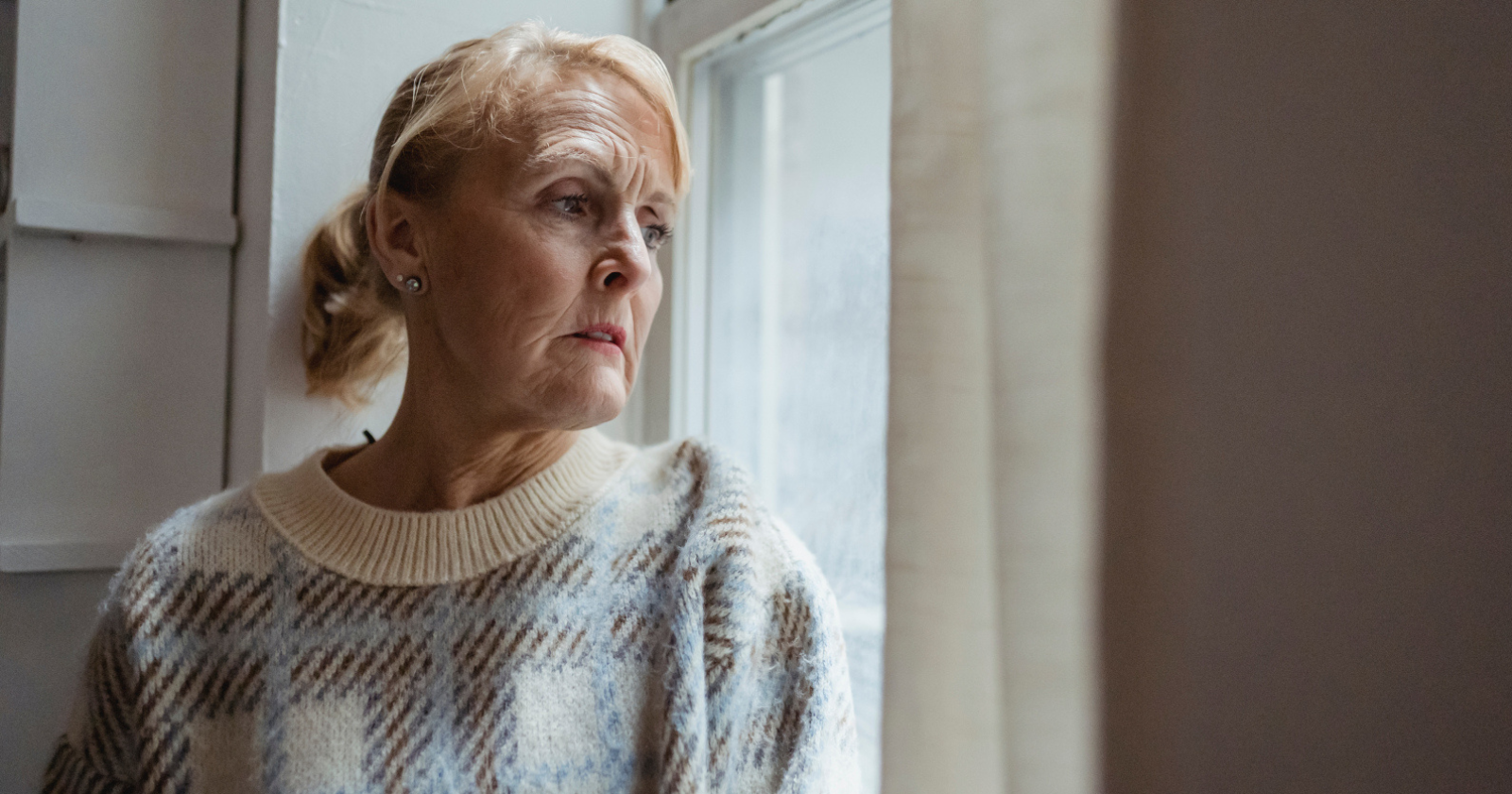
There's a toughness that belongs exclusively to Boomers who grew up in the 1960s and 70s — not the kind built in therapy but the kind built by having no one to call
#1 out of 3
health1d ago

There's a toughness that belongs exclusively to Boomers who grew up in the 1960s and 70s — not the kind built in therapy but the kind built by having no one to call

  • Latest: The article argues Boomer-era toughness came from not having constant adult guidance or mental health resources.
  • What mattered then was independence, with children figuring things out as schools offered fewer crisis counselors.
  • The piece notes a culture of silence, where problems were managed without explicit discussions of anxiety or depression.
  • The author suggests the cost of this upbringing includes emotional strain that lingers into adulthood.
  • The article argues that modern parenting and therapy culture offer vital tools for emotional development.
  • The piece concludes that the ability to endure remains part of identity for some Boomers, even if imperfect.
  • The author emphasizes that being human requires permission to seek help, which is seen as progress for new generations.
  • The article frames modern retirement as a time of transition where hard work is no longer the sole answer.
  • The piece includes reflections from Marlene Martin, a retired teacher and VegOut contributor.
Vote 0
0
#2
I'm 70. My kids left, my husband retired, and the house went quiet - and I realized I had no idea what I actually liked. I'd been performing 'fine' for 30 years.
#2 out of 3
health1d ago

I'm 70. My kids left, my husband retired, and the house went quiet - and I realized I had no idea what I actually liked. I'd been performing 'fine' for 30 years.

  • A 70-year-old woman confronts decades of self-abandonment after her husband’s passing and a quiet home.
  • She begins small acts of preference, like switching from medium to dark roast coffee.
  • The author faces loneliness as old friendships resist her evolving identity.
  • She learns to say no, even when it upsets family members.
  • New connections form as she stops performing and starts sharing her true self.
  • The piece frames self-discovery as a long, ongoing journey rather than a fixed arrival.
  • The article links personal authenticity to improved, deeper conversations with others.
  • The narrative emphasizes that finding one’s own preferences can be lonely but ultimately empowering.
  • The author frames aging as a chance to rebuild identity rather than a decline.
Vote 0
0
#3
People who went plant-based after 50 didn't make a trendy lifestyle choice — they made a decision that required dismantling decades of habits, traditions, and emotional attachments to food that were tied to their identity, their family, their culture, and their childhood, and rebuilding all of it from the ground up at an age when most people have stopped rebuilding anything
#3 out of 3
health16h ago

People who went plant-based after 50 didn't make a trendy lifestyle choice — they made a decision that required dismantling decades of habits, traditions, and emotional attachments to food that were tied to their identity, their family, their culture, and their childhood, and rebuilding all of it from the ground up at an age when most people have stopped rebuilding anything

  • A 68-year-old woman faces a medical ultimatum to change her diet, prompting a major lifestyle shift.
  • The article frames the change as dismantling decades of neural pathways and emotional ties to food, not a trend.
  • Family dynamics shift as grandchildren and relatives react to the new plant-based dishes at gatherings.
  • Health improvements accompany dietary change, with cholesterol and energy changes noted by her doctor.
  • The narrative links dietary change to broader life questions about tradition, vulnerability, and personal identity.
  • The piece emphasizes that changing late in life can unlock new freedoms, like increased stamina and broader life choices.
  • The article situates the shift as a personal journey of learning and experimentation with new ingredients.
  • The piece notes the emotional toll of leaving generations of food memory behind.
  • The article presents plant-based change as a broader life reorientation, not just a diet.
  • The piece depicts a personal, reflective journey over time, with recurring outreach to the author and other readers.
  • The article frames the dietary shift as a source of resilience rather than a loss of identity.
  • The piece identifies broader social themes, including loneliness, community, and the role of food as love.
Vote 0
0

Explore Your Interests

Unlimited Access
Personalized Feed
Full Experience
or
By continuing, you agree to the Privacy Policy.. You also agree to receive our newsletters, you can opt-out any time.

Explore Your Interests

Create an account and enjoy content that interests you with your personalized feed

Unlimited Access
Personalized Feed
Full Experience
or
By continuing, you agree to the Privacy Policy.. You also agree to receive our newsletters, you can opt-out any time.

Advertisement

Advertisement