Your Followed Topics

Top 3 world meteorological organization News Today

#1
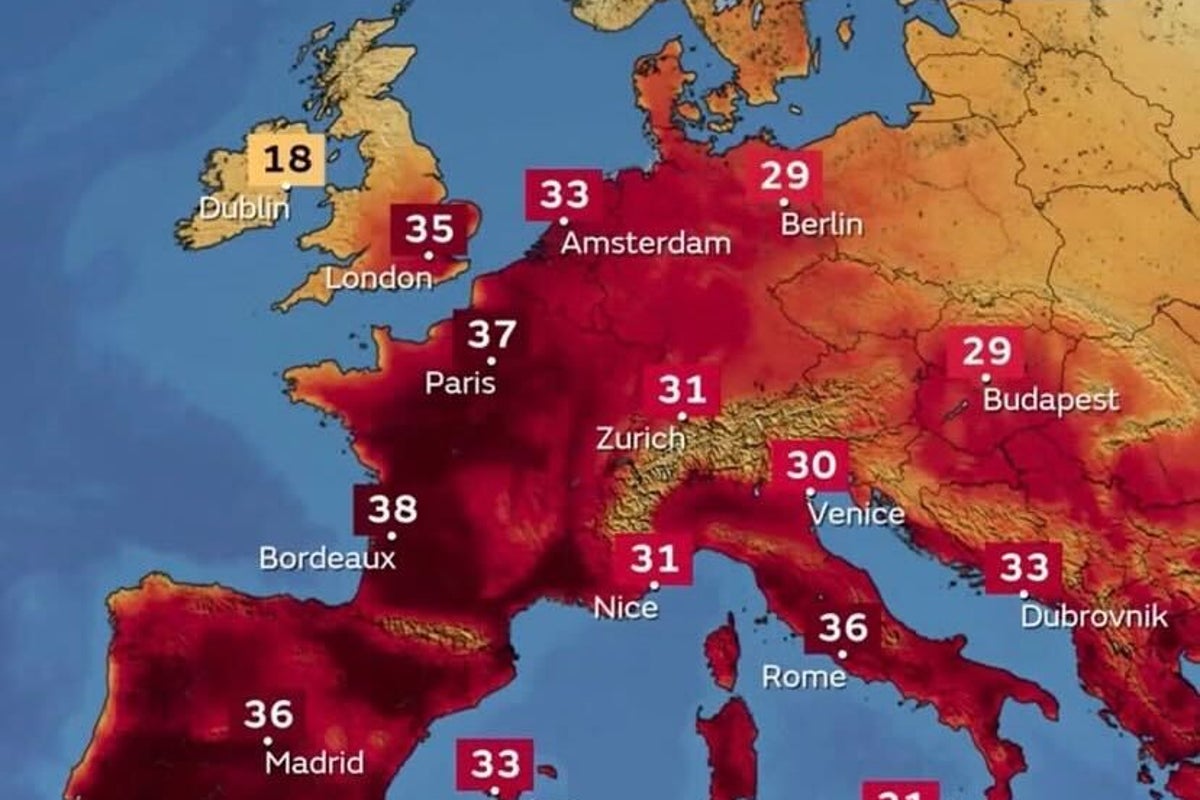
Super El Nino: If you think it’s hot now, time to brace for what is coming next
#1 out of 31.4M est. views8.16%
weather10h ago

Super El Nino: If you think it’s hot now, time to brace for what is coming next

  • A UN World Meteorological Organization report projects a 75% chance the next five years will average above 1.5°C above pre-industrial levels, signaling a continuing push toward global heat records.
  • The reference reinforces that El Niño conditions this decade are likely to raise temperatures and shift weather patterns across multiple regions.
  • Arctic warming is projected to outpace the global average by a wide margin, intensifying heat extremes in polar regions through 2030.
  • Global heat risk increases as coal, oil and gas combustion drives more extreme weather, including heat waves, floods and droughts.
  • The probability of crossing the 1.5°C threshold within the next five years remains very high, with at least one year likely to exceed it.
  • The reference notes significantly warmer Arctic winters, with five winters projected to average well above recent norms.
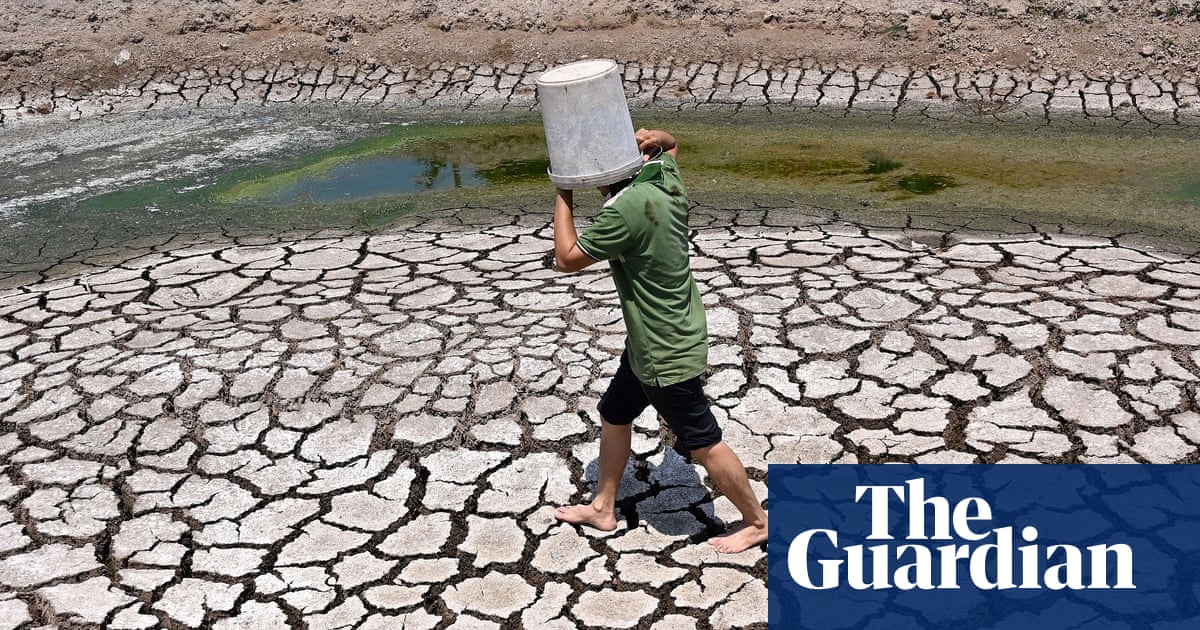
  • Amazon basin is forecast to become hotter and drier, elevating wildfire risk and challenging regional climate regulation by forests.
  • Global temperature averages are expected to stay well above pre-industrial levels, threatening ecosystems such as coral and glaciers.
  • UN climate officials warn current efforts to curb warming are not sufficient to offset rising temperatures and risks.
  • The new reference and article align on heightened wildfire risk in the Amazon and Arctic regions amid broader warming trends.
  • Historical Super El Niños are rare but have caused substantial global disruption when they occur, underscoring the potential for dramatic climate swings.
Vote 7
0
#2
Think it's hot now? The next five years will smash records, UN says
#2 out of 3
world2m ago

Think it's hot now? The next five years will smash records, UN says

  • The next five years likely exceed the 1.5°C warming threshold, with a 75% chance of surpassing it.
  • Arctic warming is projected to be about 3°C faster than the global average in the coming years.
  • El Niño is likely to strengthen and may extend into 2028, driving further heat.
  • Amazon basin is expected to become warmer and drier, increasing wildfire risk.
  • Global temperatures could push multiple years beyond 1.5°C, affecting ecosystems and people.
  • One of the next five years is expected to be the hottest on record.
  • Arctic sea ice is projected to continue shrinking in summer.
  • Amazon dryness could threaten water supplies and elevate fire risks.
  • UN climate chief stresses that global heating is outpacing efforts to curb it.
  • Experts warn even small increases have severe impacts on ecosystems and food supply.
Vote 0
0
#3
World almost certain to endure record hot year by 2030, UN warns
#3 out of 3266.67%
weather8h ago

World almost certain to endure record hot year by 2030, UN warns

https://www.theguardian.com/environment/2026/may/28/climate-impacts-spiralling-more-record-global-heat-warns-unhttps://www.euronews.com/2026/05/28/strong-el-nino-may-stretch-to-2028-as-un-warns-climate-change-to-smash-heat-records-in-nex
Theguardian.com and 1 more
  • El Niño is poised to amplify global heat, with a strong pattern likely to extend into 2028 and push multiple years above previous highs.
  • The UN projects a high risk of surpassing the 1.5°C threshold within the next five years, driven by El Niño and ongoing warming.
  • Arctic warming accelerates, with projections showing winters 2026–2030 averaging markedly warmer than the recent past.
  • Global temperatures may exceed 1.5°C with every tenth of a degree contributing to more extreme heat and disruption, according to UN projections.
  • UN climate agency projections indicate a high probability of at least one year between 2026 and 2030 exceeding 2024’s hottest year on record.
  • The upcoming period is expected to bring drought and wildfire risks, including implications for the Amazon and regional air quality.
  • Heat extremes are linked to broader climate risks, including health impacts and higher energy costs, underscoring the urgency of cutting fossil fuels.
  • The WMO and Met Office projections emphasize that climate change compounds El Niño’s effects, making heatwaves hotter, longer, and more frequent.
  • Policy action is urged to reduce fossil fuel use and accelerate clean power, as these measures are central to reducing heat-related damages.
  • The next five years are framed as a critical window where climate projections anticipate repeated records and escalating impacts, reinforcing urgency for adaptation alongside mitigation.
Vote 1
0

Explore Your Interests

Unlimited Access
Personalized Feed
Full Experience
or
By continuing, you agree to the Privacy Policy.. You also agree to receive our newsletters, you can opt-out any time.

Explore Your Interests

Create an account and enjoy content that interests you with your personalized feed

Unlimited Access
Personalized Feed
Full Experience
or
By continuing, you agree to the Privacy Policy.. You also agree to receive our newsletters, you can opt-out any time.

Advertisement

Advertisement