#1
#1 out of 1
1d ago
What’s Up: March 2026 Skywatching Tips from NASA - NASA Science
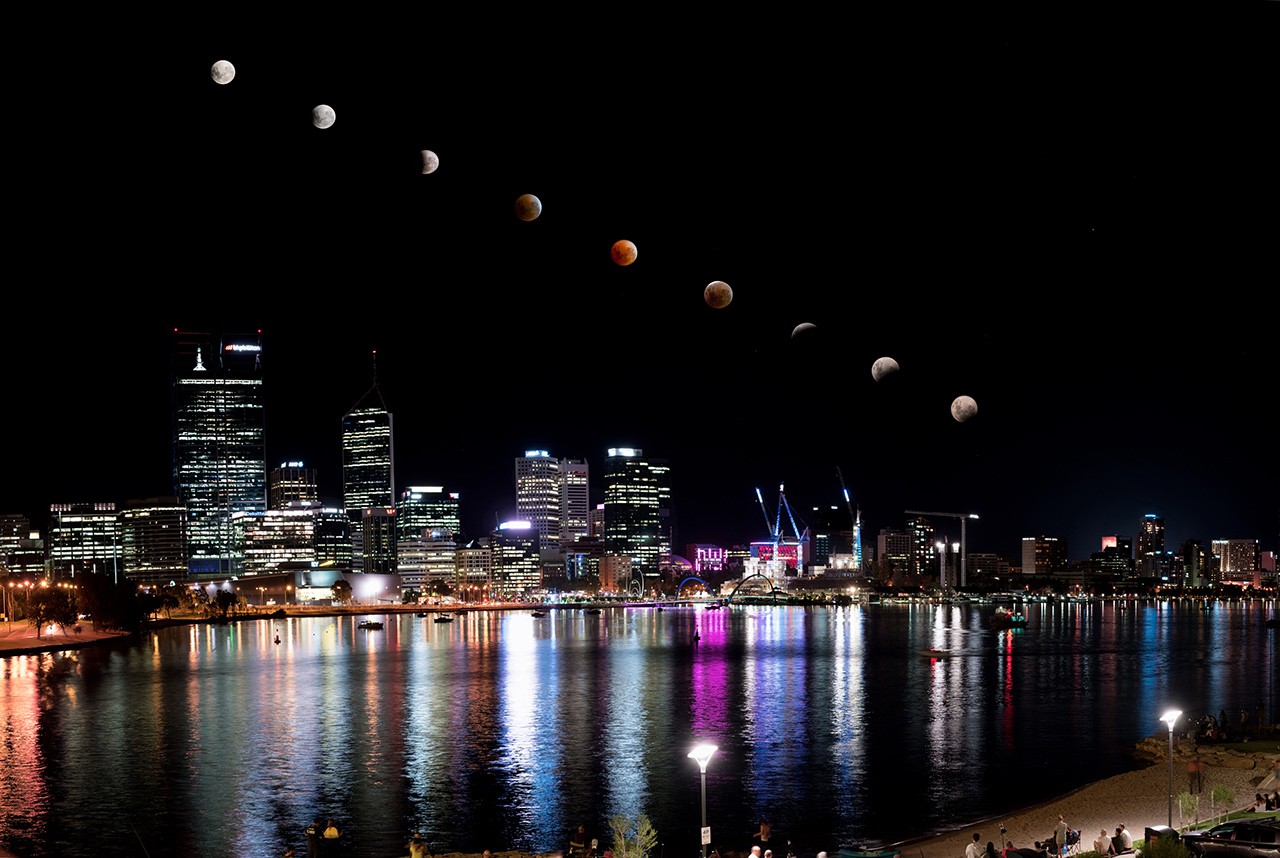
- NASA forecasts a total lunar eclipse on March 3, turning the Moon red as Earth passes between the Sun and Moon.
- Venus and Saturn will be very close in the evening sky on March 8, about one degree apart from the western horizon after sunset.
- March 20 marks the vernal equinox, with roughly equal daylight for both hemispheres as the Sun crosses the equator.
- The article notes the Moon phases for March, aiding observers in planning skywatching sessions.
- NASA emphasizes staying updated on all missions and skywatching tips via science.nasa.gov.
- The Skywatching Highlights page is authored by Chelsea Gohd from NASA's JPL.
- The report outlines how the Sun-Earth-Moon alignment causes the eclipse phenomenon.
- Conjunctions do not imply closeness in space; Venus and Saturn are nearly a billion miles apart.
- The March skywatch guide encourages observers to look near the western horizon after sunset for the Venus-Saturn pairing.
- March 3 lunar eclipse details and March 8 conjunction are highlighted as key events to watch this month.
- The piece underscores the scientific context behind skywatching events from NASA.
Vote 0