Your Followed Topics

Top 2 university of exeter News Today

#1
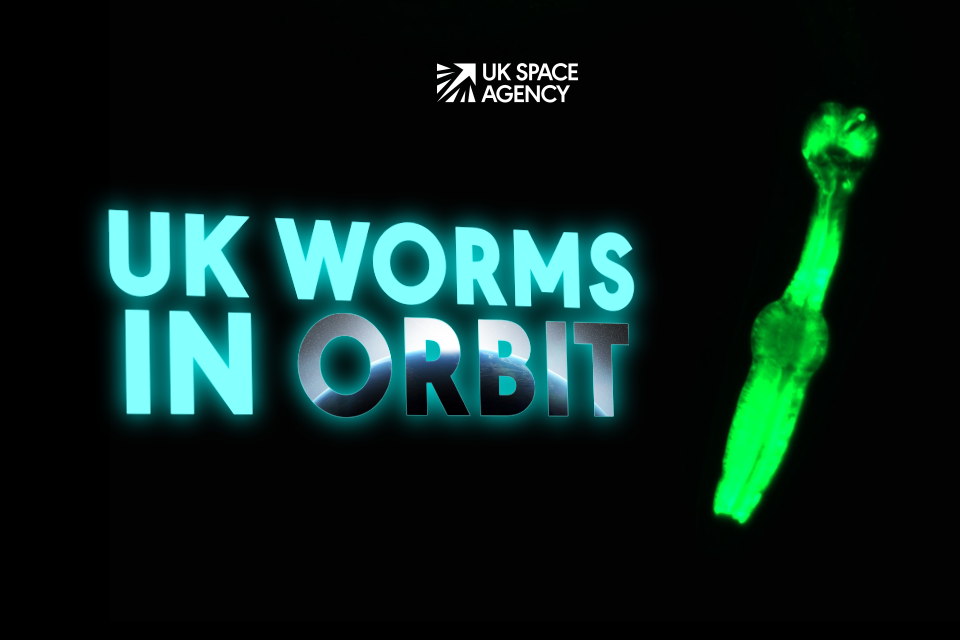
Space Worms! UK scientists launch microscopic crew into orbit to support future Moon missions
#1 out of 2
science11h ago

Space Worms! UK scientists launch microscopic crew into orbit to support future Moon missions

  • UK researchers launched a microscopic worm experiment to the ISS to study biology in space and support Moon missions.
  • The project, named FDSPP, is led by the University of Exeter and built by the University of Leicester with UK Space Agency funding.
  • The Petri Pod carries 12 chambers for experiments and will be imaged to monitor worm health using fluorescence and white light.
  • Researchers will remote-monitor the worms during up to 15 weeks of exposure to space conditions.
  • The mission aims to reveal how biology adapts in deep space to improve astronaut health on future expeditions.
  • Space Minister Liz Lloyd highlighted the potential of tiny worms to contribute to human spaceflight safety.
  • The initiative is part of broader UK efforts to drive innovation and keep the UK at the forefront of space technology.
Vote 0

0
#2
Space Worms! Scientists launch microscopic crew into orbit to support future Moon missions
#2 out of 2
science9h ago

Space Worms! Scientists launch microscopic crew into orbit to support future Moon missions

  • UK science team launches microscopic worms to the ISS to study how life adapts to space conditions.
  • The Petri Pod lab will monitor worm health via fluorescence and white-light imaging in dozens of chambers.
  • The mission will occur on the ISS, with deployment outside the station to test exposure to space conditions.
  • Researchers aim to identify biological mechanisms that could protect astronauts on long missions.
  • Leicester and Exeter lead the project, with funding from the UK Space Agency and support from Voyager Space Technologies.
  • The mission supports Artemis-era planning for long journeys to the Moon and beyond.
  • The experiment includes a compact system capable of data transfer to Earth for analysis.
  • The worm study uses C. elegans, a common model organism in space biology.
  • Exeter Medical School expert Tim Etheridge emphasizes Artemis’ role in safe Moon exploration.
  • The UK collaboration includes Space Agency funding and Leicester's hardware design.
Vote 0
0

Explore Your Interests

Unlimited Access
Personalized Feed
Full Experience
or
By continuing, you agree to the Privacy Policy.. You also agree to receive our newsletters, you can opt-out any time.

Explore Your Interests

Create an account and enjoy content that interests you with your personalized feed

Unlimited Access
Personalized Feed
Full Experience
or
By continuing, you agree to the Privacy Policy.. You also agree to receive our newsletters, you can opt-out any time.

Advertisement

Advertisement