
Your Followed Topics

Top 4 university of cambridge News Today

#1
Failure is the foundation of science
#1 out of 4
health1d ago

Failure is the foundation of science

  • A PhD student argues that failure and feeling stupid are normal parts of conducting new research.
  • The article argues real research is messier than the textbook path and often lacks single, clean results.
  • Universities should train staff and students to address imposter syndrome and normalise failure.
  • The piece links research culture to mental health risks, noting higher depression and anxiety among graduate students.
  • The author calls for systemic changes, including better supervisor training and supportive feedback.
  • The article urges an end to the 'publish or perish' mindset in journals and conferences.
  • Personal anecdote shows a sibling’s PhD journey and a clever take on failure.
  • The piece emphasizes institutional responsibility, including support for mental health and better resource allocation.
  • The article ends with a message of persistence in research as a defining trait.
  • Varsity, Cambridge's independent student newspaper, anchors the piece with a call for reader support.
Vote 0
0
#2
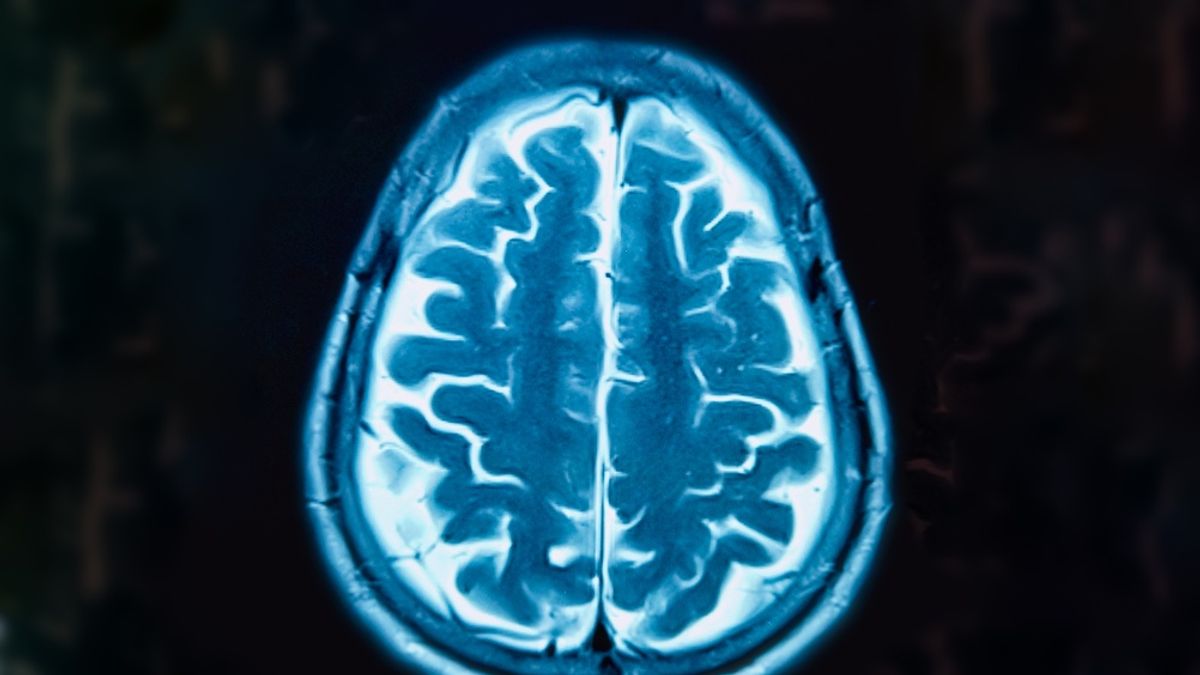
Lab-Grown Brains Could One Day Help Reawaken Nerve Regeneration
#2 out of 420.2K est. views
health13h ago

Lab-Grown Brains Could One Day Help Reawaken Nerve Regeneration

  • Cambridge researchers show lab-grown brain–spinal cord models can regrow axons for over a year, hinting at reversible regenerative limits.
  • Blocking a network of genes restored some axon regrowth, suggesting targets for promoting regeneration in human neurons.
  • Lynestrenol, an approved contraceptive, boosted axon regrowth in the lab models, offering a possible therapeutic lead.
  • Researchers emphasize the need to show this approach improves meaningful connections between brain and spinal cord before clinical use.
  • The study builds on prior work with lab-grown 'mini-brains' to study human nerve regeneration in a controlled setting.
  • The study appeared in Cell Reports and examined human corticospinal organoid models that connect brain and spinal cord components.
  • Researchers linked gene networks to regenerative capacity and identified factors limiting axon growth as neurons mature.
  • The work used organoid models to bridge differences between animal and human neuron behavior.
  • The article notes the research is for informational purposes only and not medical advice.
  • The team observed gene networks governing neuron–cell connections that, when targeted, influenced regeneration.
Vote 0
0
#3
Youth crime 'contagious', say Cambridge University researchers
#3 out of 4
crime9h ago

Youth crime 'contagious', say Cambridge University researchers

  • New Cambridge study links youth violence to social networks, showing violence may be contagious.
  • Analysis covered over 200,000 crimes and about 6,000 youths aged 10 to 18.
  • 42% of youth suspects were recorded with at least one co-offender in a crime event.
  • Top 5% most connected youths were nearly five times more likely to carry a knife.
  • Researchers say co-offender networks could help identify those at greatest risk.
  • Intervening early in embedded criminal networks may prevent future life loss.
  • Study was conducted with collaboration from the University of Exeter.
  • Research emphasizes youth violence is deeply social, driven by relationships.
  • Researchers call for identifying and engaging at-risk youths to prevent serious crime.
  • The Cambridge University study adds context to how social dynamics influence crime.
Vote 0
0
#4
The First AI-Designed Vaccine Was Just Tested on Humans. It Could Change How We Fight Pandemics
#4 out of 4100.00%
health3h ago

The First AI-Designed Vaccine Was Just Tested on Humans. It Could Change How We Fight Pandemics

  • A Cambridge-led team tested an AI-designed DNA vaccine in 39 healthy adults, finding it safe and well tolerated.
  • The vaccine targets conserved sarbecovirus features to try to elicit cross-reactive immune responses.
  • Results show modest antibody responses with some recognition of conserved regions, but no robust neutralizing activity yet.
  • The vaccine uses non-replicating plasmid DNA and is designed to be needle-free, aiding logistics and storage.
  • Researchers describe the approach as moving vaccine development from reactive to future-proof planning.
  • A larger Phase 2 trial with about 200 people is planned to evaluate immune responses more broadly.
  • The study was conducted amid Omicron waves, complicating separation of the vaccine’s effect from prior infection.
  • The research is part of a broader push for universal vaccines against virus families like sarbecoviruses and influenza.
  • Experts emphasize the need for ongoing trials to determine protective efficacy beyond safety.
Vote 0
0

Explore Your Interests

Unlimited Access
Personalized Feed
Full Experience
or
By continuing, you agree to the Privacy Policy.. You also agree to receive our newsletters, you can opt-out any time.

Explore Your Interests

Create an account and enjoy content that interests you with your personalized feed

Unlimited Access
Personalized Feed
Full Experience
or
By continuing, you agree to the Privacy Policy.. You also agree to receive our newsletters, you can opt-out any time.

Advertisement

Advertisement