Your Followed Topics

Top 2 tim cain News Today

#1
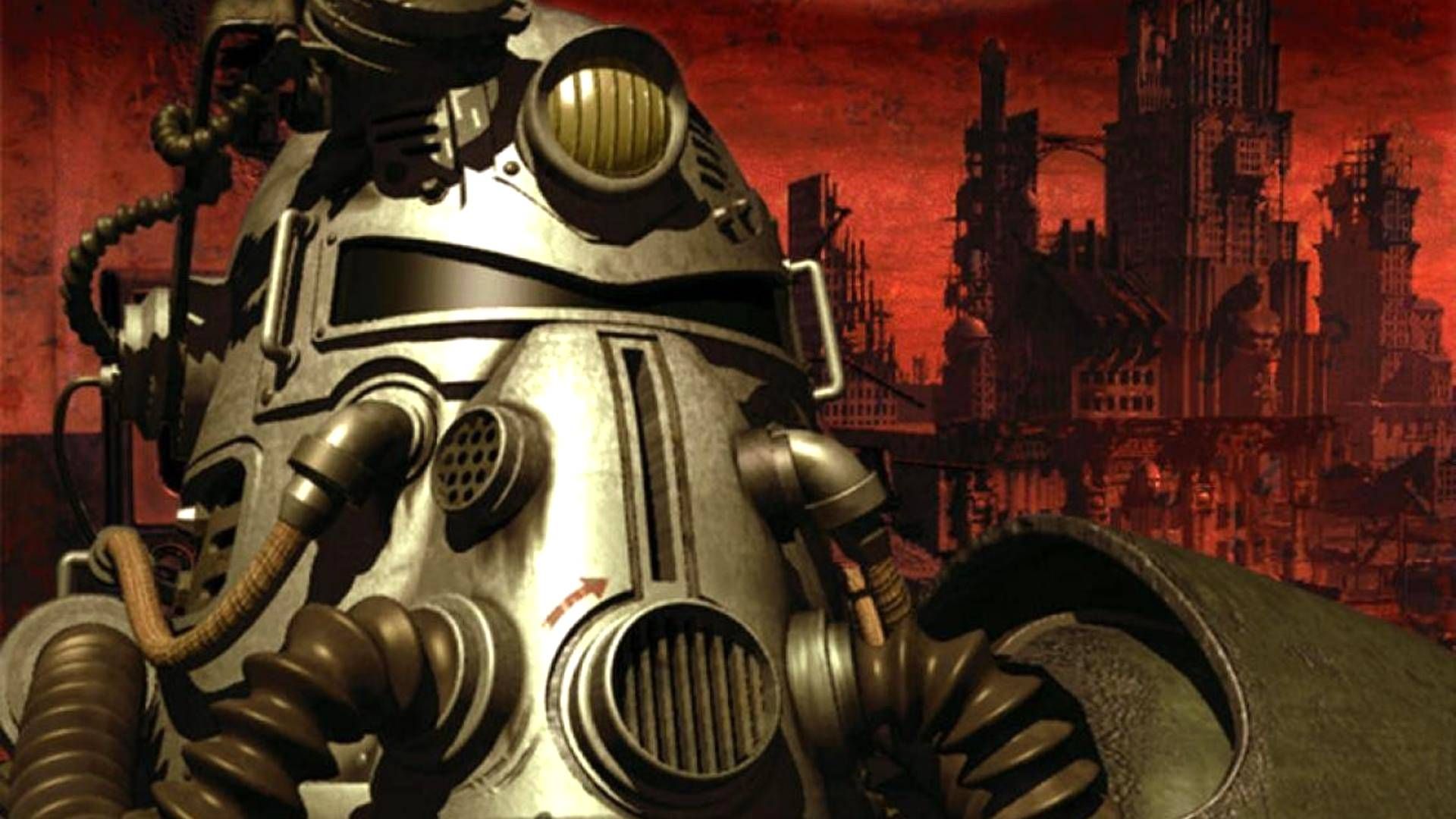
Fallout co-creator Tim Cain says good level designers shouldn't "assume anything the player is going to do in a particular order"
#1 out of 2

Fallout co-creator Tim Cain says good level designers shouldn't "assume anything the player is going to do in a particular order"

  • Tim Cain says level designers must not assume the order of player actions in non-linear games.
  • Cain suggests design tools like gates to control progression without forcing actions.
  • Cain views nonlinearity as an acquired skill, praising flexible, open-world design like Zelda: Breath of the Wild.
  • Cain mentions the balance between realism and fun, citing how expansive open worlds can constrain gameplay if not designed well.
  • The article ties Cain’s views to broader GamingRadar+ coverage on nonlinearity and AI content.
  • Cain warns against restrictive mission design that forces players along a single path.
  • The piece cites Fallout 1 and 2 as examples of successful non-linear design.
  • Cain notes that nonlinearity helps create more expansive, player-driven experiences.
  • The article features Cain’s broader commentary on AI and future game design trends.
Vote 0
0
#2
Fallout’s creator is optimistic about the future of generative AI in the games industry — but I’m not so sure
#2 out of 2

Fallout’s creator is optimistic about the future of generative AI in the games industry — but I’m not so sure

  • Cain envisions a future where generative AI lets players modify films and TV as they watch, giving them more control over content.
  • Cain argues that consumer-made mods via AI could be possible, with licensing needed if sold rather than kept for personal use.
  • The article notes Cain’s optimism about AI improving creativity while acknowledging regulatory and royalty concerns.
  • Cain’s take includes potential use of AI for creating user-generated game content, with caveats about data, licensing and ethics.
  • The piece highlights broader AI concerns, including environmental impact and copyright issues surrounding large data centers.
  • The article mentions industry players like Capcom and Remedy pursuing AI tools for productivity and content, signaling shifts in development workflows.
  • Cain’s outlook includes potential AI-assisted content creation that could speed up development but requires transparency from publishers.
  • The piece concludes by noting reader reactions and broader questions about AI’s impact on art and entertainment.
  • Overall, Cain’s stance blends optimism about AI’s creative potential with caution about regulation, compensation, and practical limits.
  • The article frames Cain’s views as part of a broader discussion on AI’s role in gaming and media creation.
Vote 0
0

Explore Your Interests

Unlimited Access
Personalized Feed
Full Experience
or
By continuing, you agree to the Privacy Policy.. You also agree to receive our newsletters, you can opt-out any time.

Explore Your Interests

Create an account and enjoy content that interests you with your personalized feed

Unlimited Access
Personalized Feed
Full Experience
or
By continuing, you agree to the Privacy Policy.. You also agree to receive our newsletters, you can opt-out any time.

Advertisement

Advertisement