Your Followed Topics

Top 2 the lancet News Today

#1
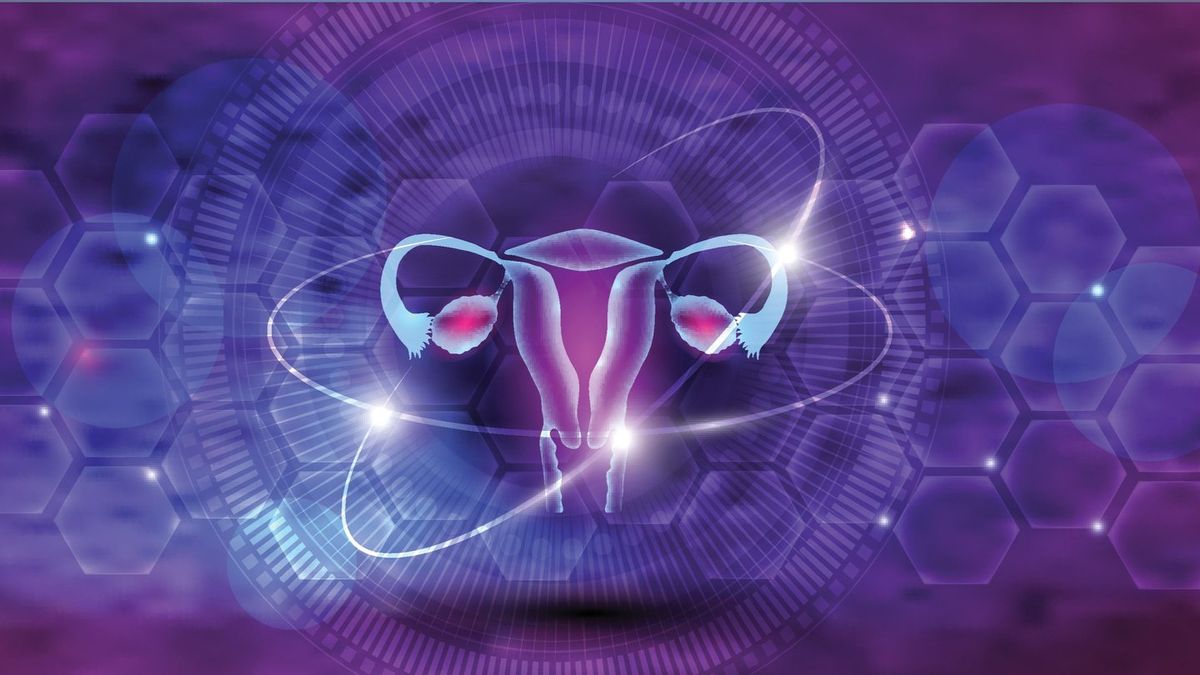
Women with devastating health condition are finally getting validation after being dismissed or misunderstood
#1 out of 271.9K est. views0.00%
health4h ago

Women with devastating health condition are finally getting validation after being dismissed or misunderstood

  • PMOS replaces PCOS after a 14-year research project to better reflect the condition’s full metabolic, hormonal, and reproductive impact.
  • PMOS aims to correct the idea that the condition is only a gynecological or ovarian disorder.
  • Experts say renaming supports awareness, diagnosis, and care pathways and can improve health outcomes globally.
  • Experts say many patients with PMOS have benefited from better validation and fewer dismissals.
  • Renaming is part of a broader effort to improve fertility care and life quality for PMOS patients.
  • PMOS acknowledges that many with the condition may not have ovarian cysts, clarifying symptoms and diagnosis.
  • The Lancet published a global consensus supporting the PMOS rollout across systems and guidelines.
  • Voice from Care Fertility emphasizes PMOS captures the condition’s total body impact beyond fertility.
  • The renaming is described as a ‘welcome step forward’ for patients and clinicians.
  • PMOS rollout is expanding through health systems, research institutions, and ICD coding updates.
  • Increased awareness and clearer language may improve mental health and long-term wellbeing for PMOS patients.
Vote 1

0
#2
AI is fabricating citations in biomedical studies, researchers find
#2 out of 2
health18h ago

AI is fabricating citations in biomedical studies, researchers find

  • AI is fabricating references in biomedical literature, a CBS News report warns after a Lancet audit found over 4,000 bogus citations.
  • The bogus citations appeared in nearly 3,000 academic papers, threatening clinical guidelines that depend on accurate references.
  • Experts say many errors were not corrected or retracted, keeping fake references in circulation.
  • AI tools may insert questionable citations when asked for a fact, sometimes even fabricating them entirely.
  • Some AI-generated references imitate real authors, adding to the confusion and potential misattribution.
  • The CBS report stresses the need for rigorous fact-checking as AI becomes more common in research work.
  • Topaz cautions that fake citations can slip into guidelines that guide patient care.
  • The audit suggests the problem may reflect a broader risk to research integrity across fields beyond medicine.
  • Researchers believe AI hallucinations in citations warrant stronger editorial safeguards and verification.
  • The CBS piece emphasizes that AI must be rigorously fact-checked before use in scientific writing.
Vote 0
0

Explore Your Interests

Unlimited Access
Personalized Feed
Full Experience
or
By continuing, you agree to the Privacy Policy.. You also agree to receive our newsletters, you can opt-out any time.

Explore Your Interests

Create an account and enjoy content that interests you with your personalized feed

Unlimited Access
Personalized Feed
Full Experience
or
By continuing, you agree to the Privacy Policy.. You also agree to receive our newsletters, you can opt-out any time.

Advertisement

Advertisement