#1
#1 out of 399.53%
crime1h ago
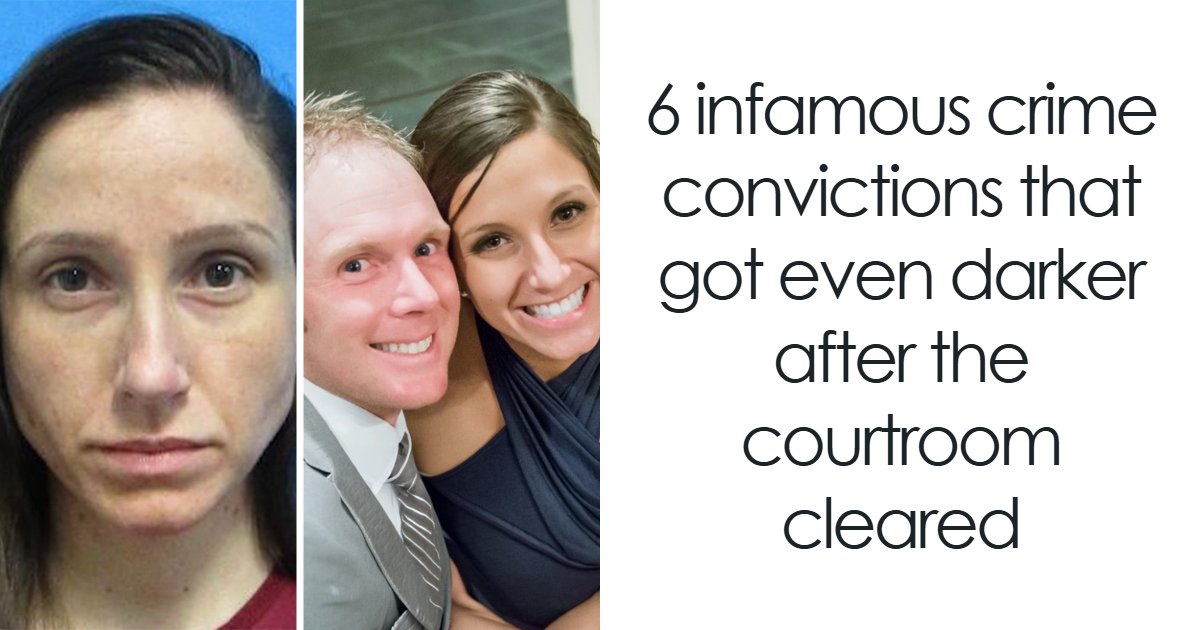
6 Infamous Crime Convictions That Got Even Darker After The Courtroom Cleared
- Chris Watts's case saw new evidence and prison letters surface after sentencing, shifting blame away from him.
- Oscar Pistorius's conviction was upgraded to murder after appeal, with hundreds of WhatsApp exchanges revealing relationship troubles.
- Nicole Blain was found guilty of murder in 2026, and sentencing followed with survivor impacts acknowledged.
- The article notes ongoing post-conviction revelations in each case, including public reaction and media interest.
- The coverage emphasizes how new disclosures can reshape the narrative around high-profile crimes.
- The report includes cases from multiple jurisdictions, illustrating diverse post-conviction dynamics.
- Public figures involved in the cases faced intensified scrutiny as new facts emerged.
- The piece notes the role of media and social platforms in shaping post-conviction discourse.
- The article highlights post-conviction revelations across cases, including legal and emotional consequences for families.
- Overall, the report argues that court verdicts are not always the final word in criminal cases.
Vote 0