#1
#1 out of 3414.6K est. views41.39%
world11h ago
The fear behind the fanfare: Putin’s paranoia amid Victory Day celebrations
Independent.co.uk and 16 more
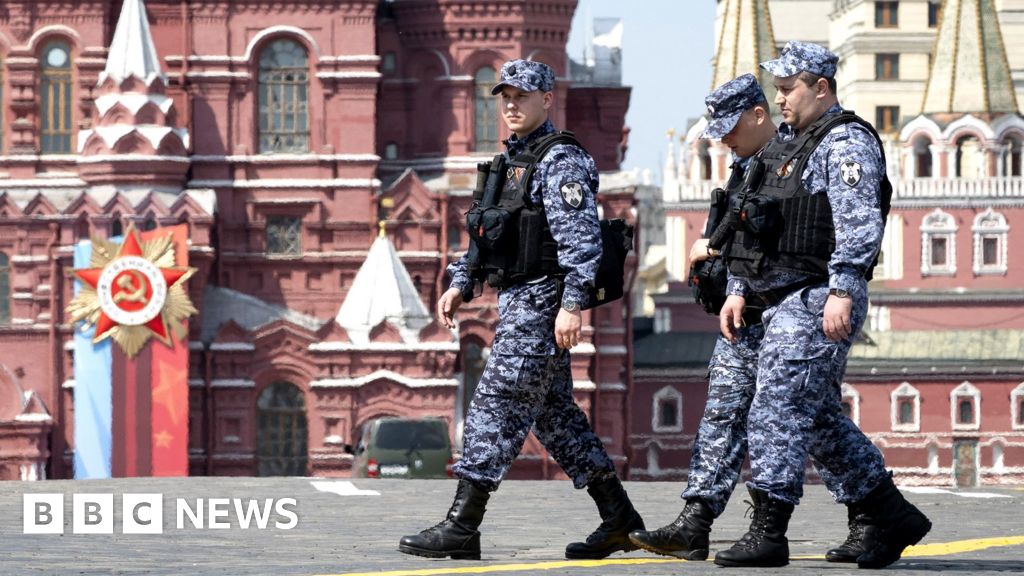
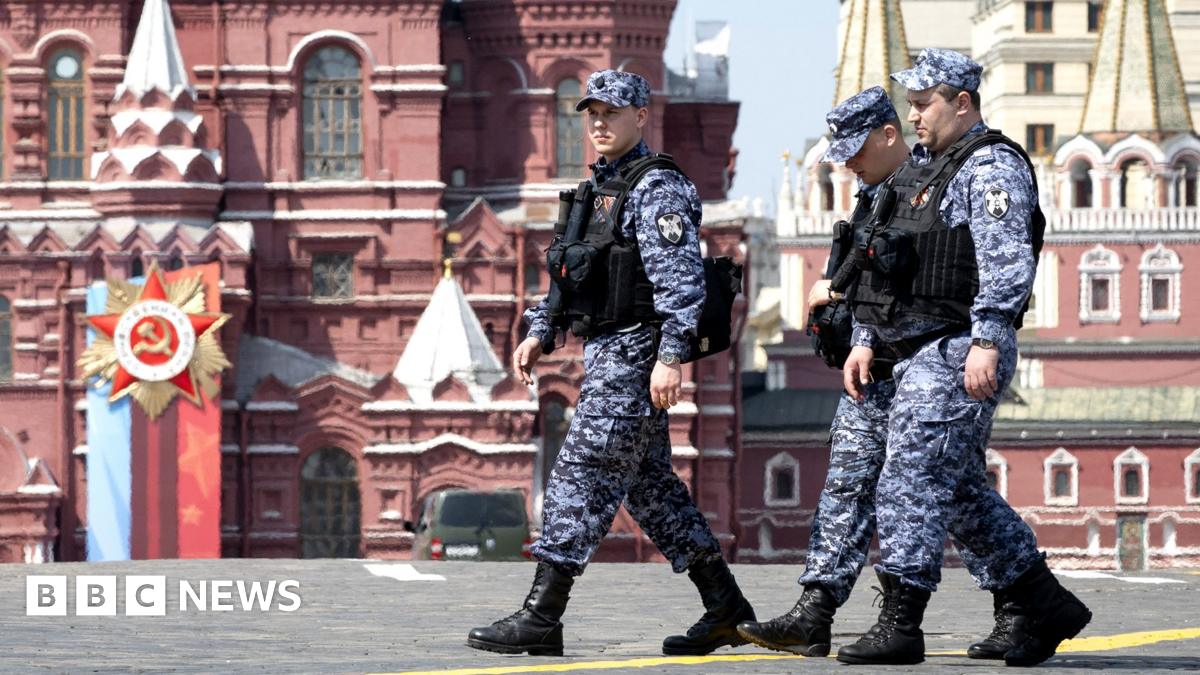
- The 2026 Victory Day parade in Moscow appeared muted and constrained, reflecting Russia's battle fatigue and domestic pressures a broader reference to security concerns and economic strain.
- Observers note Ukraine-era strategic constraints and Western pressure contribute to a pared-down display, with emphasis on messaging over weaponry.
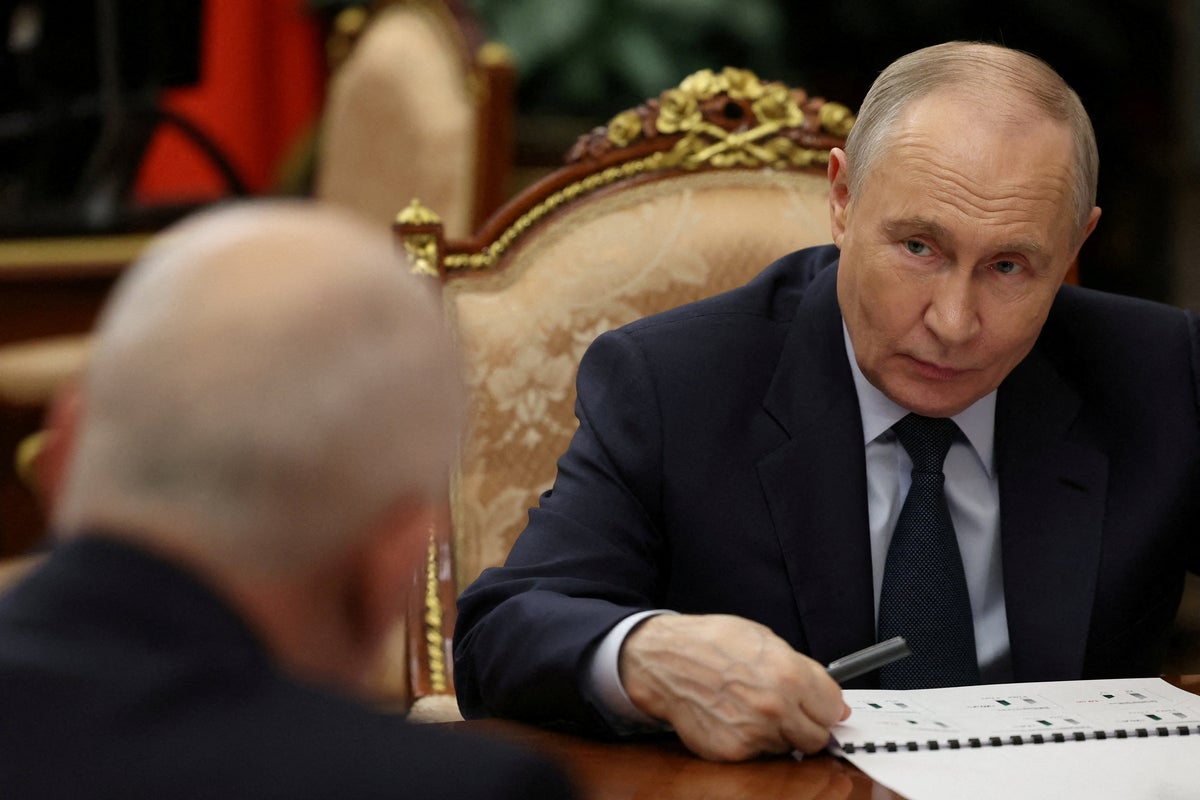
- Putin delivered a defiant speech while appearing fatigued, signaling a potential shift in posture yet underscoring the regime’s reliance on Victory Day symbolism.
- The event laid bare Russia's international isolation, with only a handful of foreign leaders in attendance and notable absences highlighting diplomatic strains.
- The parade featured limited international engagement, with leaders like Lukashenko present but others snubbed or detained, underscoring political signaling over spectacle.
- The description of ‘cringe’ moments—such as cardboard regalia and surreal props—frames the day as a public relations setback more than a military show of force.
- Zelensky’s counter-move to permit the parade and share precise coordinates for the exempted area added a meta-political layer to the event.
- Vladimir Putin’s posture and remarks amid security concerns fed a narrative of a wary leadership facing external threats and internal fatigue.
- The piece highlights how Victory Day has shifted from a victory cult to a liability for the Kremlin as it struggles to translate historic narratives into contemporary legitimacy.
- Crucially, the coverage notes that the “Immortal Regiment” and other civilian displays were used to normalize the war narrative, including disturbing mischaracterizations.
- Overall, the 2026 Victory Day spectacle serves as a barometer for Russia’s domestic resilience, military posture, and international isolation amid the Ukraine conflict.
Vote 42