Your Followed Topics

Top 2 pnas News Today

#1
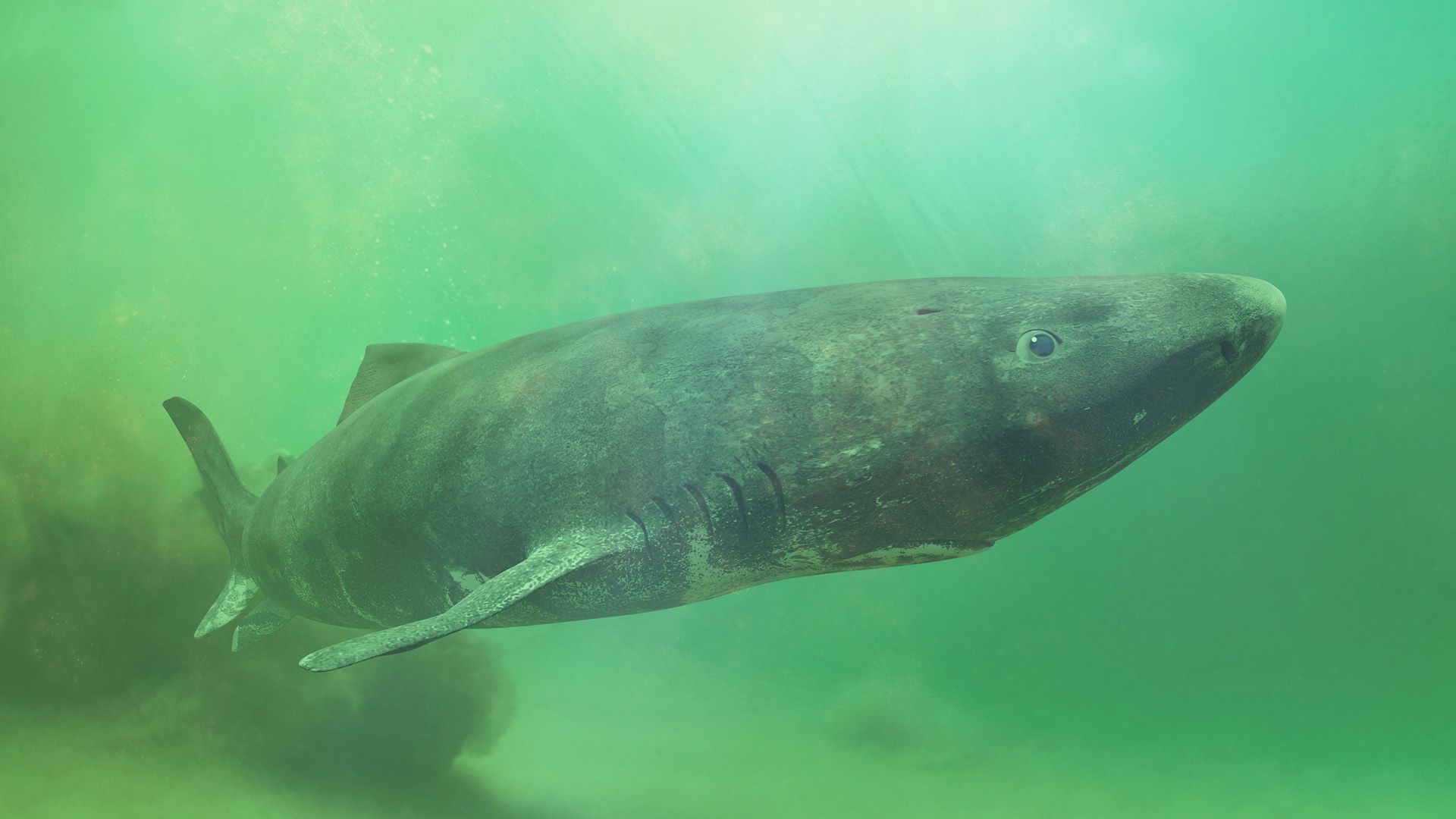
First whole-genome sequence of a Greenland shark holds clues to their extreme longevity
#1 out of 2
health1d ago

First whole-genome sequence of a Greenland shark holds clues to their extreme longevity

  • Scientists completed the first near-complete genome sequence of the Greenland shark, uncovering clues to its longevity and cancer resistance.
  • The genome covers about 96.7% of the shark's DNA, enabling insights into longevity-related biology.
  • Amino acid changes in linker histone proteins may stabilize DNA structure and reduce damage over time.
  • Expanded immune and DNA repair gene families suggest multiple systems support longevity and cancer resistance.
  • Ferritin genes, involved in iron storage, are expanded, hinting at better iron regulation and reduced oxidative stress.
  • Researchers say longevity likely results from coordinated changes across genome stability, iron metabolism, immunity, and stress resistance.
  • The findings may inform human aging research, though more functional studies are needed to test ideas directly.
  • The Greenland shark inhabits deep North Atlantic waters and is estimated to live up to about 400 years.
  • The work was published May 19 in the Proceedings of the National Academy of Sciences (PNAS).
  • The study was led by Shigeharu Kinoshita and colleagues from the University of Tokyo.
Vote 0
0
#2
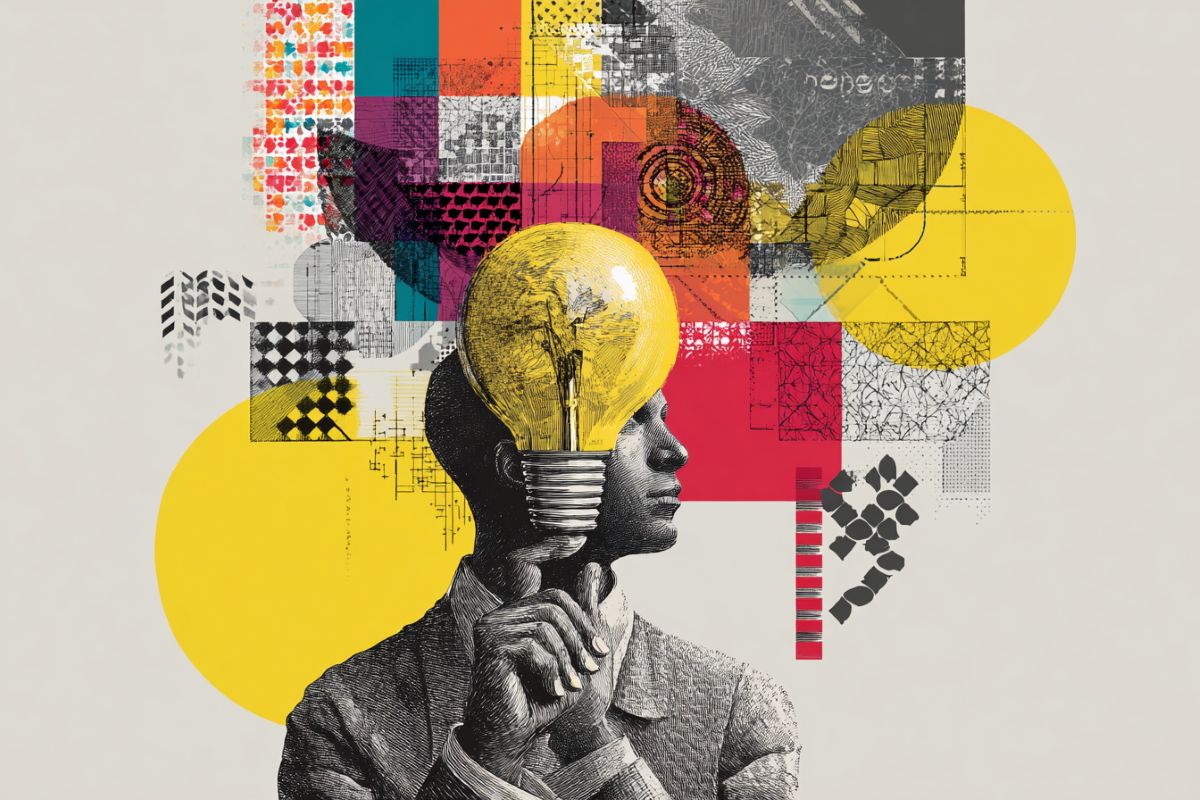
Semantic Knowledge Is Key to Human Innovation - Neuroscience News
#2 out of 2
5h ago

Semantic Knowledge Is Key to Human Innovation - Neuroscience News

  • A large-scale study finds semantic knowledge is essential for meaningful invention and cultural progress.
  • researchers combined computer modeling with a 1,243-person behavioral experiment to test the concept.
  • Participants with semantic knowledge produced more functional item combinations than those without.
  • Without semantic knowledge, human performance matched random bot levels, even with social learning access.
  • Semantic knowledge and social learning together roughly double the number of unique innovations.
  • The findings suggest a dynamic conceptual toolbox is transmitted across generations.
  • Future work will explore how dense semantic wiring can hinder breakthroughs in some real-world settings.
  • Funding for the study came from the ERC and Knut and Alice Wallenberg Foundation.
  • The research used both a computer model and a human behavioral experiment with 1,243 participants.
  • The study highlights semantic knowledge as a cognitive engine behind human creativity and cultural evolution.
Vote 0
0

Explore Your Interests

Unlimited Access
Personalized Feed
Full Experience
or
By continuing, you agree to the Privacy Policy.. You also agree to receive our newsletters, you can opt-out any time.

Explore Your Interests

Create an account and enjoy content that interests you with your personalized feed

Unlimited Access
Personalized Feed
Full Experience
or
By continuing, you agree to the Privacy Policy.. You also agree to receive our newsletters, you can opt-out any time.

Advertisement

Advertisement