#1
#1 out of 1
17h ago
Carbon removal project supports Maine’s blue economy, broader marine health
- MIT and Maine researchers unveil an electrochemical method to remove CO2 from seawater, aiming to protect oyster hatcheries and coastal economies.
- The method uses reactive electrodes to release protons, acidifying water to release CO2, then regenerates alkaline conditions for return to sea.
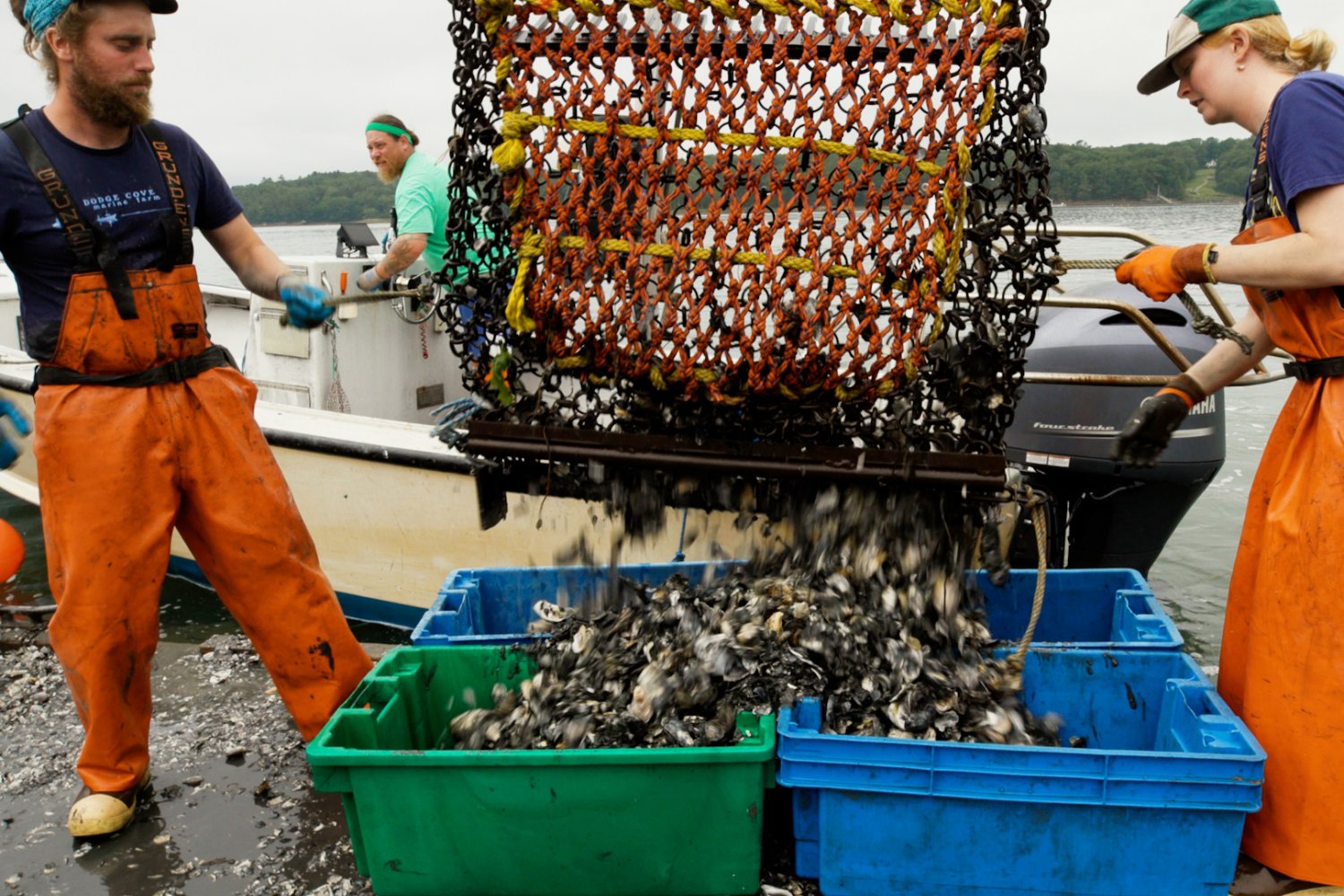
- Maine's Damariscotta River Estuary supplies about 70 percent of the state's oyster crop, highlighting local impact.
- The project aims to scale the technology for aquaculture and support coastal jobs and resilience.
- Project collaborators include MIT researchers, University of Maine scientists, and industry partners like Mook Sea Farm.
- The approach produces no waste; ocean water goes in and CO2 comes out, with potential uses for the captured gas.
- The research builds on MIT and University of Maine collaboration to advance marine carbon removal.
- Experts say alkaline water helps shellfish form and maintain their shells, aiding hatchery success.
- MIT researchers estimate shellfish aquaculture is globally valued at about $60 billion, underscoring economic stakes.
- The research team plans to publish a design tool to compare carbon removal methods for ocean use.
Vote 0