Your Followed Topics

Top 18 mental health News Today

#1
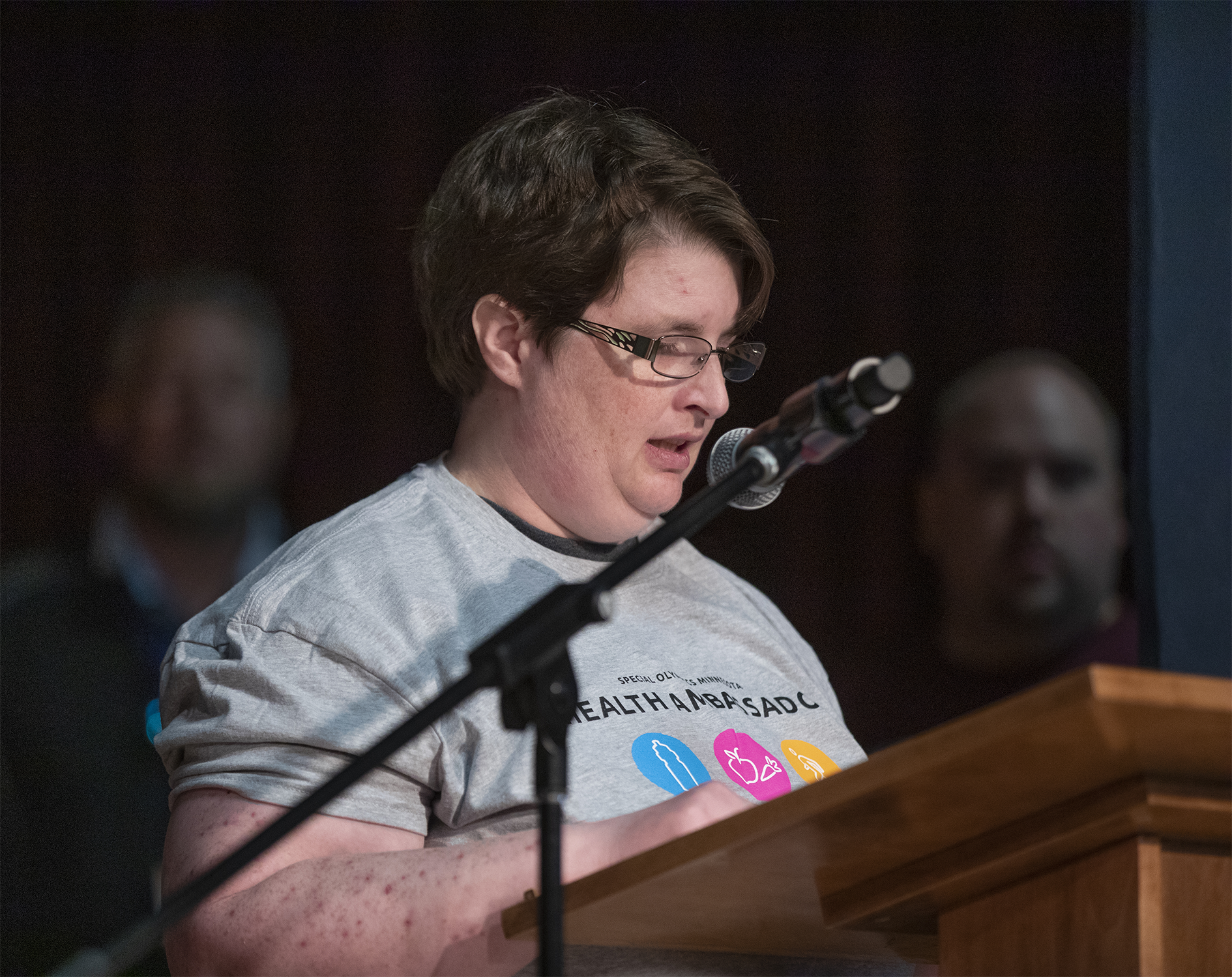
Anxiety and anger: New report explores mental health struggles of boys and young men
#1 out of 189.10%
health16h ago

Anxiety and anger: New report explores mental health struggles of boys and young men

https://abc3340.com/news/nation-world/anxiety-and-anger-new-report-explores-mental-health-struggles-of-boys-and-young-menhttps://komonews.com/news/nation-world/anxiety-and-anger-new-report-explores-mental-health-struggles-of-boys-and-young-menhttps://foxbaltimore.com/news/nation-world/anxiety-and-anger-new-report-explores-mental-health-struggles-of-boys-and-young-men
Abc3340.com and 2 more
  • A new national report links masculine norms to anxiety, depression, and anger in boys and young men, highlighting gaps in resources and recognition of their struggles.
  • Experts note boys are taught to be stoic and self-reliant from a young age, shaping how they manage emotions and sometimes leading to explosive outcomes.
  • Personal recovery stories show therapy and peer groups helping students manage panic and isolation, with groups like 'Guy Talk' offering safe spaces to share challenges.
  • The report calls for strong male mentorship and empathic listening from caregivers to support boys and young men.
  • The findings reflect a multistep process—including research review, digital discussions, and a two-day New York convening with experts and young men.
  • Distress in boys can translate into risky behaviors such as reckless driving, substance use, unsafe sexual behavior, or compulsive trading and betting.
  • The article notes gaps in mental health resources for boys, contributing to under-recognition of their needs.
  • Caregivers are urged to practice active, empathic listening, since many youths seek parental help but fear being fixed or punished.
  • A public webinar for caring adults is planned to help recognize signs of distress and strengthen connections with boys and young men.
  • The report emphasizes the broader role of mentorship and community in safeguarding mental health for young males.
Vote 2
0
#2
11 Signs You're the Problem in Your Friendships
#2 out of 18
health33m ago

11 Signs You're the Problem in Your Friendships

  • Latest: TIME outlines 11 signs you might be harming your friendships and how to change.
  • One sign: you only show up when you need something, turning you into a backup generator.
  • Another sign: you never initiate, and the burden of keeping the friendship alive falls on others.
  • The piece notes you may make conversations self-centered, exhausting friends over time.
  • Chronic flakiness can erode friendship priority and invite fewer invitations in return.
  • Experts warn against treating friends as on-call therapists, risking overwhelm.
  • The article urges celebrating others' wins rather than feeling jealousy or competition.
  • Ghosting is discouraged; the piece advocates honest conversations for closure.
  • Receiving feedback is framed as a moment to understand, not a personal attack.
  • The piece cautions against gossip, noting trust erodes when conversations target others.
  • It concludes by encouraging authenticity and vulnerability to deepen bonds.
Vote 0
0
#3
Guilty break culture is reshaping daily life - Food and Drink Technology
#3 out of 18
health18h ago

Guilty break culture is reshaping daily life - Food and Drink Technology

  • New research shows a growing 'guilty break' culture where Brits feel guilty pausing during the day.
  • Nearly half of respondents say they feel guilty pausing, signaling a broader social shift.
  • More than half feel pressure to stay always on, suggesting cultural rather than personal issues.
  • Breaks often fail to restore energy as most people doomscroll or text during downtime.
  • Regional differences show Londoners feel the most pressure to stay on, while some in Northern Ireland cannot take breaks.
  • Experts warn that sustained lack of rest erodes social bonds and resilience.
  • Pladis partners with psychologist Dr Ellie Buckley to promote guilt-free breaks.
  • The report links rest gaps to reduced opportunities for meaningful connections.
  • The culture shift could widen social isolation despite being surrounded by others.
Vote 0
0
#4
From 'Beta Mums' To 'Underparenting' – 2026 Is The Year Of Anti-Helicopter Parenting
#4 out of 18
health1h ago

From 'Beta Mums' To 'Underparenting' – 2026 Is The Year Of Anti-Helicopter Parenting

  • UK parents are adopting new terms like 'underparenting' and 'Beta mums' as alternatives to helicopter parenting in 2026.
  • Underparenting is described as giving children space to explore and solve problems with supportive structure.
  • Beta mums are presented as the opposite of Alpha mums, favoring a laid-back approach to child-rearing.
  • Experts note parental burnout is common, with a survey cited showing 81% of UK mothers affected.
  • Helicopter parenting may improve safety tracking but can hinder long-term resilience in children.
  • Research links intrusive parenting to poorer emotional and behavioral regulation in early childhood.
  • Experts say resilience grows when children experience challenges and parents provide basic support.
  • Experts advise parents to do less to reduce mental load and burnout in motherhood.
  • The article references studies from sources like The Guardian and Verywell Family to explain parenting styles.
  • The piece ties parenting trends to broader outcomes like personal growth and independence.
Vote 0
0
#5
Therapists Say This Common Fear Is One Of The Biggest Signs Of Avoidant Personality Disorder
#5 out of 18
health3h ago

Therapists Say This Common Fear Is One Of The Biggest Signs Of Avoidant Personality Disorder

  • AVPD is described as a long-standing pattern that affects multiple life areas, unlike situational social anxiety.
  • AVPD is set apart from social anxiety by its broader impact on life, not just specific situations.
  • Experts note AVPD involves persistent fear of rejection and deep self-criticism despite a desire for connection.
  • The article distinguishes AVPD from social anxiety by explaining that AVPD is more pervasive and persistent.
  • Causes discussed include poor self-esteem from childhood experiences and possible genetic factors.
  • Treatment may involve therapy like cognitive behavioral or psychodynamic approaches to reshape beliefs.
  • There are no AVPD-specific drugs, though psychiatrists may use meds for anxiety or depression as part of treatment.
  • Experts emphasize gradual exposure and building self-compassion as practical steps.
  • Diagnosis relies on long-standing behavioral patterns assessed by professionals.
  • The piece notes that AVPD can hinder forming close relationships due to fear and insecurity.
Vote 0
0
#6
Here are the top 3 ways Americans deal with loneliness—none of them involve reaching out to other people
#6 out of 18
health6h ago

Here are the top 3 ways Americans deal with loneliness—none of them involve reaching out to other people

  • Latest findings from the 2025 Social Connection in America report show many U.S. adults feel lonely at times.
  • More than half cope with loneliness by watching TV, movies or online videos according to the report.
  • Experts call these media habits forms of emotional regulation, useful in moderation.
  • Experts warn against using media to completely avoid life responsibilities.
  • Recommendations include intentional replenishment practices like journaling and mindful activities.
  • Experts advise getting outside and adding daily outdoor movement.
  • Staying connected through real-life interactions can release feel-good neuro chemicals.
  • The piece notes loneliness can stem from a lack of emotional safety rather than isolation alone.
  • Community and social activities are recommended to help people find meaningful connections.
  • The article frames media use as a common, sometimes healthy coping mechanism when balanced with real-life interaction.
Vote 0
0
#7
The numbers behind global mental health and its different disorders
#7 out of 18
health8h ago

The numbers behind global mental health and its different disorders

  • The WHO reports more than one billion people live with a mental health condition globally.
  • Anxiety and depressive disorders are the most common mental health conditions worldwide.
  • Funding for mental health is disproportionately low in low- and middle-income countries.
  • The incidence of mental health disorders rose during the COVID-19 pandemic, especially anxiety and depression.
  • Regional prevalence varies, with Africa and the Western Pacific showing notable rates.
  • Suicide remains a leading risk, with about 740,000 deaths annually and one every 43 seconds.
  • Women are more affected by depressive and anxiety disorders in many regions.
  • Pregnant and postnatal periods see elevated depression rates among women worldwide.
  • The WHO and IHME data indicate Syria and the UK have high depressive disorder rates.
Vote 0
0
#8
8 of the Best Recovery Retreats in the U.S. for Grief, Burnout and Mental Wellness
#8 out of 18
health16h ago

8 of the Best Recovery Retreats in the U.S. for Grief, Burnout and Mental Wellness

  • The article identifies eight U.S.-based recovery retreats that mix clinical therapy with holistic practices.
  • Retreats aim to compress months of outpatient work into immersive, structured sessions.
  • Demand is rising post-pandemic due to burnout, grief, and openness to trauma care.
  • Providers target specific groups, including women in early recovery and professionals needing work continuity.
  • Examples cited include Four Day Grief & Trauma Retreat in New Orleans and Four Day Mental Health & Wellness Retreat in Colorado.
  • The article emphasizes that retreats are not a substitute for ongoing mental health care.
  • Holistic elements commonly include yoga, meditation, equine therapy, and somatic counseling.
  • The Ranch Malibu is highlighted as Hollywood's go-to reset destination due to its strict pricing and small group size.
  • Common program elements include small groups, structured schedules, and aftercare focus.
  • The article frames recovery retreats as a fast-growing segment of the wellness economy.
Vote 0
0
#9
Service never stops for Army veteran and mental health advocate Joseph Zolper ’15
#9 out of 18
health18h ago

Service never stops for Army veteran and mental health advocate Joseph Zolper ’15

  • Zolper leads veteran outreach as part of the Road Home Program, connecting service members with free mental health resources.
  • The Road Home Program provides mental health services for veterans and families at no cost, regardless of discharge status.
  • Zolper emphasizes leadership as serving others and building trust with the military community.
  • The program aims to reduce stigma around mental health and encourage seeking help as part of overall health.
  • Zolper’s personal history includes ROTC, football, and teaching, shaping his leadership and outreach.
  • Zolper deployed to Afghanistan in 2018 as a platoon leader, shaping his leadership ethos.
  • Colleagues view Road Home Program as vital for navigating veterans’ mental health and wellness.
  • Zolper remains committed to supporting service members and families as they navigate mental health challenges.
  • The article urges readers to reach out for help by contacting the Veterans Crisis Line at 988.
Vote 0
0
#10
4 Aussie Women Share How ADHD Has Affected Their Careers
#10 out of 18
health1d ago

4 Aussie Women Share How ADHD Has Affected Their Careers

  • Four Australian women describe late ADHD/AuDHD diagnoses and how it affected their careers.
  • Diagnosis delay led to years of overwhelm, masking, and self-doubt at work.
  • Interviewees explain how diagnosis improved self-understanding and workplace management.
  • Many women shift to flexible or self-employed roles to align with their needs.
  • Diagnosis is framed as not limiting career potential but changing how work is approached.
  • Experts stress that the right supports, psychoeducation, and environments help ADHD thrive at work.
  • Interviewees advocate for clearer conversation about neurodiversity in workplaces.
  • The piece notes Australia’s diagnostic barriers and gender gaps in ADHD recognition.
  • Authored by Bec McWilliam, the article includes several personal stories and insights.
  • The overall message: ADHD can be an asset with the right support and understanding.
Vote 0
0

Explore Your Interests

Unlimited Access
Personalized Feed
Full Experience
or
By continuing, you agree to the Privacy Policy.. You also agree to receive our newsletters, you can opt-out any time.

Explore Your Interests

Create an account and enjoy content that interests you with your personalized feed

Unlimited Access
Personalized Feed
Full Experience
or
By continuing, you agree to the Privacy Policy.. You also agree to receive our newsletters, you can opt-out any time.

Advertisement

Advertisement