Your Followed Topics

Top 7 louisiana v. callais News Today

#1
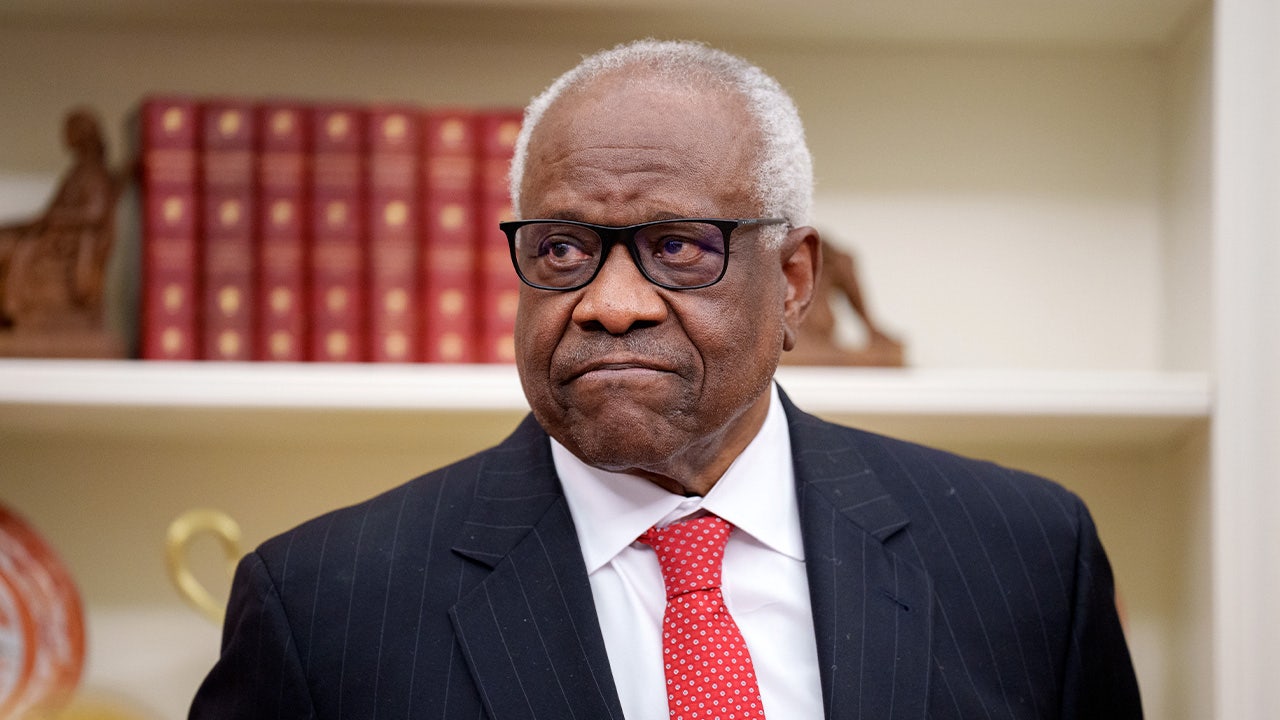
Thomas leaves nothing left unsaid on racial gerrymandering decision: ‘Go further’
#1 out of 7
politics18h ago

Thomas leaves nothing left unsaid on racial gerrymandering decision: ‘Go further’

  • Justice Clarence Thomas says Section 2 should not regulate districting at all, urging lawmakers to gut the Voting Rights Act provision.
  • The Supreme Court narrowed Section 2 in Louisiana v. Callais, affecting how states argue race in redistricting.
  • Dissenters argue the ruling could render Section 2 ineffective against diluting minority voting power.
  • Louisiana added a second majority-Black district after the 2020 census, which the Court later struck down as a racial gerrymander.
  • The ruling imposes tighter constraints on how race can be used in drawing maps, according to the majority.
  • The article notes political reactions, including Chicago Mayor Brandon Johnson weighing in on Thomas's remarks.
  • The piece references Justice Elena Kagan's dissent arguing the majority's approach would effectively end Section 2 protection.
  • The decision centers on the legality of race-based districting under the Voting Rights Act.
  • The article features imagery and context from the Supreme Court and White House ceremonies relevant to the case.
  • The piece underscores the ongoing national debate about voting rights and districting within a divided Court.
Vote 0

0
#2
Statement from Asian Law Caucus on Supreme Court Decision in Louisiana v. Callais
#2 out of 7
politics18h ago

Statement from Asian Law Caucus on Supreme Court Decision in Louisiana v. Callais

  • The Supreme Court ruled 6-3 in Louisiana v. Callais, affecting how Section 2 of the Voting Rights Act is applied to redistricting.
  • The decision potentially weakens protections against discriminatory maps by constraining how Section 2 can be used in redistricting.
  • The ruling could leave communities of color with fewer protections in state and local elections nationwide.
  • The Asian Law Caucus warns the decision is not isolated but part of a sustained assault on voting rights for communities of color.
  • Executive Director Aarti Kohli says the decision harms Black voters first and undermines protections for all communities of color.
  • The statement cites potential practical effects like split Chinatown districts as examples of the manipulation risk.
  • The Asian Law Caucus notes the decision affects not only Congress but other electoral levels nationwide.
  • The group commits to fighting in courts, legislatures, and at the ballot box to defend voting rights.
  • The decision's legal implications may widen challenges to maps drawn for removal of discrimination.
  • The statement underscores the importance of minority representation in political power nationwide.
Vote 0
0
#3
‘It’s certainly possible.’ Louisiana Democrat worries both majority black districts in the state could be redrawn | CNN Politics
#3 out of 7
politics16h ago

‘It’s certainly possible.’ Louisiana Democrat worries both majority black districts in the state could be redrawn | CNN Politics

  • CNN reports on a political moment in Louisiana involving Representative Troy Carter and local figures.
  • The segment provides context for the actions and statements of Louisiana lawmakers.
  • The piece mentions multiple referenced sources and analysts to frame the story.
  • The report aims to deliver a concise briefing on the latest developments as of publication.
  • The segment underscores how broader political dynamics intersect with state actions in Louisiana.
  • Viewers are guided through the scene with a focus on what the events mean for voters.
  • The coverage includes details on who is involved and what is being discussed.
  • The report references a CNN video segment as the primary source of information.
  • The article indicates the content reflects ongoing political developments in 2026.
  • Overall, the piece serves as a brief update rather than a deep investigative report.
Vote 0
0
#4
The Voting Rights Act is all but dead. Prepare for maximum gerrymandering.
#4 out of 7
politics14h ago

The Voting Rights Act is all but dead. Prepare for maximum gerrymandering.

  • The Supreme Court’s Callais ruling narrows the Voting Rights Act’s tools against redistricting that harms minority representation.
  • The ruling elevates partisan considerations, making maps that benefit one party harder to strike down under the VRA.
  • The decision could allow states with racially polarized electorates to shield maps from racial gerrymandering suits.
  • Analysts warn Alabama and other red states may redraw maps to maximize Republican representation for upcoming elections.
  • The ruling revisits the Gingles framework while reviving a focus on discriminatory intent.
  • The decision adds tactical leverage for partisan map-drawers in states with racially polarized electorates.
  • The decision has potential to impact future elections by reducing federal oversight over district maps.
  • Experts note the ruling interacts with Thornburg v. Gingles and the 1982 VRA amendments in complex ways.
  • The immediate focus is on how Alabama’s district maps may be adjusted for 2026 and beyond.
  • The Vox analysis frames Callais as a major victory for partisan priorities over racial safeguards.
Vote 0
0
#5
Supreme Court signals the end of legalized race-games — hooray!
#5 out of 7
politics14h ago

Supreme Court signals the end of legalized race-games — hooray!

  • The Supreme Court ruled against Louisiana's districting map for using race to shape electoral boundaries.
  • The court said the act did not require creating an additional majority-minority district when there was no compelling interest.
  • Justice Samuel Alito authored the majority opinion emphasizing there was no compelling interest to justify race-based maps.
  • The decision is viewed as advancing the idea that elections should be driven by candidates' programs, not the color of their skin.
  • The ruling narrows how race can influence district drawing under the Voting Rights Act.
  • The Court reaffirmed that racial considerations in map drawing must have a clear, justified purpose.
  • The decision does not abolish the Voting Rights Act but limits how race can be used in gerrymandering.
  • The ruling is part of a broader debate over how race should influence electoral maps.
  • The ruling was delivered in a context of ongoing discussion about equal protection in districting.
  • The decision was issued on a Wednesday, marking a notable moment in the ongoing legal saga.
Vote 0
0
#6
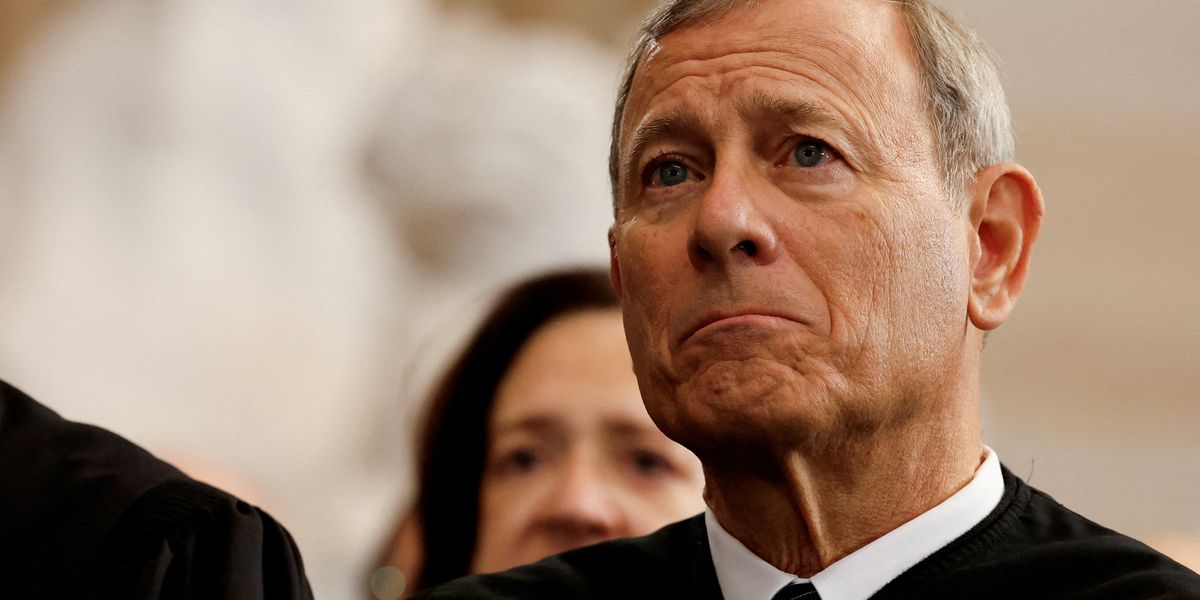
John Roberts warned he just left 'huge asterisk on his legacy in such a bad way'
#6 out of 7
politics12h ago

John Roberts warned he just left 'huge asterisk on his legacy in such a bad way'

https://www.rawstory.com/john-roberts-voting-rights-act/https://www.cnn.com/2026/04/30/politics/john-roberts-voting-rights-act-race-protections
Rawstory.com and 1 more
  • The Louisiana v. Callais ruling intensifies concerns that the Roberts Court is curbing federal protections against racial discrimination in districting.
  • Analysts argue Chief Justice Roberts bears responsibility for narrowing the Voting Rights Act, potentially weakening its enforcement against discriminatory district maps.
  • Katie Phang frames Roberts' legacy as controversial, calling it 'a huge asterisk' amid decisions affecting minority voting protections.
  • Litman notes Roberts' track record of limiting Voting Rights Act protections long before Louisiana, rooted in his DOJ tenure and early legal work.
  • The ruling's author, known for Shelby County v. Holder, is cited as diminishing protections against discrimination in voting.
  • Observers warn the decision may reshape minority protections and how districts are drawn in the future.
  • Roberts' role as the senior-most justice influenced the assignment of the Louisiana Callais opinion, signaling control over the ruling's framing.
  • The piece casts the clash as a broader fight between institutionalism and ideological constraints on civil rights protections.
  • Experts caution against accepting the narrative that Republican appointees merely respect democratic processes in voting-rights rulings.
  • The updated analysis links Roberts' jurisprudence to ongoing debates over minority protections in modern electoral maps.
  • Overall, the new reference frames Roberts' legacy as central to race-protection politics in the current Supreme Court era.
Vote 1
0
#7
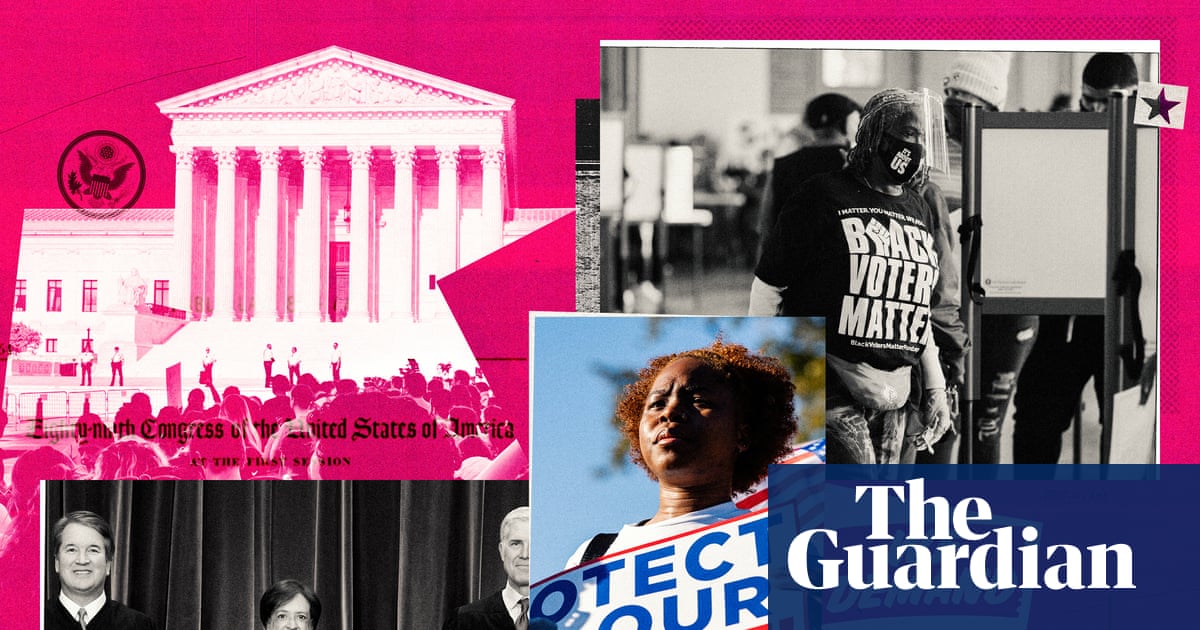
Two justices, one quest: push to gut Voting Rights Act reaches final act
#7 out of 7100.00%
politics2h ago

Two justices, one quest: push to gut Voting Rights Act reaches final act

  • The Supreme Court ruling in Louisiana v Callais marks a culmination of Roberts and Alito's long campaign against the Voting Rights Act.
  • Roberts previously authored Shelby County and later signaled intent to reexamine federal oversight of electoral maps.
  • Alito has repeatedly narrowed Section 2 challenges, tightening the evidence needed to prove racial gerrymandering.
  • Kagan’s dissent argues minority voters will have fewer protections if states follow Louisiana’s lead.
  • The decision underscores a broader shift toward interpretive limits on race-based remedies in voting cases.
  • The article tracks Alito’s 2024 Alexander v South Carolina NAACP decision as a precursor to the current ruling.
  • Elena Kagan’s dissent frames the new standard as a retreat from federal protections for minority voters.
  • The court’s ruling is described as overturning a century of legislative and judicial work to protect minority voters.
  • The Guardian frames the decision as a consolidation of efforts by Roberts and Alito to shift civil rights jurisprudence.
Vote 0
0

Explore Your Interests

Unlimited Access
Personalized Feed
Full Experience
or
By continuing, you agree to the Privacy Policy.. You also agree to receive our newsletters, you can opt-out any time.

Explore Your Interests

Create an account and enjoy content that interests you with your personalized feed

Unlimited Access
Personalized Feed
Full Experience
or
By continuing, you agree to the Privacy Policy.. You also agree to receive our newsletters, you can opt-out any time.

Advertisement

Advertisement