#1
#1 out of 1
10h ago
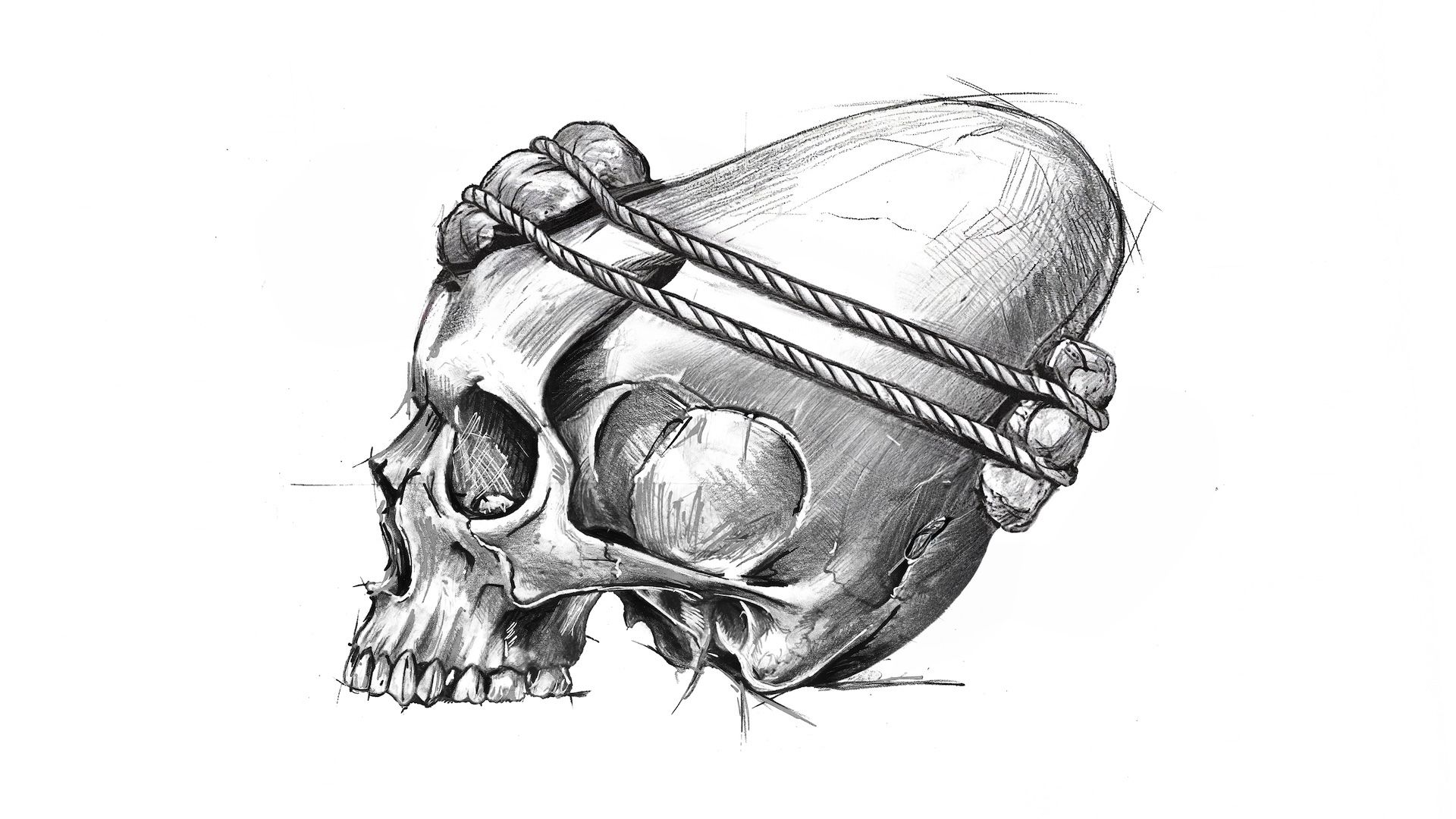
Ancient 'alien-like' skulls have been found on every continent but Antarctica. Anthropologists are starting to figure out why.
- New archaeological analysis shows cranial modification was widespread across continents, with varied methods and meanings.
- In the Andes, head shaping may reflect rites of passage or child-rearing traditions within families and communities.
- Some skull shaping served as markers of group membership or status, varying even within families.
- 3D measurements help archaeologists distinguish deliberate shaping from natural skull variation.
- The oldest evidence of head shaping traces back to Australia, dating at least 13,000 years.
- Explorers’ early reports sometimes overstated effects, but researchers today stress diverse motivations behind shaping.
- Cross-cultural patterns show head shaping as both a cosmetic ideal and a form of social signaling.
- By analyzing extended family remains, researchers found variation within the same kin group.
- Cranial modification endured into later eras, with practices reported in Oceania, Africa, and Europe into the 20th century.
- Researchers caution that early explanations tied to racism skewed understanding of head shaping.
Vote 0