#1
#1 out of 138.89%
world4h ago
Afghanistan climate crisis deepens as communities scale up environmental action | United Nations Peace Operations
- UNAMA reports climate pressures are intensifying across Afghanistan, threatening livelihoods and stability
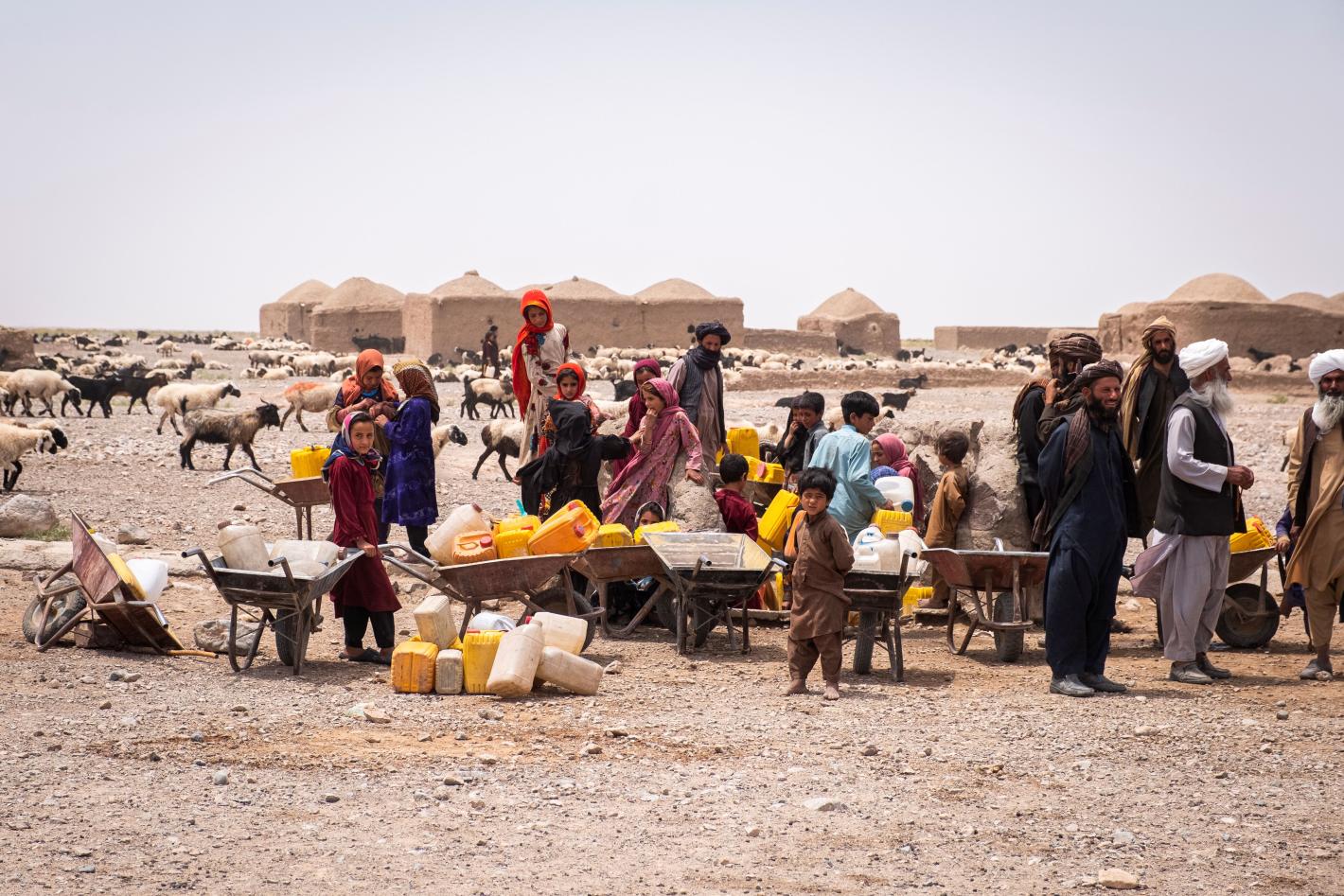
- Drought and water scarcity affect more than half the population, hitting agriculture and food security
- Eastern Nangarhar farmers report repeated crop failures amid shrinking water resources
- Unregulated groundwater extraction compounds water stress in southern provinces
- The Qush Tepa Canal aims to expand irrigation and boost agricultural production
- Nature-based measures include planting drought-resistant vegetation and better irrigation
- UNAMA coordinates with authorities and communities to promote sustainable practices nationwide
- Violent weather and environmental degradation drive displacement and humanitarian needs
- Urban areas face air pollution and waste management challenges amid climate pressures
- UNAMA links communities and partners to resilience-building efforts
Vote 0