#1
#1 out of 1
politics20h ago
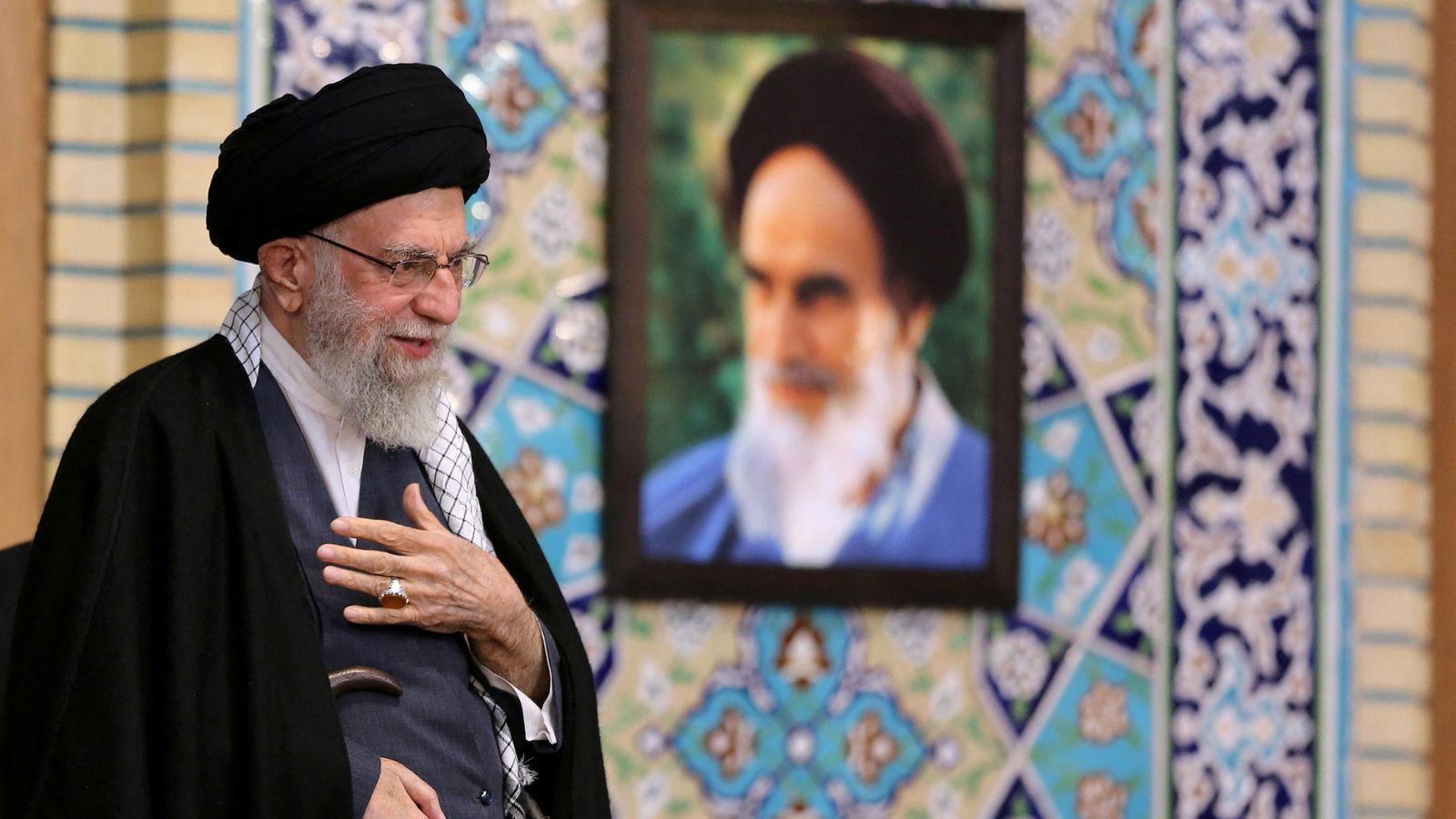
Why hasn't the Iranian regime collapsed?
- The Iranian regime has remained intact nine days into the war, with protests not yet materializing as opponents await U.S. moves.
- Analysts attribute regime resilience to a hybrid governance model post-1979 revolution that outlasts leadership shocks.
- The Supreme Leader oversees intelligence, the army, and other sensitive roles, ensuring centralized yet distributed authority.
- The Assembly of Experts can theoretically remove the Supreme Leader but exercises limited practical interference.
- The Guardian Council wields power over legislation and candidate eligibility, shaping political outcomes.
- The judiciary, headed by the Supreme Leader's appointee, interprets conservative law and extends influence over society.
- The Expediency Council advises the Supreme Leader and can resolve disputes between parliament and the Guardian Council.
- Iran's military branches, Artesh and IRGC, are key to national security and regime preservation.
- The IRGC controls the Basij and Quds Force, extending influence across regional proxies such as Hamas and Hezbollah.
- Experts say the IRGC's wealth and hardline stance will influence the selection of the next Supreme Leader.
- If the Supreme Leader dies, a temporary joint transfer of duties to the Chief Justice, President, and a Guardian Council member is expected until succession is determined.
Vote 0