#1
#1 out of 1
politics1d ago
What It Would Take to Finally Slay the Gerrymander
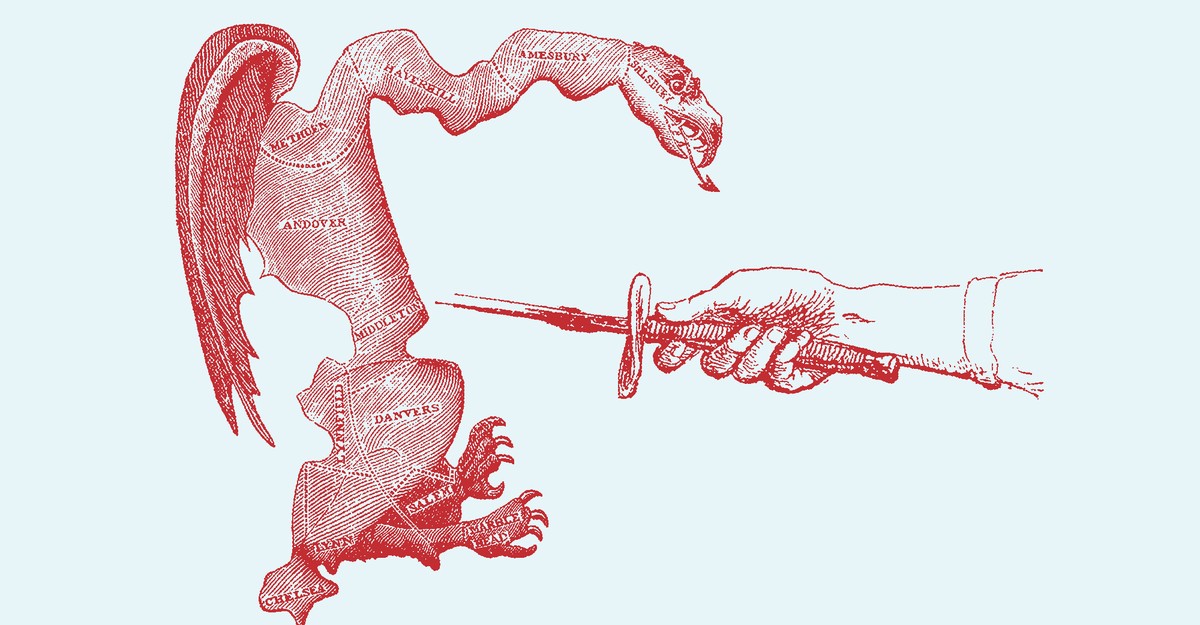
- The article links modern gerrymandering to a long history of district manipulation dating back to the 1812 origin of the term.
- The piece describes how modern districting has been aided by advanced computer modeling and increasing polarization.
- Supreme Court decisions and civil rights laws are cited as both enabling and constraining districting practices.
- Stoughton Cooley’s 1892 writings are presented as a critique of districting and a proposal for proportional representation.
- The author argues that gerrymandering corrodes political culture by diminishing minority-party engagement.
- The piece emphasizes a potential reform path through proportional representation to reflect the statewide vote share.
- The article notes that the Voting Rights Act curtailed efforts to dilute Black political representation in the South.
- The account highlights 'one person, one vote' as central to the 1964 Wesberry decision and redistricting practices.
- The piece warns that the current era presents a 'golden age' of gerrymandering with new tools and opportunities.
- The article frames districting as a structural problem that may require rethinking representation altogether.
- Overall, the piece connects historical lessons to a contemporary debate over how to achieve fair representation.
Vote 0