Your Followed Topics

Top 6 israel, israel News Today

#1
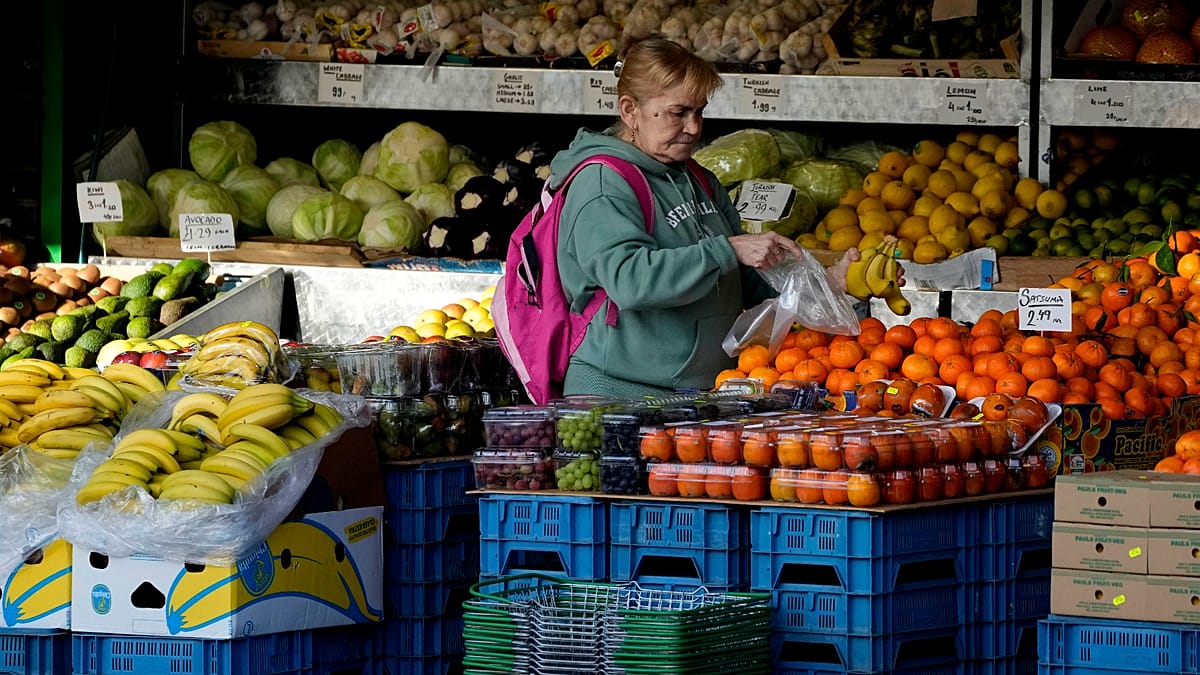
What would oil above $100 mean for food prices in Europe?
#1 out of 6
world1d ago

What would oil above $100 mean for food prices in Europe?

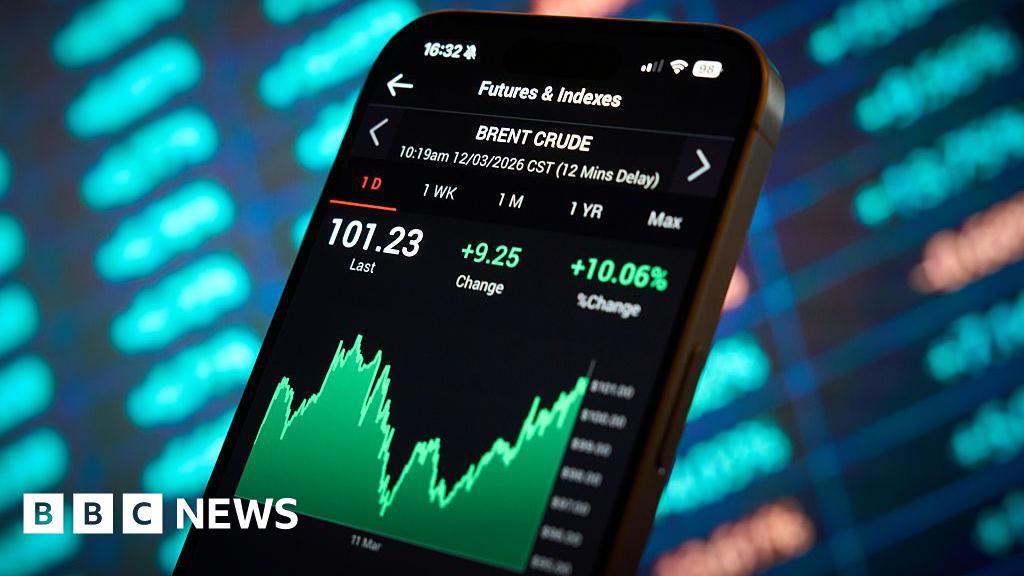
  • The Middle East crisis is pushing Brent crude prices above $100, heightening energy costs across Europe.
  • FAO warns fertilizer prices could rise 15–20% in early 2026 if the crisis continues.
  • Europe’s major refining hubs in Rotterdam and Antwerp heighten exposure to Gulf fuel disruptions.
  • Germany, France, Italy and Spain face notable diesel and aviation demand exposure amid higher energy costs.
  • European gas prices surging adds to fertiliser and transport costs across farming and food chains.
  • FAO cautions that cutting fertiliser use could shrink future harvests and tighten grain supplies later in 2026.
  • The Netherlands and Belgium are highlighted as highly exposed due to refinery clusters and logistics hubs.
  • Experts warn energy and fertiliser costs will eventually affect consumer food prices across Europe.
  • Biofuel demand could divert crops from food production, tightening global grain supplies.
Vote 0
0
#2
One month of Iran war: Trillions wiped out as global markets slide
#2 out of 6
business1d ago

One month of Iran war: Trillions wiped out as global markets slide

  • Global markets shed trillions in value within a month as the US-Israel operation against Iran intensified.
  • Oil prices rose by about 45% while gold fell roughly 15% as the energy shock hit markets.
  • The Bloomberg World Exchange Market Capitalization index dropped from $157.5 trillion to $146 trillion.
  • US indices showed steep declines, with the Dow, S&P 500 and Nasdaq posting multi-percent losses in March.
  • European markets retraced with the Stoxx 600, UK FTSE and DAX posting significant declines by late March.
  • Asian markets also declined, with the Asia Dow and major indices like Nikkei and Hang Seng falling in March.
  • Anadolu Agency notes the report represents a summarized portion of stories available to subscribers.
  • The report links geopolitical tensions in the Gulf to broader market uncertainty and inflation concerns.
  • Investors moved away from risk assets as the energy shock intensified.
  • The report cites a month-long period since the start of the US-Israeli strike against Iran as the timeframe for losses.
Vote 0
0
#3
Gold jumps over 3% on dip-buying as investors track Middle East tensions
#3 out of 6
business1d ago

Gold jumps over 3% on dip-buying as investors track Middle East tensions

  • Gold rose more than 3% on Friday as dip-buying returned after a pullback earlier in the week.
  • Spot gold traded around $4,536 per ounce and U.S. futures gained about 3.6% on the session.
  • Analysts framed the move as a buying opportunity with prices below the 200-day moving average.
  • Investors remain cautious as they weigh Iran tensions and potential impacts on energy and inflation.
  • Oil remained above $110 per barrel even as the U.S. pressured Iran over the Strait of Hormuz.
  • The Fed outlook shifted as inflation concerns persisted and rate-cut expectations dimmed for 2026.
  • Commerzbank raised its gold price forecasts, boosting the year-end target to $5,000 per ounce.
  • Silver, platinum, and palladium also posted gains, reinforcing a broader metal rally.
  • Traders are watching for signs the Iran conflict may end in spring, affecting policy expectations.
Vote 0
0
#4
How Trump and the oil markets move in sync: a tango in five charts
#4 out of 6
world1d ago

How Trump and the oil markets move in sync: a tango in five charts

  • Oil prices jumped from about $72 to near $118 a barrel after escalation, illustrating market sensitivity to Trump’s remarks.
  • Experts say energy prices reflect broader geopolitical risk, rising when rhetoric grows hawkish and easing when it de-escalates.
  • Analysts note some Trump rhetoric may aim to move prices rather than communicate policy, complicating trades.
  • Rabobank’s Jane Foley says market reactions are fading as the gap grows between assurances and Tehran’s stance.
  • Quilter Cheviot’s Jonathan Raymond says oil acts as a risk proxy for investors tracking geopolitical shocks.
  • The report compiles moments showing how Trump’s rhetoric coincided with moves in oil prices over the past month.
  • Market observers say investors price genuine uncertainty as event risk remains central to oil trading.
  • Some analysts note the difficulty in separating policy signals from price-motivating rhetoric.
  • The BBC piece includes commentary from multiple experts on the oil market’s sensitivity to geopolitical events.
  • Overall, the article links Trump’s public messaging to shifts in oil pricing amid the Iran conflict.
Vote 0
0
#5
America’s frozen jobs market could stay on ice due to Iran war | CNN Business
#5 out of 6
world8h ago

America’s frozen jobs market could stay on ice due to Iran war | CNN Business

  • The U.S. job market is thawing as payrolls grow and wage gains ease, signaling a more balanced labor market.
  • Economists see mixed signals: hiring slows in some sectors but remains steady in others.
  • Analysts expect the spring labor market to be driven by demand in services and advanced industries.
  • Market observers are watching for how the data influences inflation and Federal Reserve policy.
  • The report comes amid higher geopolitical tensions in the Middle East, adding a global risk factor to the outlook.
  • Wage growth remains a key focus as employers balance labor demand with price pressures.
  • Hiring momentum has not collapsed, suggesting underlying strength in the economy.
  • Sectors like services continue to drive job creation, offsetting slower manufacturing gains.
  • Investors expect the data to inform inflation expectations and policy timing.
  • The report adds context to the ongoing global economic narrative amid regional conflict.
Vote 0
0
#6
Oil on track for record monthly surge as Iran war disrupts markets
#6 out of 6
business6h ago

Oil on track for record monthly surge as Iran war disrupts markets

  • Brent crude surged about 51% in March, on track for the biggest monthly gain on record.
  • Oil traded as high as $119.50 a barrel in March amid Hormuz-related disruptions.
  • US crude rose while global supply was trimmed by the Middle East conflict.
  • Gold fell for the fifth-largest monthly decline in 50 years as a safe-haven hedge faltered.
  • Stock indices, including Wall Street, fell as investors assessed ongoing supply risks.
  • British equities also slumped, with the FTSE 100 ending the month below 10,000 points.
  • European governments faced tighter fiscal conditions as demand adjusted to higher borrowing costs.
  • Analysts noted supply risks remained the dominant driver for market pricing.
  • Oil remained the top-performing asset in a volatile month for markets.
  • Turkish central bank sold bullion, weighing on gold reserves.
Vote 0
0

Explore Your Interests

Unlimited Access
Personalized Feed
Full Experience
or
By continuing, you agree to the Privacy Policy.. You also agree to receive our newsletters, you can opt-out any time.

Explore Your Interests

Create an account and enjoy content that interests you with your personalized feed

Unlimited Access
Personalized Feed
Full Experience
or
By continuing, you agree to the Privacy Policy.. You also agree to receive our newsletters, you can opt-out any time.

Advertisement

Advertisement