Your Followed Topics

Top 4 international space station News Today

#1
Spectacular timelapse video shows Earth and the Moon from space, captured by an astronaut on the ISS | BBC Sky at Night Magazine
#1 out of 4
science1d ago

Spectacular timelapse video shows Earth and the Moon from space, captured by an astronaut on the ISS | BBC Sky at Night Magazine

  • ESA releases a timelapse video showing Earth and the Moon from the International Space Station.
  • The footage was recorded during the Ignis mission by ESA astronaut Sławosz Uznański-Wiśniewski.
  • Uznański-Wiśniewski spent 20 days on the ISS as part of the Ignis mission.
  • The video shows Earth's curved horizon and the Moon orbiting above our planet.
  • The Cupola, the ISS’s observation module, served as the viewing platform.
  • The mission supported science across multiple Ignis experiments in Poland.
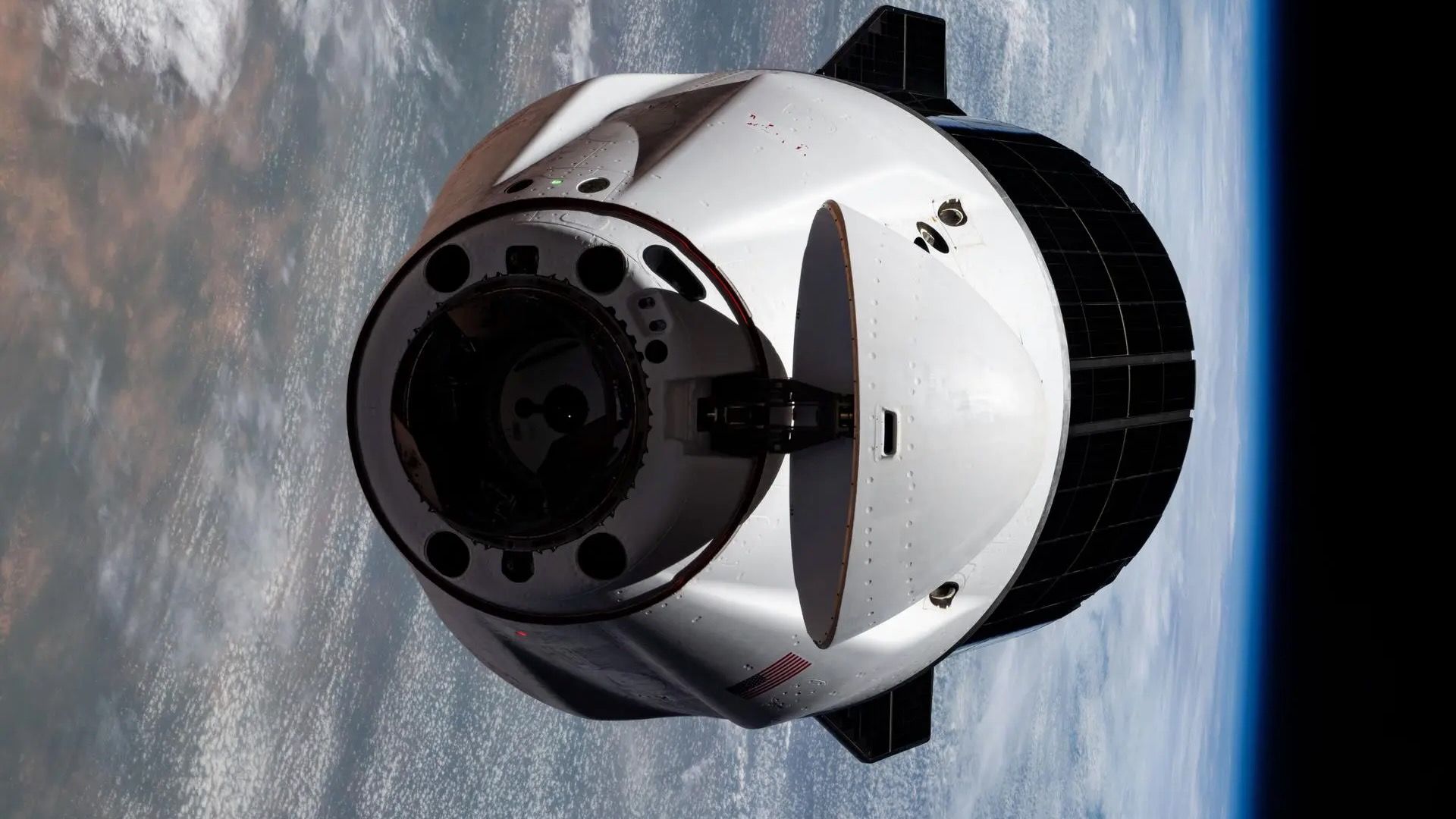
  • Uznański-Wiśniewski flew to the ISS on a SpaceX Dragon spacecraft on June 25, 2025.
  • The ISS orbits Earth roughly every 90 minutes at an altitude of about 400 km.
  • The article emphasizes the visual beauty of space views captured from the ISS.
  • Credit for the video goes to ESA and NASAIain Todd wrote the article.
Vote 0
0
#2
Microbes in Space Mutated And Developed a Remarkable Ability
#2 out of 4562.0 est. views
1d ago

Microbes in Space Mutated And Developed a Remarkable Ability

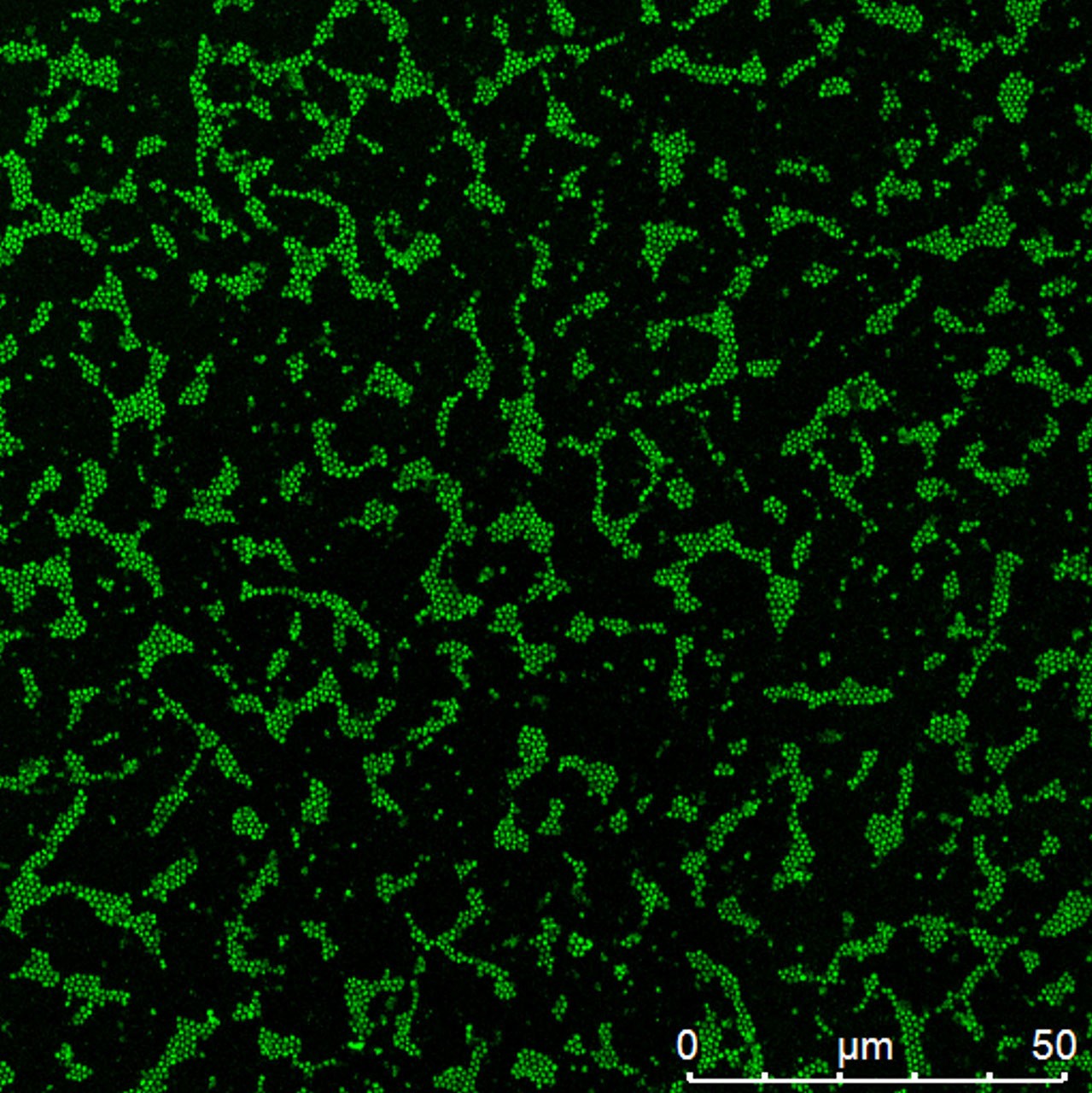
  • Space exposure changed how phages and bacteria interact, slowing infection and guiding a different evolutionary path.
  • Bacteria developed mutations in stress-response and nutrient-management genes in space.
  • Space-driven phage mutations helped phages keep binding to their bacterial targets.
  • Some space-adapted phages were especially effective against urinary tract infection bacteria.
  • Researchers say space-driven adaptations helped engineer phages with superior activity on Earth.
  • The findings appear in PLOS Biology from a Wisconsin–Madison and Rhodium Scientific team.
  • Experiments ran 25 days with Earth and space setups to compare outcomes.
  • The space study focused on Escherichia coli and T7 bacteriophage interactions.
  • Spaceflight may offer new routes to counter antibiotic resistance via phage therapy.
  • The work was directed by Vatsan Raman at the University of Wisconsin–Madison.
Vote 0
0
#3
Space Physics, Cardiac Research Kickoff Last Week in January - NASA
#3 out of 414.6K est. views
1d ago

Space Physics, Cardiac Research Kickoff Last Week in January - NASA

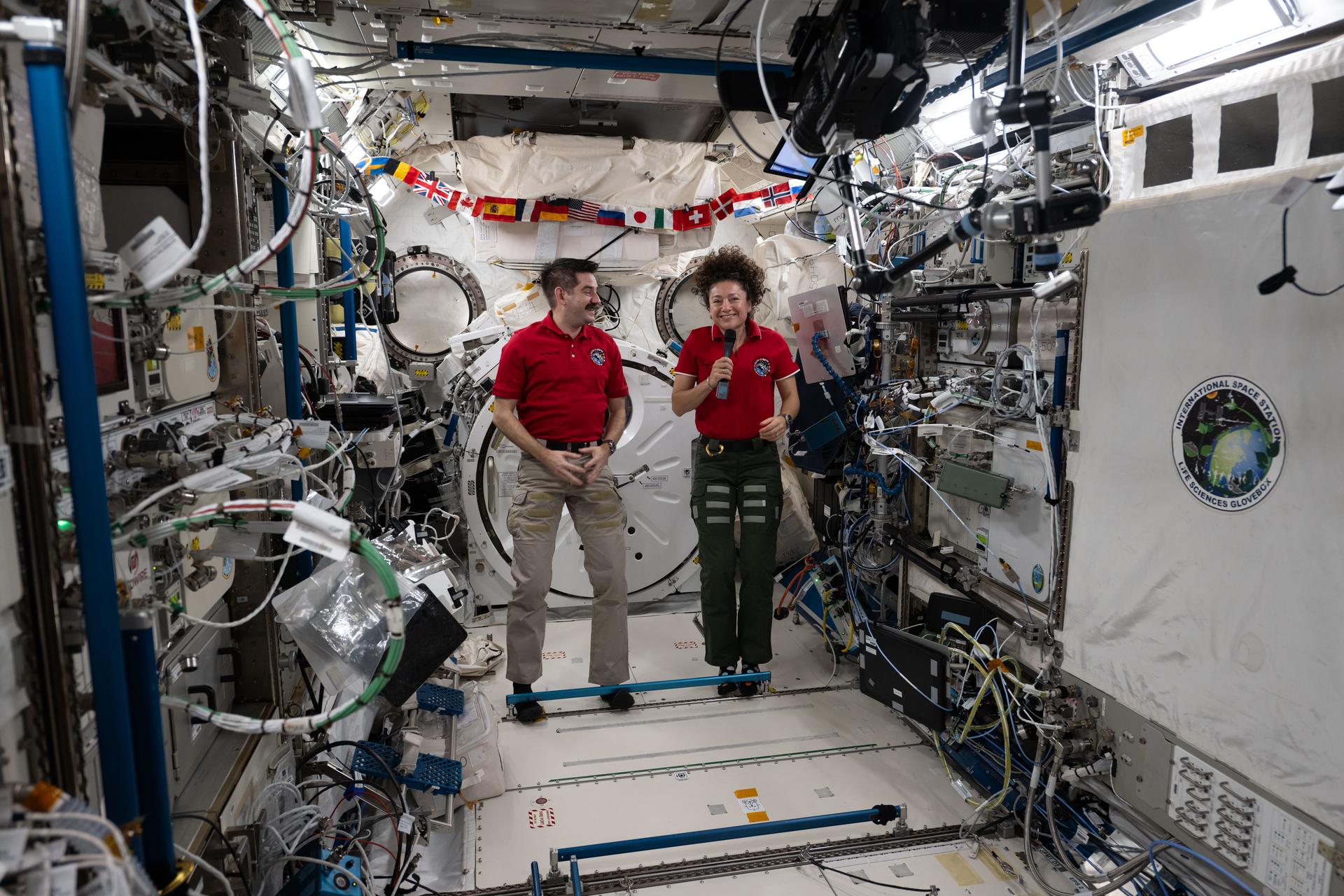
  • NASA reports Space Physics and Cardiac Research kicked off aboard the ISS with a three-person Expedition 74 crew.
  • Researchers study cryogenic storage in microgravity using the Zero Boil-Off Tank on the Destiny module.
  • Crew members performed vein scans to detect potential space-caused blood clots in real time.
  • The team monitors endothelial cells to understand cardiovascular adaptation in weightlessness.
  • The ISS continues monitoring vascular health as the crew works through a high-unobtrusive schedule.
  • Kud-Sverchkov and Mikaev work with Williams on cardiovascular and vascular health tasks.
  • The Space Station’s proximity and systems advances support future exploration hardware.
  • The ISS blog emphasizes ongoing access to station activities and social media updates.
  • NASA continues to publish weekly updates on station science and missions.
  • The article highlights the collaboration between NASA and Roscosmos on health studies.
Vote 0
0
#4
Late January 2026 International Space Station Sightings - edhat
#4 out of 4
science23h ago

Late January 2026 International Space Station Sightings - edhat

  • Observers reported multiple ISS sightings during late January 2026, marking clear, observable passes.
  • Stargazers noted favorable weather and viewing conditions aiding visibility of the ISS.
  • Reports come from multiple locales, indicating widespread interest in the ISS passes.
  • Pass durations spanned a few minutes, allowing interested observers to catch a glimpse.
  • The sightings emphasize the ISS’s ongoing presence in Earth's orbit and public interest.
  • Space observers provided accounts that contribute to the understanding of viewing windows.
  • The reports reflect ongoing public engagement with space phenomena during 2026.
  • No unusual events tied to the ISS were noted in the reports.
  • The feature underscores the ISS as a common, observable object in the night sky.
  • Readers are encouraged to check local viewing times and weather for future passes.
Vote 0
0

Explore Your Interests

Unlimited Access
Personalized Feed
Full Experience
or
By continuing, you agree to the Privacy Policy.. You also agree to receive our newsletters, you can opt-out any time.

Explore Your Interests

Create an account and enjoy content that interests you with your personalized feed

Unlimited Access
Personalized Feed
Full Experience
or
By continuing, you agree to the Privacy Policy.. You also agree to receive our newsletters, you can opt-out any time.

Advertisement

Advertisement