#1
#1 out of 357.14%
8h ago
Exploring Where Planets Form With The Hubble Space Telescope
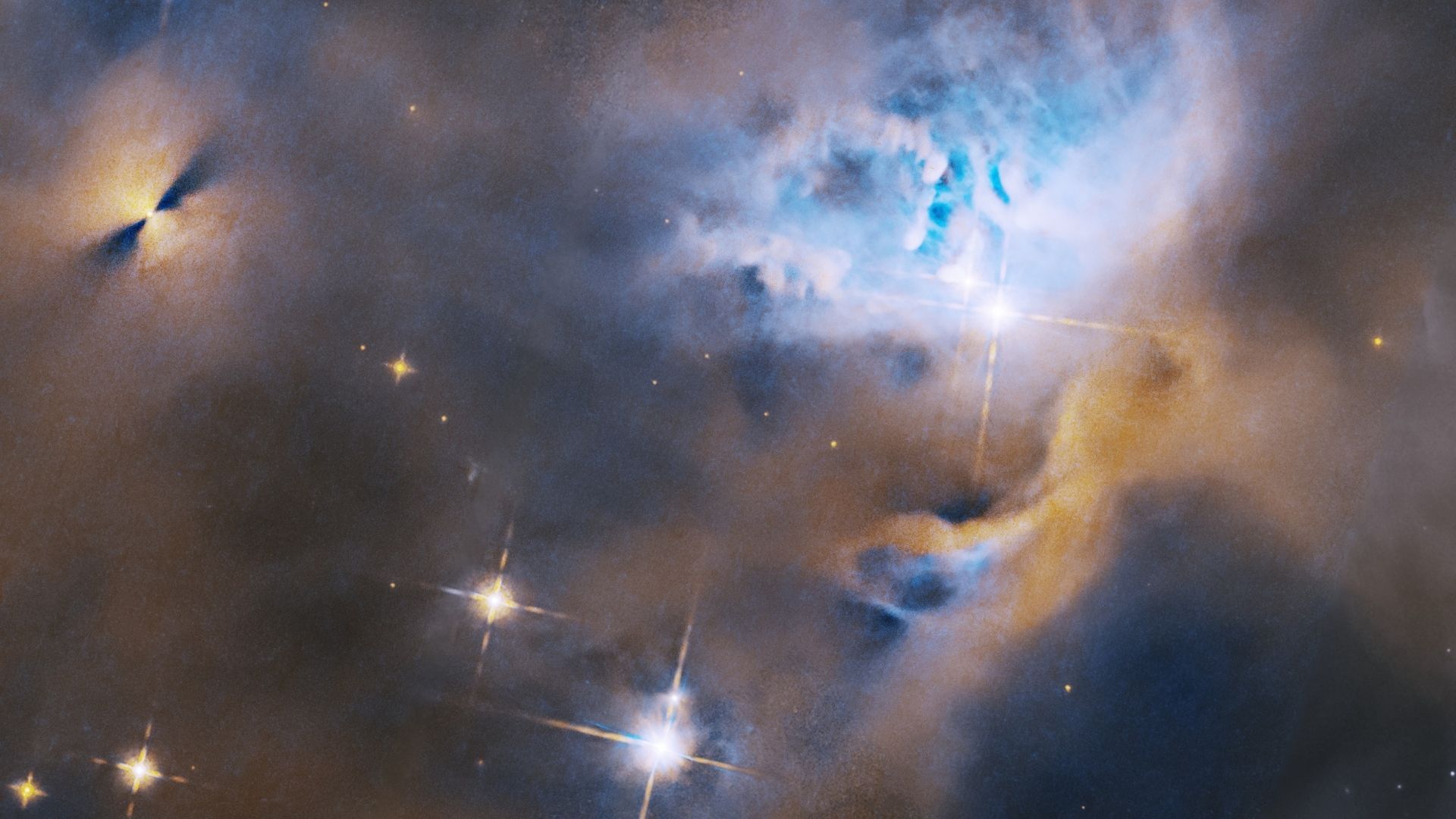
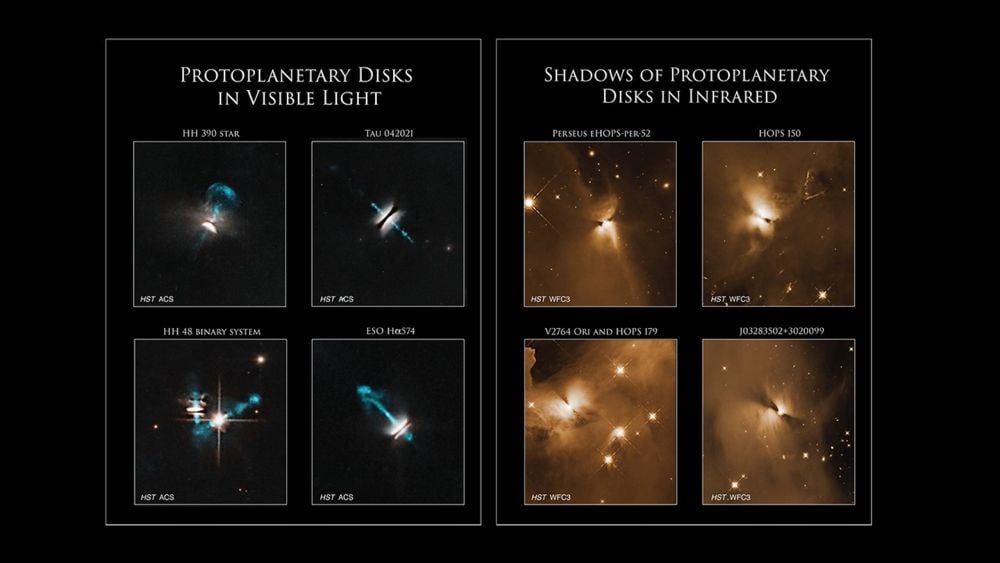
- Hubble’s new gallery shows four protoplanetary disks in visible light, with jets and shadowed disks illuminating planet-forming regions.
- Infrared images reveal embedded protostars surrounded by dusty disks, showcasing how dust absorbs and re-emits starlight.
- The disks form around young stars as material with angular momentum rotates, gradually accreting onto the star over hundreds of thousands of years.
- Jets and Herbig-Haro objects indicate energetic outflows from forming stars, shaping their surroundings.
- JWST observations later showed layered wind structures and inner and outer jets around young protostars.
- Hubble has lasted over 35 years, outlasting its original 15-year expectation due to servicing missions.
- NASA anticipates Hubble will continue operating into the 2030s as it ages gracefully.
- The Birth of Stars and Planetary Systems theme continued with JWST’s complementary insights.
- The article links how early disk stages relate to later planet formation in broader star-forming regions.
- Hubble’s 35-year legacy continues to inform understanding of disk dynamics and planet formation.
Vote 0