
Your Followed Topics

Top 2 harvard t. h. chan school of public health News Today

#1
Eating ultraprocessed foods tied to a 58% higher risk of developing dementia
#1 out of 257.3K est. views97.71%
health2h ago

Eating ultraprocessed foods tied to a 58% higher risk of developing dementia

  • Harvard researchers find ultraprocessed foods linked to a 58% higher dementia risk in older adults.
  • The study analyzed more than 5,300 older adults over nearly a decade.
  • Moderation and diet shifts toward minimally processed foods may reduce risk, experts say.
  • Study notes self-reported data limit causal conclusions about ultraprocessed foods and dementia.
  • Ultraprocessed diets are linked to obesity, gut changes, and cardiovascular risk factors.
  • A recent Virginia Tech study suggests meat and sugary drinks contribute to cognitive issues.
  • Experts advocate more minimally processed foods to lower dementia risk.
  • Dementia numbers in the U.S. are rising, underscoring public health concerns.
  • Around 70% of the American diet is ultraprocessed, researchers say.
  • Experts emphasize informing policy and dietary guidance to mitigate risks.
  • Study authors urge reducing ultraprocessed food intake for brain health.
Vote 0
0
#2
Tracking malaria in Central America | Harvard T.H. Chan School of Public Health
#2 out of 2
health12h ago

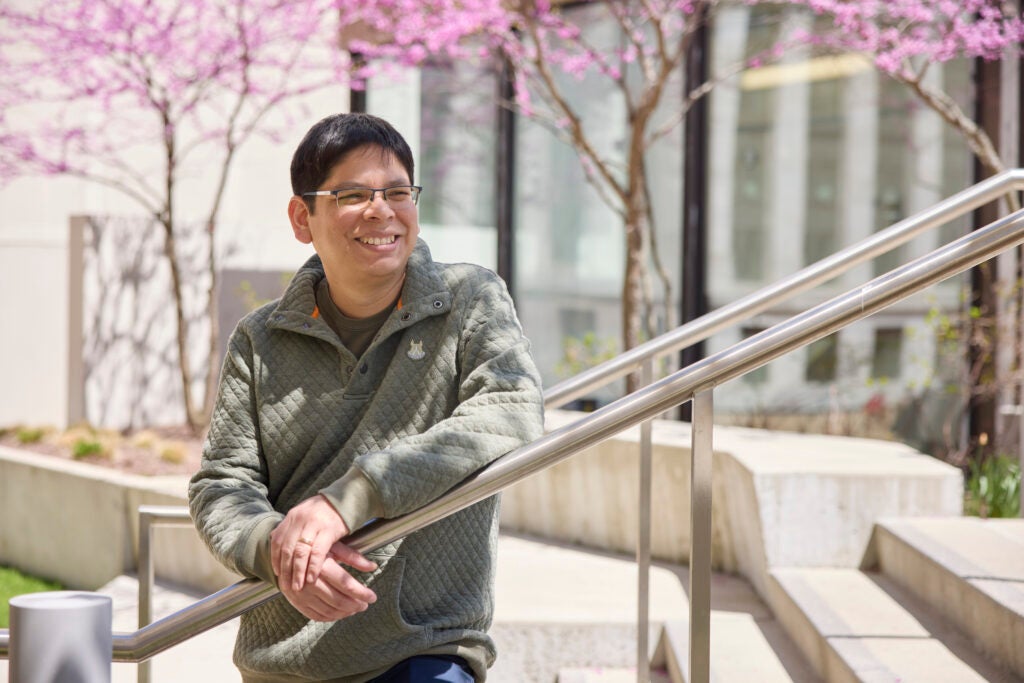
Tracking malaria in Central America | Harvard T.H. Chan School of Public Health

  • Manrique sequenced nearly a thousand Plasmodium vivax parasites to trace origins and transmission in Central and South America.
  • The study found imported malaria cases are rare in Central America, shifting focus to local mobility as a driver.
  • The team is building a network of Latin American researchers to exchange molecular surveillance knowledge and data.
  • Manrique’s goal is to develop easy-to-use tools for health agencies to analyze parasite genomics and track outbreaks.
  • Manrique returned to Peru after earning his PhD, planning to pursue positions while expanding molecular surveillance.
  • The Harvard Chan School article notes Manrique’s mentorship under Daniel Neafsey and his work in Lima.
  • The research centers on Central America, from Panama to Guatemala, and examines why malaria surged since 2020.
  • Manrique’s work emphasizes translating lab findings into action for hard-to-reach populations.
  • The project aims to create regional data repositories to support policy-making.
Vote 0
0

Explore Your Interests

Unlimited Access
Personalized Feed
Full Experience
or
By continuing, you agree to the Privacy Policy.. You also agree to receive our newsletters, you can opt-out any time.

Explore Your Interests

Create an account and enjoy content that interests you with your personalized feed

Unlimited Access
Personalized Feed
Full Experience
or
By continuing, you agree to the Privacy Policy.. You also agree to receive our newsletters, you can opt-out any time.

Advertisement

Advertisement