
Your Followed Topics

Top 2 harvard medical school News Today

#1
Probiotics and Popular Remedies Ineffective for Irritable Bowel Syndrome, Experts Say
#1 out of 2
health12h ago

Probiotics and Popular Remedies Ineffective for Irritable Bowel Syndrome, Experts Say

  • Latest guidance states popular online IBS remedies lack solid scientific backing according to expert voices and review of recent content.
  • Harvard gastroenterologist cautions against relying on unproven remedies like probiotics for IBS treatment.
  • Experts emphasize IBS symptoms can be managed with evidence-based first-line therapies like soluble fiber and hydration.
  • Dietary changes to identify and limit trigger foods can help some IBS patients, the article notes.
  • Peppermint is recommended for mild IBS symptoms by major gastroenterology groups.
  • The report notes that IBS can show normal results on colonoscopy or blood tests despite active gut problems.
  • The article cites a 2024 meta-analysis that found limited benefits from abdominal massage for chronic constipation.
  • Officials discourage at-home gut microbiome tests due to lack of clinical validation.
  • Experts urge consulting a gastroenterologist if first-line treatments fail to relieve IBS symptoms.
  • The Washington Post article by Dr. Trisha Pasricha supports evidence-based IBS treatment and cautions against unverified online claims.
Vote 0
0
#2
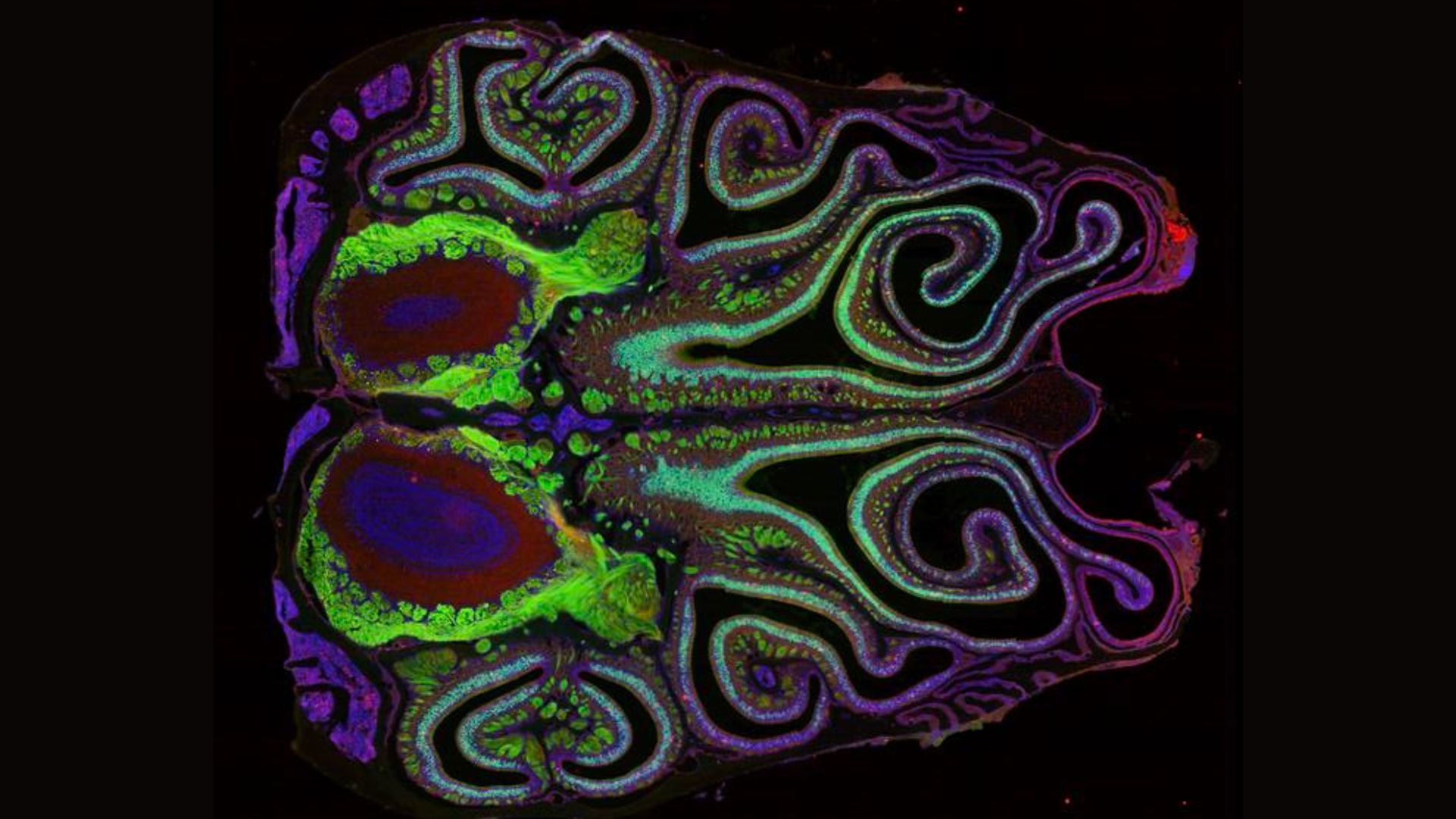
First-of-its-kind map of the mouse nose reveals surprises about the sense of smell
#2 out of 2
9h ago

First-of-its-kind map of the mouse nose reveals surprises about the sense of smell

  • A comprehensive map of mouse smell receptors shows organized, banded patterns rather than random distribution.
  • Researchers catalog 1,172 odor receptor types across about 1,100 olfactory neurons in mice.
  • Single-cell sequencing and spatial transcriptomics linked nose receptors to brain maps in the olfactory bulb.
  • Retinoic acid may guide neuron placement and receptor expression according to the study.
  • The work aligns nose receptor maps with brain maps in the olfactory bulb, suggesting coordinated organization.
  • The findings elevate our understanding of scent processing and may inform treatments for smell loss.
  • Researchers describe the map as a 'beautiful map' of over 1,100 smell receptors in the nose.
  • The study examined multiple lab mice and found consistent receptor positions across specimens.
  • The research uses advanced methods to explore how genes are active in nose cells and how this relates to smell.
Vote 0
0

Explore Your Interests

Unlimited Access
Personalized Feed
Full Experience
or
By continuing, you agree to the Privacy Policy.. You also agree to receive our newsletters, you can opt-out any time.

Explore Your Interests

Create an account and enjoy content that interests you with your personalized feed

Unlimited Access
Personalized Feed
Full Experience
or
By continuing, you agree to the Privacy Policy.. You also agree to receive our newsletters, you can opt-out any time.

Advertisement

Advertisement