#1
#1 out of 4
world1d ago
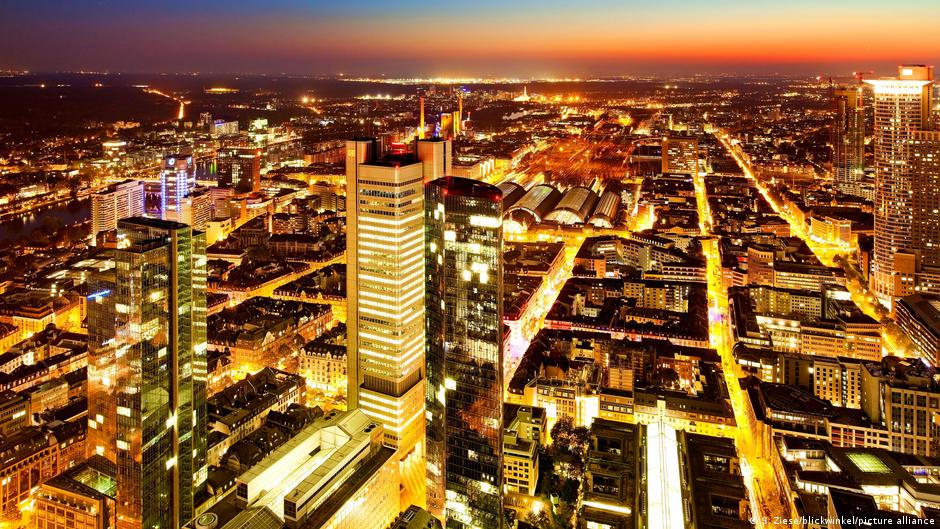
Blinded by the light pollution: Cities seek to restore night
- Global nighttime light emissions rose about 16% from 2014 to 2022, with Asia showing the largest increases.
- Exposure to bright night lights can disrupt sleep and raise risks for metabolic disorders like diabetes and obesity.
- Migratory birds and nocturnal insects are diverted or harmed by excessive artificial light at night.
- European nations have enacted laws to limit lighting and protect wildlife, with France and the Czech Republic cited as leading examples.
- Fulda, Germany, is highlighted as a pioneer in reducing light pollution with targeted lighting and motion sensors.
- Experts advise warmer lighting (below 3000 Kelvin) to minimize harm to humans and wildlife.
- The article notes that some European regions show decreases in light pollution, contrasting with trends in the United States and Asia.
- Lights on bridges and waterways can hinder aquatic species like eels during migration.
- DarkSky International recognizes cities that reduce light pollution and promote dark skies.
- Researchers link light pollution to ecological shifts that could threaten nocturnal species and biodiversity.
Vote 0