Your Followed Topics

Top 2 daejeon, south korea News Today

#1
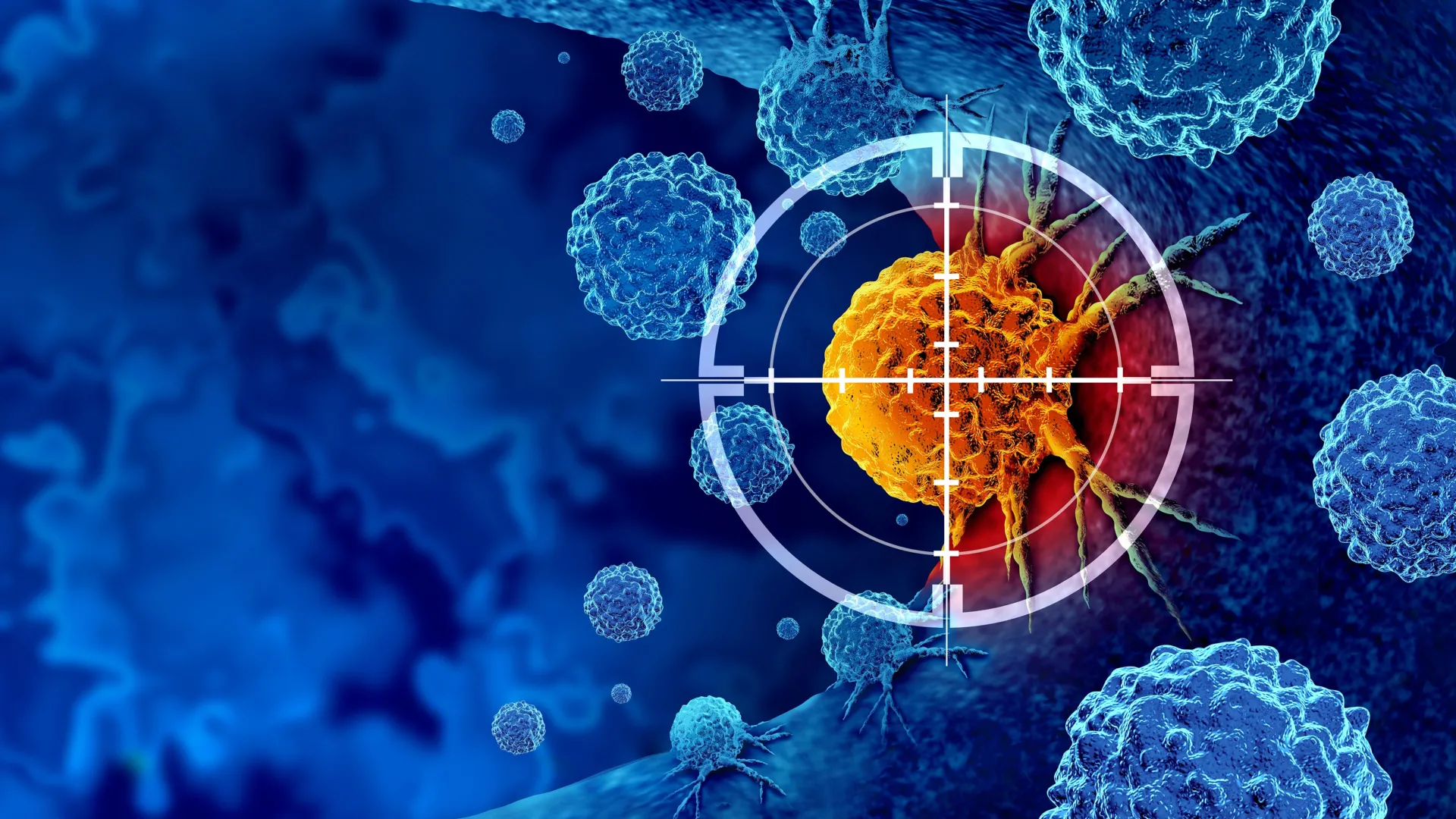
Scientists turn tumor immune cells into cancer killers
#1 out of 22.8K est. views
science1d ago

Scientists turn tumor immune cells into cancer killers

  • KAIST researchers reprogram tumor macrophages in situ using lipid nanoparticles to create enhanced CAR-macrophages inside the body.
  • Injected therapy leads macrophages to produce cancer-recognition proteins, transforming them into anticancer cells inside tumors.
  • Animal studies in melanoma showed slowed tumor growth and potential broader immune protection beyond the injected tumor.
  • The approach addresses delivery and immunosuppressive barriers that hinder current CAR-macrophage therapies.
  • The study was published in ACS Nano and led by KAIST researchers including Professor Ji-Ho Park.
  • The therapy relies on tumor-associated macrophages that naturally gather around tumors.
  • CAR-macrophages can directly engulf cancer cells and activate nearby immune responses.
  • The lipid nanoparticles carry both mRNA encoding cancer-recognition and an immune-boosting compound.
  • The KAIST team reports the therapy could broaden clinical applicability by avoiding cell extraction.
  • The research was funded by the National Research Foundation of Korea and presented by KAIST.
Vote 1
0
#2
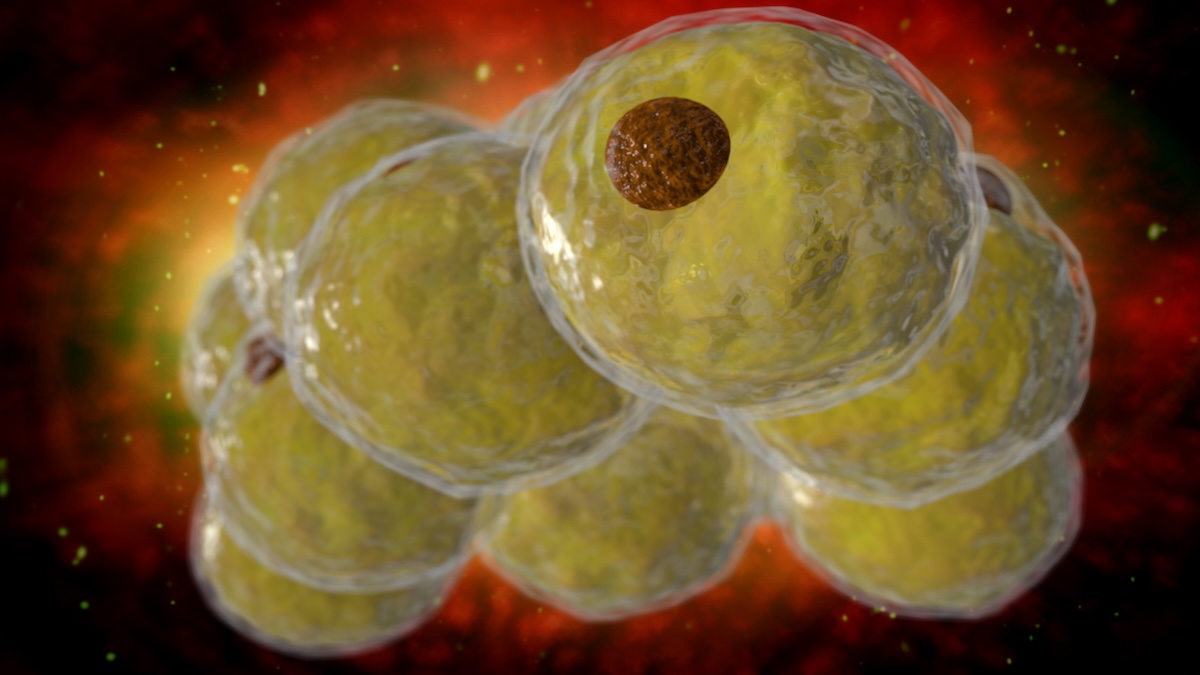
Scientists Identify an Epigenetic Switch That Can Slow Production of Fat Cells
#2 out of 216.3K est. views
health1d ago

Scientists Identify an Epigenetic Switch That Can Slow Production of Fat Cells

  • Researchers show an epigenetic switch can slow fat cell production by altering the Hippo-YAP/TAZ pathway in mice.
  • Blocking PPARγ’s fat‑cell instructions kept cells in a less specialized state and reduced adipocyte formation in mouse models.
  • When Hippo pathway brakes were released in mice, YAP and TAZ became hyperactive and fat cells regressed toward precursor-like states.
  • The study suggests epigenetic regulation plays a key role in adipocyte identity and could inform metabolic disease therapies.
  • The work was published in Science Advances, signaling a foundation for future personalized approaches to metabolic diseases.
Vote 0
0

Explore Your Interests

Unlimited Access
Personalized Feed
Full Experience
or
By continuing, you agree to the Privacy Policy.. You also agree to receive our newsletters, you can opt-out any time.

Explore Your Interests

Create an account and enjoy content that interests you with your personalized feed

Unlimited Access
Personalized Feed
Full Experience
or
By continuing, you agree to the Privacy Policy.. You also agree to receive our newsletters, you can opt-out any time.

Advertisement

Advertisement