Your Followed Topics

Top 2 communications earth & environment News Today

#1
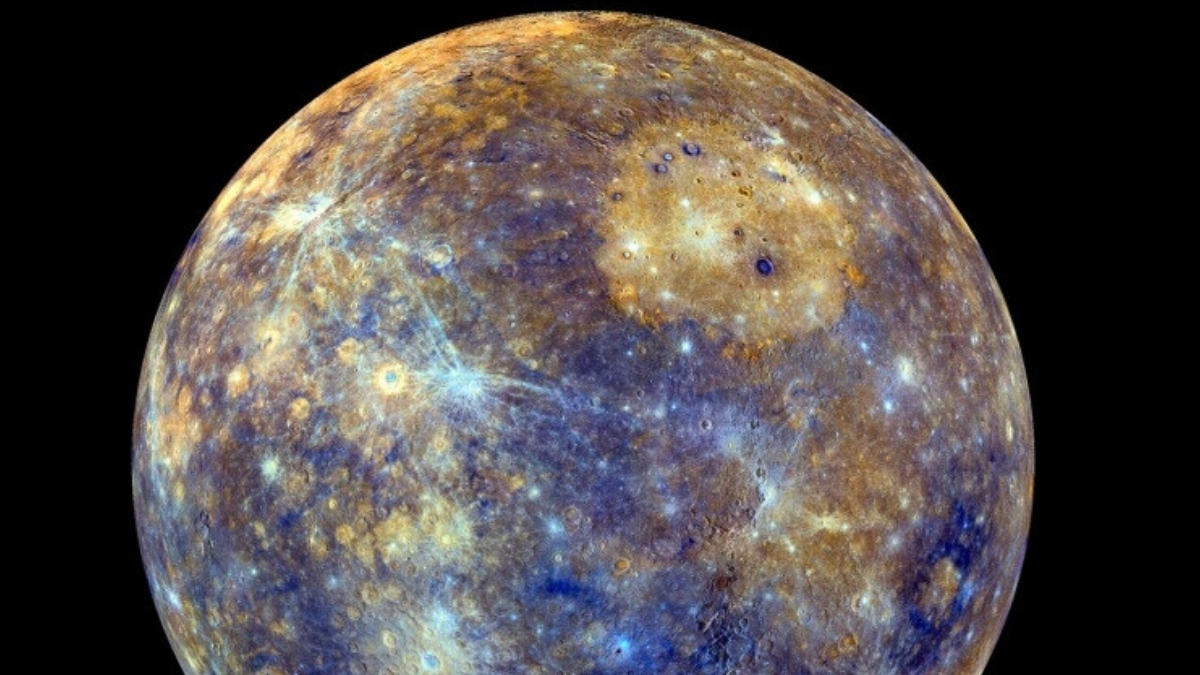
Strange Bright Lines on Mercury Suggest It's Not 'Dead' After All
#1 out of 214.0K est. views
science1d ago

Strange Bright Lines on Mercury Suggest It's Not 'Dead' After All

  • New analysis links bright surface streaks on Mercury to ongoing geological activity on a planet once thought dead.
  • Scientists analyzed 100,000 images from 2011–2015 and surveyed 402 lineae to map streak formation.
  • The streaks likely originate from volatile materials reaching the surface via cracks and hollows near large craters.
  • The study proposes that outgassing may form and maintain hollow depressions where streaks originate.
  • Researchers plan to use future ESA and JAXA missions to test the new Mercury activity hypothesis.
  • Nature Communications Earth & Environment published the study, signaling a potential shift in Mercury science.
  • Mercury’s streaks cluster on sun-facing crater slopes, showing a spatial pattern in active linesae.
  • Lineae formation on Mercury may reflect recent heat-driven processes, not a solely ancient surface.
  • The discovery hints Mercury may have ongoing surface processes driven by subsurface activity.
  • The findings challenge the view of Mercury as completely geologically inactive.
Vote 0
0
#2
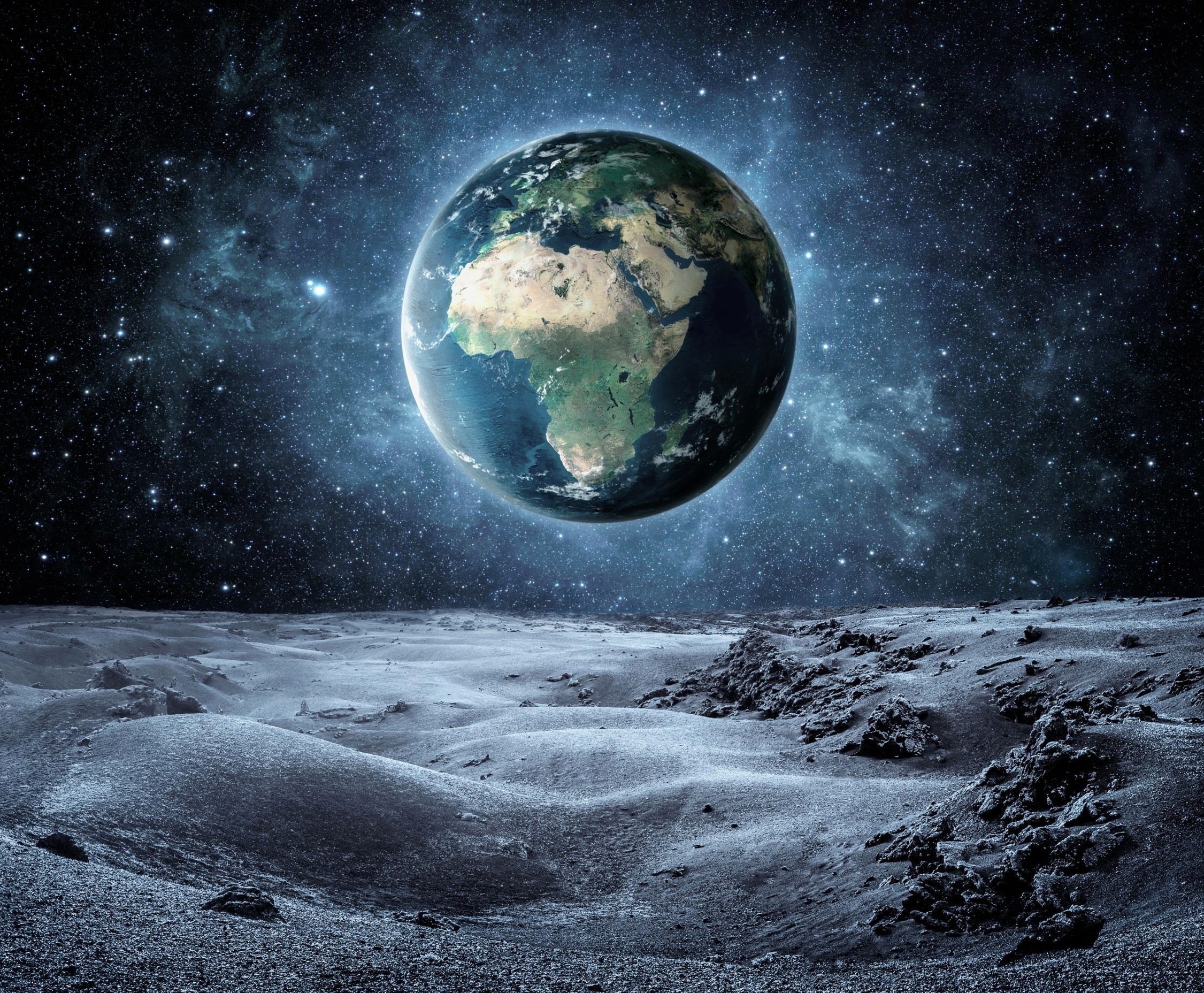
The Moon is quietly collecting Earth’s escaping air, study finds
#2 out of 2
1d ago

The Moon is quietly collecting Earth’s escaping air, study finds

  • New simulations show Earth’s atmosphere slowly leaks and can accumulate on the Moon’s near side over billions of years.
  • The team used computer simulations to show how charged atoms escape Earth and reach the Moon, especially during magnetic-tail passages.
  • During brief monthly alignments, the Moon travels through Earth’s magnetotail, guiding escaping atoms toward its surface.
  • Regolith on the Moon traps incoming atoms, slowing them and locking them into the soil over time.
  • Lunar samples from Apollo 14 and 17 helped validate the simulations by showing distinct Earth-derived isotopes.
  • Isotopic analysis distinguishes Earth-origin atoms from those formed in the solar wind.
  • The study describes the Moon acting as a time capsule for parts of Earth’s ancient atmosphere.
  • Future missions could test Earth-derived gases directly on the Moon to support life-support and propulsion needs.
  • The research connects space physics, magnetic fields, and lunar geology in understanding Earth–Moon exchanges.
Vote 0
0

Explore Your Interests

Unlimited Access
Personalized Feed
Full Experience
or
By continuing, you agree to the Privacy Policy.. You also agree to receive our newsletters, you can opt-out any time.

Explore Your Interests

Create an account and enjoy content that interests you with your personalized feed

Unlimited Access
Personalized Feed
Full Experience
or
By continuing, you agree to the Privacy Policy.. You also agree to receive our newsletters, you can opt-out any time.

Advertisement

Advertisement