#1
#1 out of 3
world1d ago
Critical minerals are ‘oil of 21st century’ as demand fuels poverty and pollution in poorer countries
- UNU-INWEH warns that demand for lithium, cobalt and nickel can drain water supplies and harm health in mining regions.
- The study notes lithium extraction requires large amounts of water and can contaminate rivers near mines.
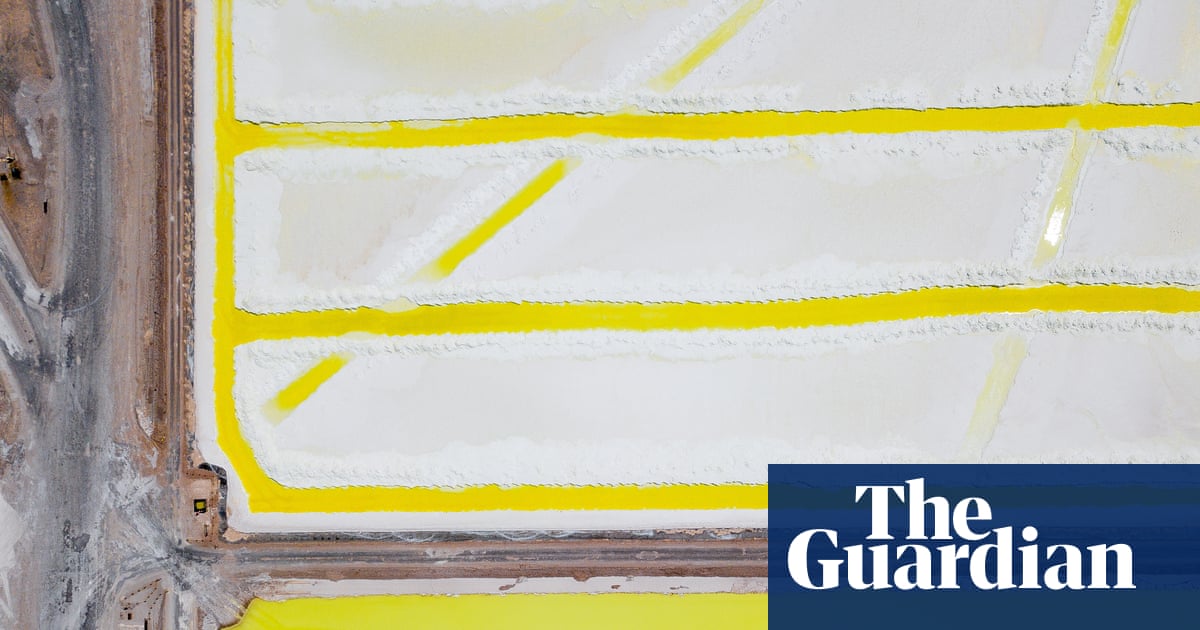
- The Atacama region and Bolivia’s Uyuni area face drastic water scarcity due to mining, impacting local livelihoods.
- The report calls for binding global standards on mineral sourcing and independent monitoring of water use.
- The Guardian notes protests and pushback against lithium projects in Argentina and Chile.
- The UN study projects that mineral production must rise to meet climate goals, intensifying future water and pollution pressures.
- Latin America's lithium triangle holds large reserves but is one of the driest ecosystems affected by mining.
- Women and communities report health and water access problems near cobalt mining sites in the DRC.
- Experts warn the green transition could repeat fossil-fuel dynamics without safeguards.
Vote 0