Your Followed Topics

Top 2 central europe News Today

#1
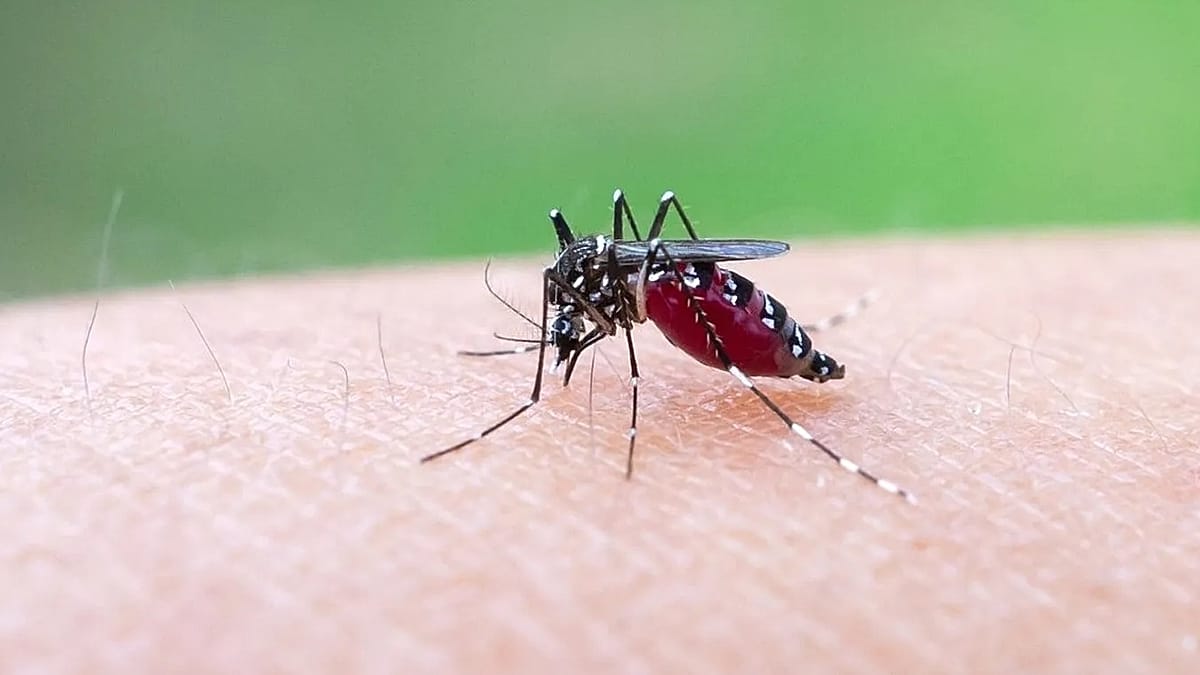
Heat may bring chikungunya virus to Europe, study warns
#1 out of 289.29%
health3h ago

Heat may bring chikungunya virus to Europe, study warns

  • New study warns climate change could push chikungunya-carrying mosquitoes into Europe and North America.
  • Warmer temperatures may expand mosquito habitats and speed virus development, increasing outbreak risk.
  • The study projects future hotspots in north-central Europe, northeastern North America, and eastern Asia by 2100.
  • Indigenous transmission is not yet established in Europe or North America; cases are travel-related.
  • Researchers used geo-tagged records of virus and vector presence across the globe to model spread.
  • The 2025 global chikungunya tally was over 500,000 cases with hundreds of deaths, underscoring rising risk.
  • Health systems are urged to prepare with surveillance, clinician training, and rapid-response plans before outbreaks.
  • Countries at risk—UK, Germany, the US, China, and Japan—should prioritize pre-emptive vector surveillance.
  • The study analyzed 16 IPCC climate scenarios to project disease expansion by 2100.
  • The study emphasizes proactive public health steps to avoid panic and outbreaks.
Vote 0
0
#2
The First World War and the Habsburg state's metamorphosis
#2 out of 2
world1d ago

The First World War and the Habsburg state's metamorphosis

  • The authors argue Austria-Hungary’s WWI era was a period of transformation, not merely a collapse.
  • Judson and Zahra say wartime governance expanded welfare but rested on a coercive, elite-dominated state.
  • Desertions and peasant militias in 1918 helped topple the empire from within, the authors state.
  • The book challenges the idea that nationalism alone doomed the monarchy, showing complex modern state structures persisted.
  • The authors argue the successor states built on wartime institutions rather than erasing them.
  • The review notes a wartime system that integrated care for widows, orphans, and refugees amid shortages.
  • The review identifies the High Command as a central factor behind political stagnation and eventual collapse.
  • Civilians experienced broadened state care but diminishing trust in state institutions during the war.
  • Cultural and political reforms did not prevent the empire’s dissolution by 1918, the authors argue.
  • Ultimately, the empire’s collapse paved the way for new Europe’s borders and identities.
Vote 0
0

Explore Your Interests

Unlimited Access
Personalized Feed
Full Experience
or
By continuing, you agree to the Privacy Policy.. You also agree to receive our newsletters, you can opt-out any time.

Explore Your Interests

Create an account and enjoy content that interests you with your personalized feed

Unlimited Access
Personalized Feed
Full Experience
or
By continuing, you agree to the Privacy Policy.. You also agree to receive our newsletters, you can opt-out any time.

Advertisement

Advertisement