Your Followed Topics

Top 2 carl spandler News Today

#1
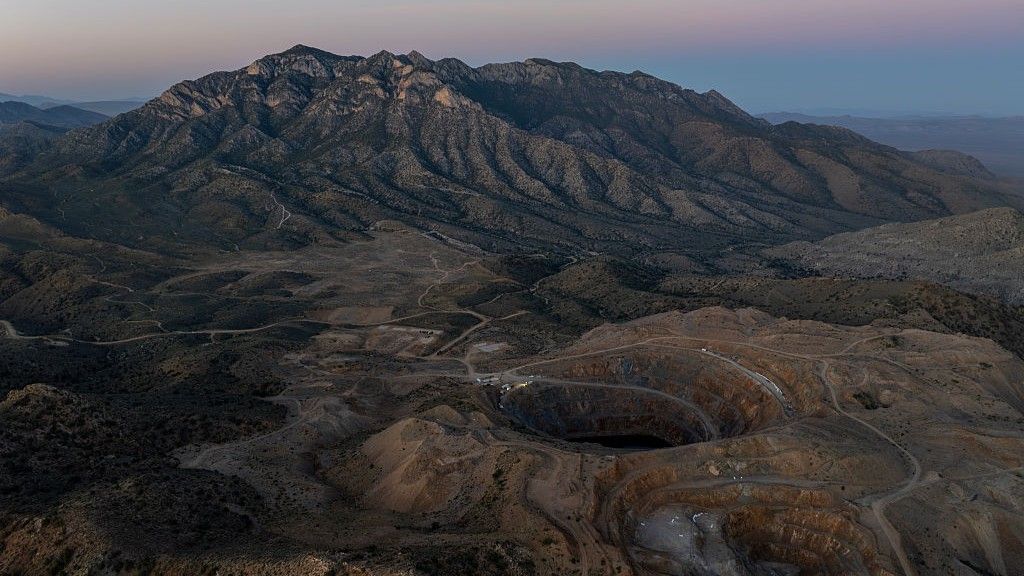
Ancient process that created rare earth elements discovered — and it could help us locate desperately needed deposits
#1 out of 2
science1d ago

Ancient process that created rare earth elements discovered — and it could help us locate desperately needed deposits

  • A new study links rare earth deposits to fertilized mantle regions formed above ancient subduction zones.
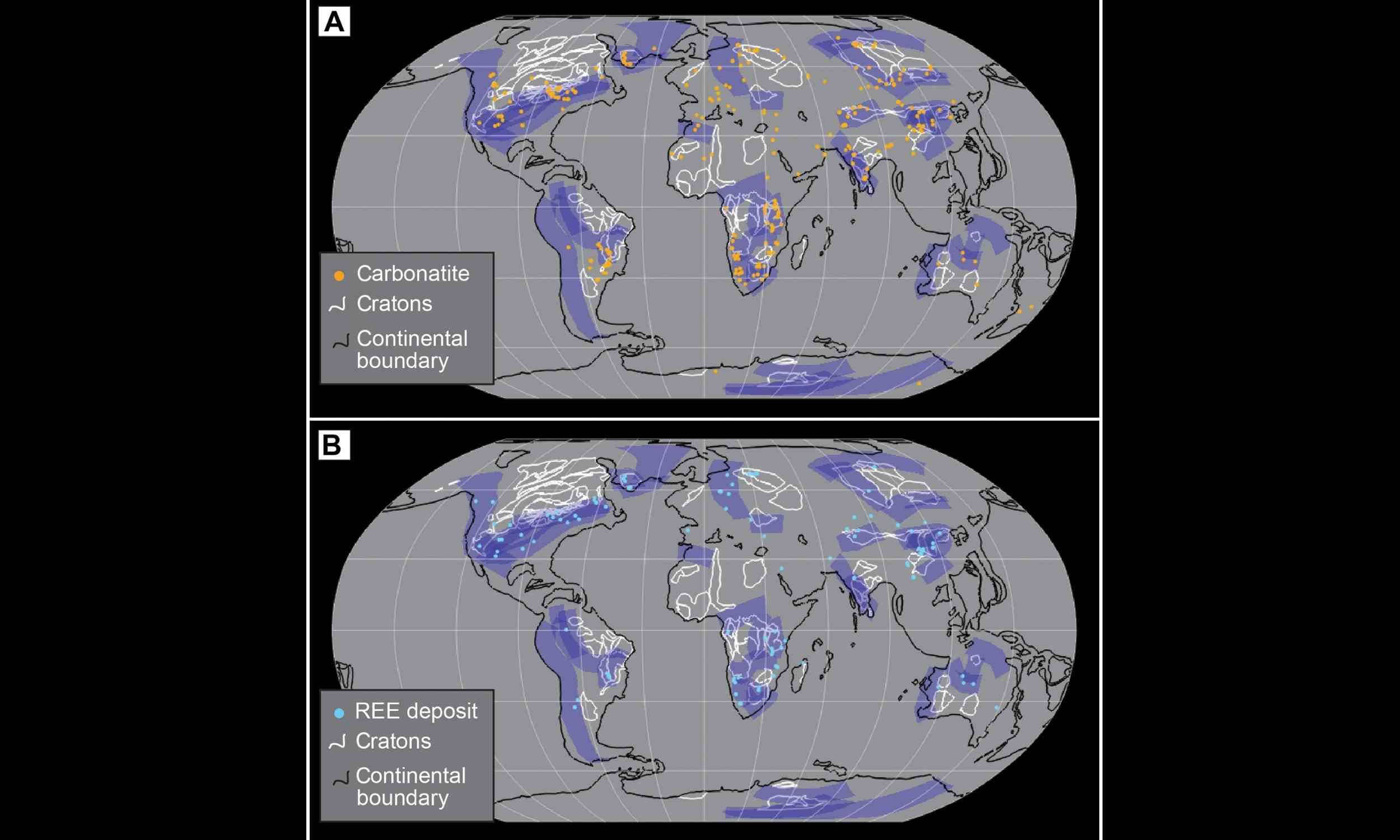
  • The team found 67% of alkaline and carbonatite magma blobs and 72% of REE deposits above fertilized mantle regions.
  • Older deposits (over 540 million years) show even stronger associations with fertilized mantle regions.
  • The study used 2-billion-year plate tectonics models to identify where enriched mantle persisted.
  • Fluid and halogen release at subduction zones is proposed to fertilize the mantle and enable later ore formation.
  • The findings may help exploration by focusing on regions with ancient subduction histories.
  • There are multiple possible processes for ore formation, including mantle plumes and deglaciation effects.
  • The study highlights a time-lag between ancient subduction events and current ore deposits.
  • The research team includes Carl Spandler of Adelaide University and colleagues.
  • The work suggests refining models to identify more prospective regions for rare earths.
Vote 0
0
#2
Tectonic map reveals most rare earth elements formed in ancient subduction zones
#2 out of 2
science6h ago

Tectonic map reveals most rare earth elements formed in ancient subduction zones

  • A new study links most rare earth deposits to ancient buried subduction zones, reshaping where exploration bets are placed.
  • The study maps 412 sites and shows about 75 million square kilometers of crust over these deep regions.
  • Many deposits occur in carbonatites, rare rocks rich in carbonates and formed at relatively low temperatures.
  • The chemical imprint from subduction can lower melting temps, enabling uncommon magmas to form.
  • There can be long delays between deep preparation and eventual melting, sometimes millions to nearly two billion years.
  • Older tectonic models focusing on mantle plumes may be less central to ore formation than the new deep-zone map shows.
  • Explorers are urged to target ancient tectonic belts, narrowing global search areas for deposits.
  • About 35% of continental crust lies inside fertile zones, yet most deposits lie there.
  • The study, published in Science Advances, links deep tectonic history to present mineral resources.
  • The research suggests that some deposits may still be hidden beyond the map’s two-billion-year window.
Vote 0
0

Explore Your Interests

Unlimited Access
Personalized Feed
Full Experience
or
By continuing, you agree to the Privacy Policy.. You also agree to receive our newsletters, you can opt-out any time.

Explore Your Interests

Create an account and enjoy content that interests you with your personalized feed

Unlimited Access
Personalized Feed
Full Experience
or
By continuing, you agree to the Privacy Policy.. You also agree to receive our newsletters, you can opt-out any time.

Advertisement

Advertisement