#1
#1 out of 1
world1d ago
How Bill Phillips used flowing water to model the economy
- Bill Phillips, once an economics outsider, built a water-based model to simulate a national economy in his garage.
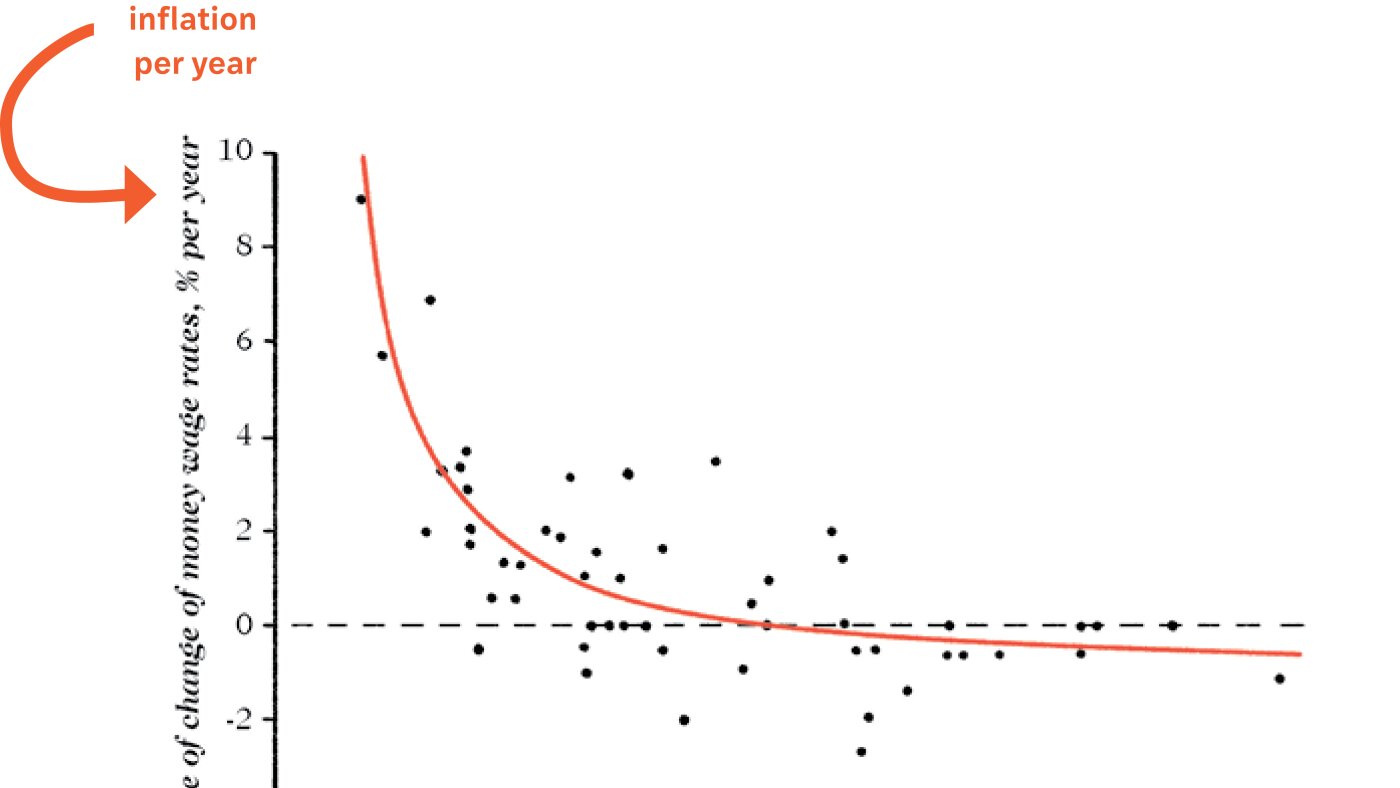
- The model helped illustrate the inverse relationship between unemployment and wage growth, shaping the Phillips Curve concept.
- NPR notes the curve’s adoption by central bankers and its role as a practical inflation-employment trade-off guide.
- The piece traces how policy-makers used the curve to target employment and inflation before the 1970s.
- The article links Phillips’s work to the rise of Keynesian thought and the idea that governments can dampen or boost economic activity.
- The narrative situates Phillips amid postwar economic shifts and the evolution of inflation theory.
- The piece cites the fate of the original idea as central to macroeconomic policy changes through the 1970s.
- The article emphasizes Phillips’s unexpected influence despite a nontraditional background.
- The narrative describes the Phillips Curve as a central tool for policymakers before modern shifts in macroeconomics.
- The piece closes by connecting Phillips’s demonstration to broader lessons about inflation, taxation, and economic policy tools.
Vote 0