Your Followed Topics

Top 2 battambang, cambodia News Today

#1
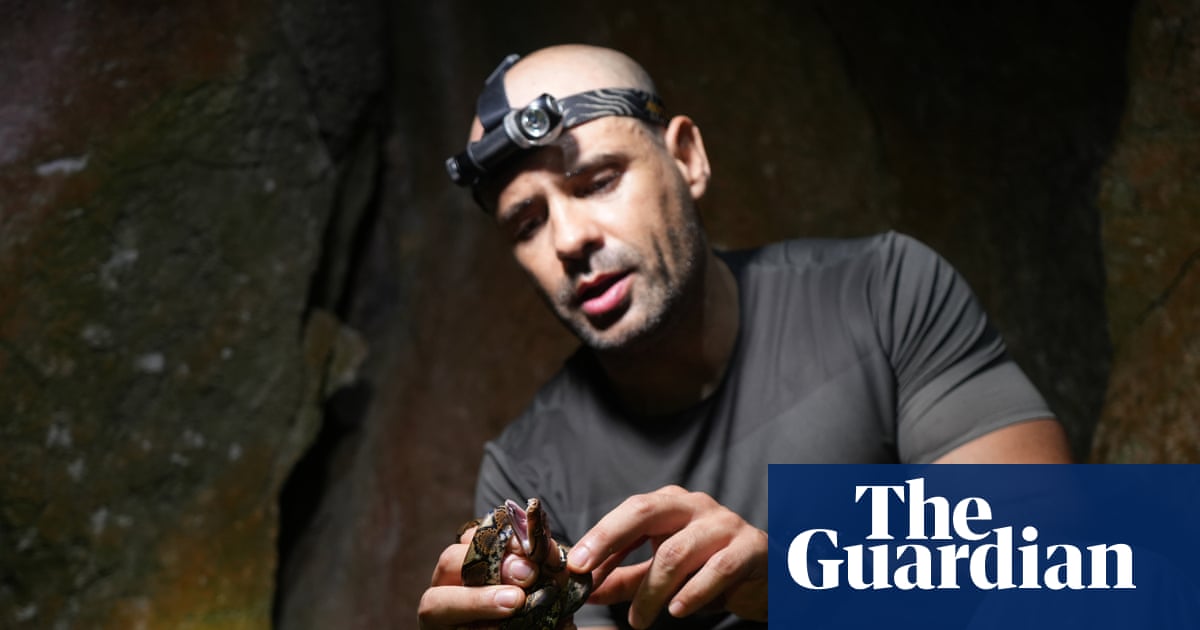
I discovered three new geckos in Cambodia’s limestone caves – and that’s not all we found
#1 out of 2
16h ago

I discovered three new geckos in Cambodia’s limestone caves – and that’s not all we found

  • Researchers in Battambang Province, Cambodia, found three new geckos during cave surveys.
  • The team surveyed more than 60 caves across 10 hills in Battambang province.
  • The discoveries highlight karst landscapes as isolated ‘island laboratories’ of evolution.
  • Finding new species requires DNA analysis to describe them properly.
  • Researchers warn that destroying karst hills could wipe out entire species.
  • The team’s work is part of broader conservation efforts to protect Cambodia’s caves.
  • Researchers collected specimens for description, including lethal dose for anaesthetic.
  • Geckos from the Battambang survey are named and described for their distinct traits.
  • Researchers emphasize karst hills are under threat from cement demand.
  • The findings add to global concerns about biodiversity loss in unprotected karst regions.
Vote 0
0
#2
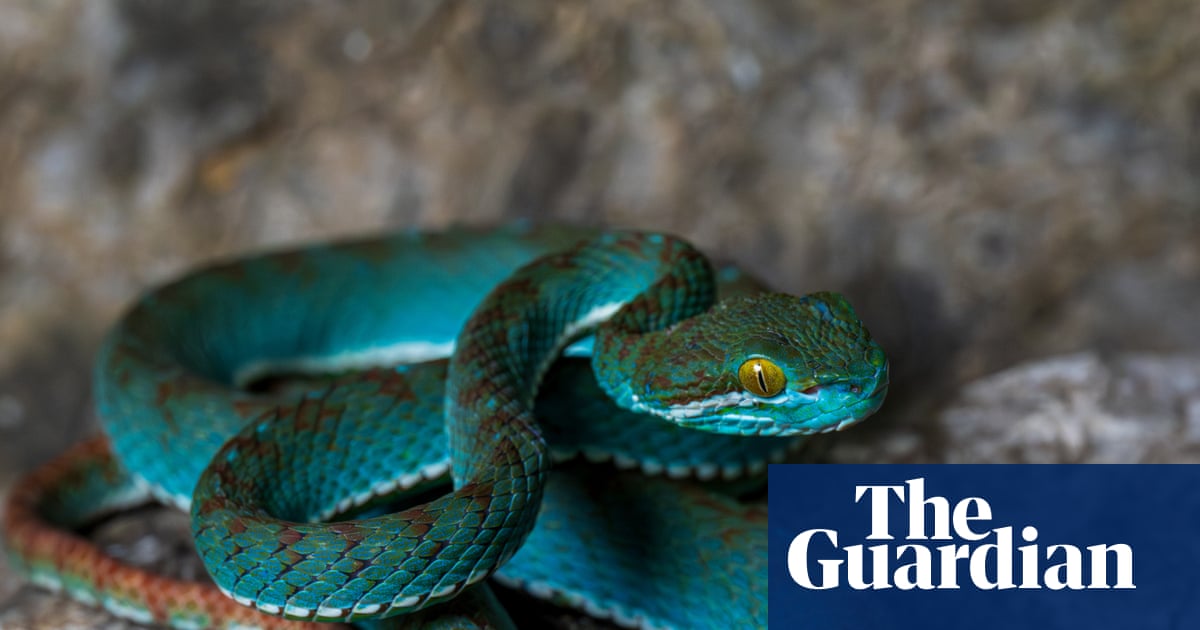
Secrets of the karst: new species found in Cambodia’s limestone caves – in pictures
#2 out of 2
science6h ago

Secrets of the karst: new species found in Cambodia’s limestone caves – in pictures

  • A survey of Battambang province’s karst caves documented multiple new species and fossils across 60 caves and 10 hills.
  • A venomous pit viper from the Trimeresurus genus was among the newly documented species.
  • The expedition identified a Gehyra gecko new to science in several karst areas of Battambang.
  • Dixonius noctivagus, the Battambang leaf-toed gecko, was among the discoveries and is likely geographically isolated.
  • Four populations of Cyrtodactylus kampingpoiensis were found, suggesting possible speciation due to karst isolation.
  • The karst-dwelling gecko shiva was first recorded in Cambodia and named after the Hindu god of destruction.
  • An Orthomorpha battambangiensis millipede with vivid coloring may signal toxicity or unpalatability to predators.
  • Researchers highlighted that Cambodia’s karst landscapes may harbor more undiscovered species due to geographic isolation.
  • The survey team included researchers Sothearen Thi, Phyroum Chourn and colleagues from Fauna & Flora.
Vote 0
0

Explore Your Interests

Unlimited Access
Personalized Feed
Full Experience
or
By continuing, you agree to the Privacy Policy.. You also agree to receive our newsletters, you can opt-out any time.

Explore Your Interests

Create an account and enjoy content that interests you with your personalized feed

Unlimited Access
Personalized Feed
Full Experience
or
By continuing, you agree to the Privacy Policy.. You also agree to receive our newsletters, you can opt-out any time.

Advertisement

Advertisement