
Your Followed Topics

Top 2 american society of clinical oncology annual meeting News Today

#1
Moleculin Presents ASCO Data Showing No Detectable Cardiotoxicity with Annamycin at High Exposure
#1 out of 2
health1d ago

Moleculin Presents ASCO Data Showing No Detectable Cardiotoxicity with Annamycin at High Exposure

  • Moleculin reports pooled ASCO data showing no detectable cardiotoxicity from Annamycin at high exposure.
  • In 90 patients, LVEF change was not significant (mean diff -0.12%).
  • No correlation found between cumulative Annamycin dose and LVEF changes.
  • Independent Cleveland Clinic review found no evidence of drug-induced cardiotoxicity.
  • Phase 1b/2 AML results show favorable responses reinforcing MIRACLE trial rationale.
  • The data come from ASCO presentations and SEC filings about Moleculin Biotech, Inc.
  • The summary is AI-generated and should be verified against the source.
  • Cumulative dose exposure reached a median of 660 mg/m² in the analysed cohort.
  • The ASCO data included 78 patients with paired LVEF measurements.
  • The study found no significant LVEF change despite high exposure, supporting safety signals.
Vote 0
0
#2
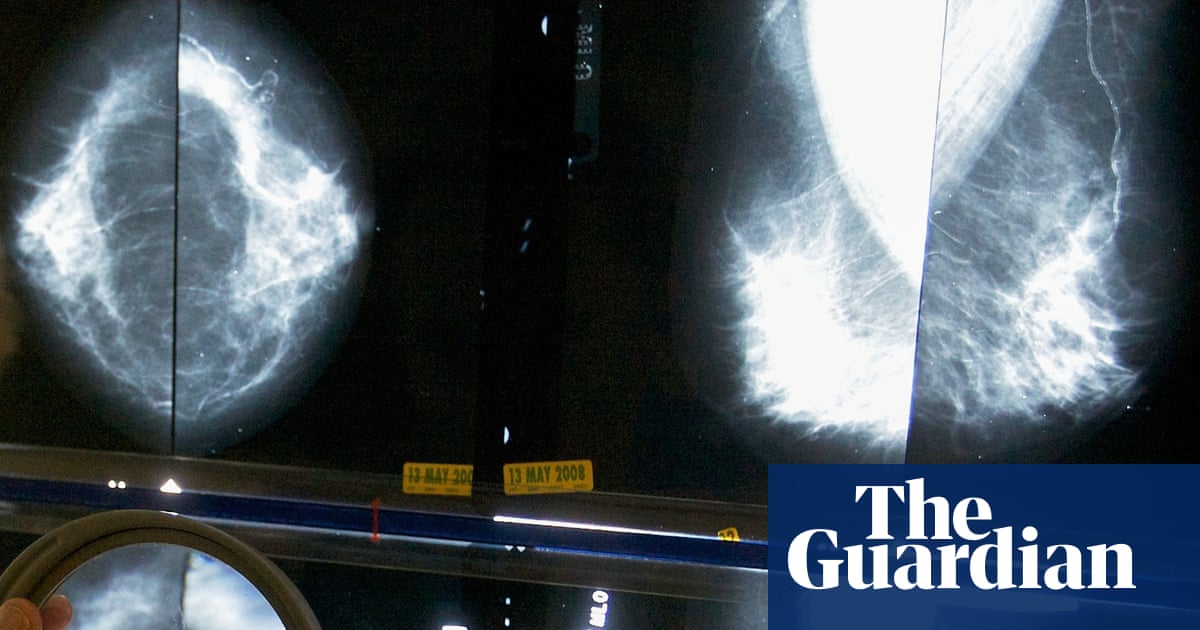
Groundbreaking genomic test could spare millions of breast cancer patients chemotherapy
#2 out of 2
health1d ago

Groundbreaking genomic test could spare millions of breast cancer patients chemotherapy

https://www.theguardian.com/society/2026/may/29/groundbreaking-genomic-test-spare-breast-cancer-patients-chemotherapy-hormone-therapyhttps://www.bbc.com/news/articles/c2325j0xk1vohttps://www.dailymail.com/health/article-15859971/Millions-breast-cancer-patients-spared-chemotherapy-thanks-groundbreaking-gene-test.html
Theguardian.com and 2 more
  • A large international trial using the Prosigna gene test indicates many breast cancer patients with hormone receptor-positive disease can safely forgo chemotherapy and rely on hormone therapy, preserving outcomes.
  • The trial enrolled over 4,000 adults aged 40+ across the UK, Norway, Sweden, Australia, New Zealand and Thailand, underscoring broad international applicability.
  • Prosigna analyzes 50 genes to estimate recurrence risk and guide chemotherapy decisions, enabling personalised treatment planning.
  • Five-year outcomes show near-identical survival between low-score patients who skipped chemo and those who received it, supporting safe treatment de-escalation.
  • UCL researchers emphasise personalising care to reduce unnecessary chemotherapy across health systems by basing decisions on tumour biology rather than traditional features alone.
  • Findings presented at a major global cancer conference (ASCO) underscore the study's international relevance and potential practice impact.
  • NHS implications suggest more than 5,000 patients annually could avoid chemotherapy thanks to genomically guided decisions.
  • Trial participant Karen Bonham describes the relief of avoiding chemotherapy, highlighting a real-world shift toward life realignment and normalcy post-diagnosis.
  • Health systems could benefit from more efficient, evidence-based resource use due to genomically guided decisions, potentially transforming guideline development.
  • The new evidence aligns with a broader move toward precision oncology by identifying who truly benefits from chemotherapy and who does not.
  • Guardian coverage places Optima results within ongoing debates about treatment value, reinforcing patient-centered decision-making.
Vote 2
0

Explore Your Interests

Unlimited Access
Personalized Feed
Full Experience
or
By continuing, you agree to the Privacy Policy.. You also agree to receive our newsletters, you can opt-out any time.

Explore Your Interests

Create an account and enjoy content that interests you with your personalized feed

Unlimited Access
Personalized Feed
Full Experience
or
By continuing, you agree to the Privacy Policy.. You also agree to receive our newsletters, you can opt-out any time.

Advertisement

Advertisement