
Your Followed Topics

Top 5 american society of clinical oncology News Today

#1
Cancer survivors may see surprising benefits from one specific exercise, study says
#1 out of 579.06%
health1h ago

Cancer survivors may see surprising benefits from one specific exercise, study says

  • A clinical trial found yoga reduced insomnia, fatigue, and mood issues in cancer survivors.
  • The Yoga for Cancer Survivors program (YOCAS) ran four weeks with three weekly sessions.
  • Most participants were female breast-cancer survivors.
  • Researchers noted improvements in mood and fatigue linked to yoga.
  • Experts say yoga offers a non-pharmaceutical option for symptom relief.
  • The study was funded by the National Cancer Institute and reported by ASCO.
  • Yoga classes were delivered in a supportive, peer-driven environment.
  • Lead researchers emphasized yoga as a non-drug approach to improve daily function.
  • The trial involved three weekly yoga sessions over four weeks.
  • The report notes yoga’s potential to help with anxiety and fatigue in survivorship.
Vote 0
0
#2
Cancer jab can eradicate entire tumours in patients, trial shows
#2 out of 595.71%
health3h ago

Cancer jab can eradicate entire tumours in patients, trial shows

  • New cancer jab amivantamab induced tumour shrinkage or disappearance in 43 of 102 patients across an 11-country trial.
  • The three-action jab targets EGFR and MET and boosts immune attack on tumours.
  • Patients with head and neck cancers benefited, including those who had not HPV-related disease.
  • Median overall survival after starting treatment was 12.5 months amid challenging disease.
  • The jab is administered under the skin, offering quicker, outpatient treatment.
  • The study spanned 11 countries and involved patients with advanced disease after other therapies failed.
  • Johnson & Johnson developed amivantamab, now under evaluation in around 60 clinical trials.
  • Martin Harrington of ICR called the responses unprecedented for resistant cancers.
  • Researchers plan to expand the approach to other cancer types with ongoing trials.
  • Trial results will be presented at ASCO, the world’s largest cancer conference.
Vote 0
0
#3
Groundbreaking genomic test could spare millions of breast cancer patients chemotherapy
#3 out of 5
health1d ago

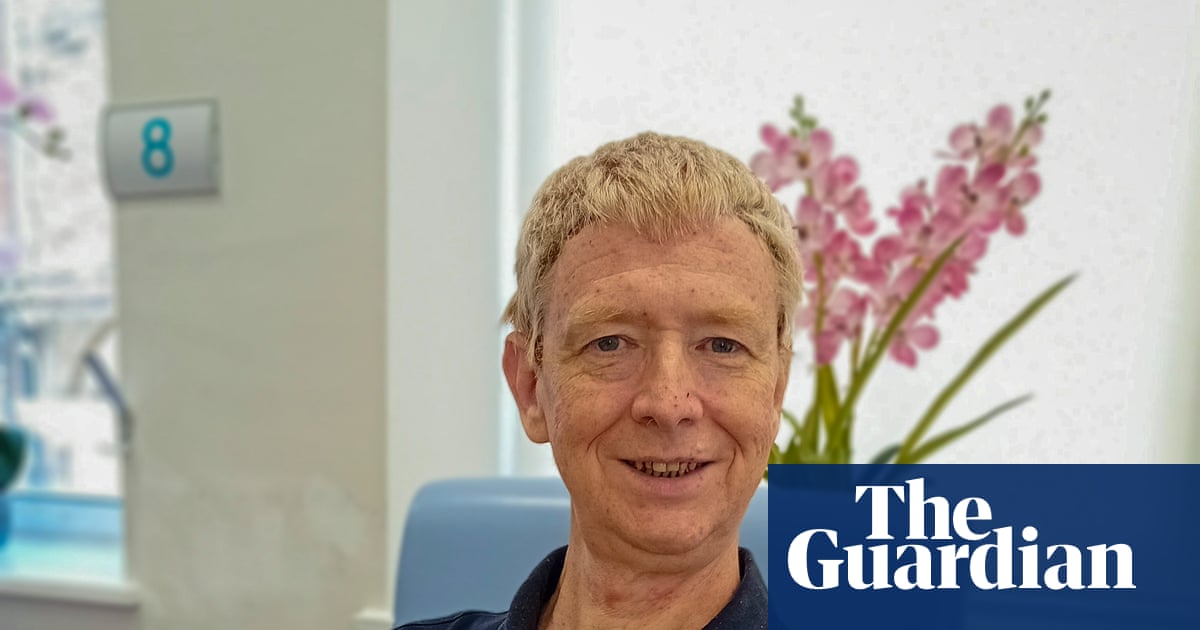
Groundbreaking genomic test could spare millions of breast cancer patients chemotherapy

https://www.theguardian.com/society/2026/may/29/groundbreaking-genomic-test-spare-breast-cancer-patients-chemotherapy-hormone-therapyhttps://www.bbc.com/news/articles/c2325j0xk1vohttps://www.dailymail.com/health/article-15859971/Millions-breast-cancer-patients-spared-chemotherapy-thanks-groundbreaking-gene-test.html
Theguardian.com and 2 more
  • A large international trial using the Prosigna gene test indicates many breast cancer patients with hormone receptor-positive disease can safely forgo chemotherapy and rely on hormone therapy, preserving outcomes.
  • The trial enrolled over 4,000 adults aged 40+ across the UK, Norway, Sweden, Australia, New Zealand and Thailand, underscoring broad international applicability.
  • Prosigna analyzes 50 genes to estimate recurrence risk and guide chemotherapy decisions, enabling personalised treatment planning.
  • Five-year outcomes show near-identical survival between low-score patients who skipped chemo and those who received it, supporting safe treatment de-escalation.
  • UCL researchers emphasise personalising care to reduce unnecessary chemotherapy across health systems by basing decisions on tumour biology rather than traditional features alone.
  • Findings presented at a major global cancer conference (ASCO) underscore the study's international relevance and potential practice impact.
  • NHS implications suggest more than 5,000 patients annually could avoid chemotherapy thanks to genomically guided decisions.
  • Trial participant Karen Bonham describes the relief of avoiding chemotherapy, highlighting a real-world shift toward life realignment and normalcy post-diagnosis.
  • Health systems could benefit from more efficient, evidence-based resource use due to genomically guided decisions, potentially transforming guideline development.
  • The new evidence aligns with a broader move toward precision oncology by identifying who truly benefits from chemotherapy and who does not.
  • Guardian coverage places Optima results within ongoing debates about treatment value, reinforcing patient-centered decision-making.
Vote 2
0
#4
Trial of multi-cancer blood test among 142,000 NHS patients fails to meet main aim
#4 out of 5
health7h ago

Trial of multi-cancer blood test among 142,000 NHS patients fails to meet main aim

  • The trial enrolled 142,942 NHS patients aged 50 to 77 with no cancer symptoms and followed them for three years.
  • Results showed the primary endpoint—reduction in late-stage cancers—was not met.
  • Some secondary findings suggested a potential decline in stage four cancers, yet experts urged caution.
  • Grail described the findings as encouraging for some measures, while others remain uncertain.
  • Independent experts cautioned that the main outcome was not met and results should be interpreted carefully.
  • The trial was conducted within the NHS and presented at the ASCO annual meeting in Chicago.
  • Experts emphasized that mortality outcomes will be informative in a couple of years.
  • NHS England and NHS Improvement were involved in conducting the trial and evaluating its implications.
  • The Galleri test is produced by Grail, which defended the study's potential despite the primary endpoint result.
  • NHS leaders await detailed data to guide future decisions about population screening.
  • Overall, the study did not demonstrate a clear population-level benefit for Galleri within the trial period.
Vote 0
0
#5
Pancreatic cancer is deadly and difficult to treat. A new pill could change that
#5 out of 5
health7h ago

Pancreatic cancer is deadly and difficult to treat. A new pill could change that

  • A new daily pill, daraxonrasib, targets the KRAS gene and shows promising survival in pancreatic cancer patients.
  • In early Phase 1/2 data, overall survival for patients on daraxonrasib reached about 13.2 months, near doubling standard care.
  • About one-third of patients with the KRAS G12 mutation showed an objective tumor response to the drug.
  • A 30% incidence of severe side effects, including rash and GI issues, accompanies daraxonrasib.
  • FDA fast-tracked limited approval raised access and equity questions for patients and providers.
  • Cost and affordability remain unresolved as doctors anticipate insurance coverage challenges.
  • Researchers aim to broaden use earlier in treatment and explore combinations with immunotherapy or surgery.
  • Revolution Medicines plans a full Phase 3 readout at the ASCO annual meeting to shape future approvals.
  • Experts see potential for the drug to alter the standard of care for PDAC if earlier use proves beneficial.
Vote 0
0

Explore Your Interests

Unlimited Access
Personalized Feed
Full Experience
or
By continuing, you agree to the Privacy Policy.. You also agree to receive our newsletters, you can opt-out any time.

Explore Your Interests

Create an account and enjoy content that interests you with your personalized feed

Unlimited Access
Personalized Feed
Full Experience
or
By continuing, you agree to the Privacy Policy.. You also agree to receive our newsletters, you can opt-out any time.

Advertisement

Advertisement