#1
#1 out of 15.1K est. views25.02%
entertainment18h ago
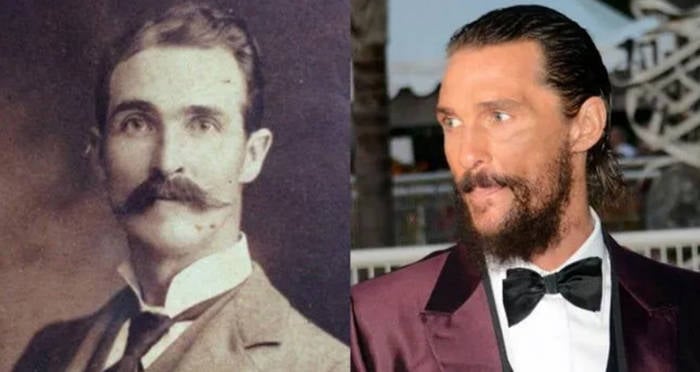
33 Celebrities And Their Eerily Similar Historical Doppelgängers
- A gallery links 33 historical figures with modern celebrities to show surprising facial resemblances.
- The collection includes Albert Einstein next to Shia LaBeouf, illustrating uncanny likenesses.
- Rose McGowan is shown alongside Hedy Lamarr, highlighting era-spanning look similarities.
- The piece discusses the enduring idea of doppelgängers and how culture treats doubles.
- The article suggests the internet will continue to uncover more celebrity look-alikes as old photos surface.
- The gallery includes a mix of scientists, artists, and political figures paired with today’s stars.
- The feature notes a historical context for doppelgängers and the illusion of immortal faces.
- The piece emphasizes that there are finite ways a human face can appear.
- Readers are encouraged to explore more doppelgänger content beyond the gallery.
- The article provides a brief historical overview linking myth and modern fame in a light, curiosity-driven tone.
Vote 6