#1
#1 out of 2
1d ago
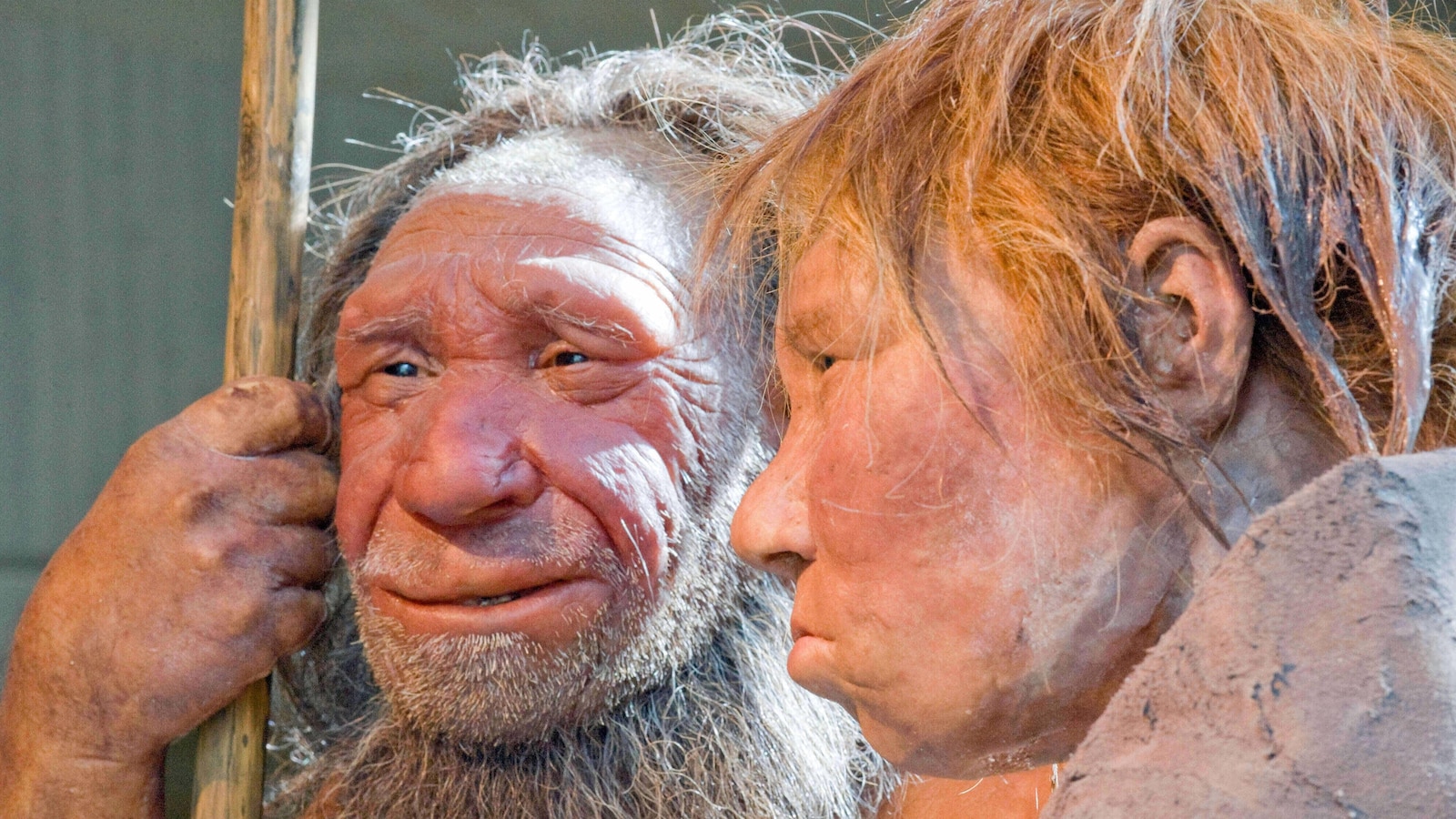
Genetic analysis reveals new details on ancient human and Neanderthal couplings
Abcnews.com and 1 more
- New reference supports a sex-biased interbreeding pattern where Neanderthal males and human females contributed DNA, shaping modern genomes.
- X chromosome analysis reveals asymmetric Neanderthal ancestry: humans show less Neanderthal DNA on their X chromosome, while Neanderthals carry more human DNA on theirs.
- Interbreeding events likely occurred multiple times after humans migrated into Eurasia, with mating biased toward human females and Neanderthal males.
- Genome-wide signals indicate that mating behavior and social dynamics, rather than purely natural selection, drove ancient interbreeding patterns.
- Both Neanderthal and modern human genomes were analyzed to infer ancient interbreeding, using the X chromosome as a key indicator.
- The study notes that some alternative explanations exist, and not all offspring would have survived to contribute to the gene pool.
- Historical context places the split between modern humans and Neanderthals around 600,000 years ago, with subsequent Eurasian encounters driving interbreeding.
- Patterns show a mirrored distribution of Neanderthal DNA between species, suggesting directional mating biases rather than uniform introgression.
- Researchers aim to further explore Neanderthal population structure to understand whether one sex moved between groups more often or whether social traditions influenced partner choice.
- Ancient encounters left a measurable record in modern genomes, with the X chromosome preserving signs of sex-biased interbreeding across generations.
Vote 1